
As the warmer months set in, and we hopefully see more good weather, social media feeds will soon fill with reports of painful bites and stings from wasps, bees, nettles and other common culprits.
However, horsefly bites – often described as “horrific” – have some people comparing the pain to being “shot in the leg” over how painful it is.
Yet many people remain unaware of the specific signs of a horsefly bite and the best ways to treat them.
Here’s what you need to know about these aggressive insects, how to recognise a bite, and the steps to take if you’re affected.
What is a horsefly?
Also known as clegs, horseflies use their razor-sharp mouthparts to slice into the skin, delivering bites that are often more painful and slower to heal than those from other insects.
Unlike a simple sting or puncture, the tearing action of a horsefly bite increases the risk of infection.
The pain is typically reported as more intense than that of a mosquito bite, and in some cases, can trigger allergic reactions.
Notably, it is only female horseflies that bite, using specially adapted mouthparts to tear flesh as they require blood to reproduce.
What do they look like?
Horseflies often manage to land without being noticed.
They are lightweight and dark, but larger than a typical housefly, measuring around 1-2.5cm in size.
Their name derives from their common presence near cattle, horse stables, ponds, pools, woodlands, and grassy areas.
How can I tell if I’ve been bitten by a horsefly?
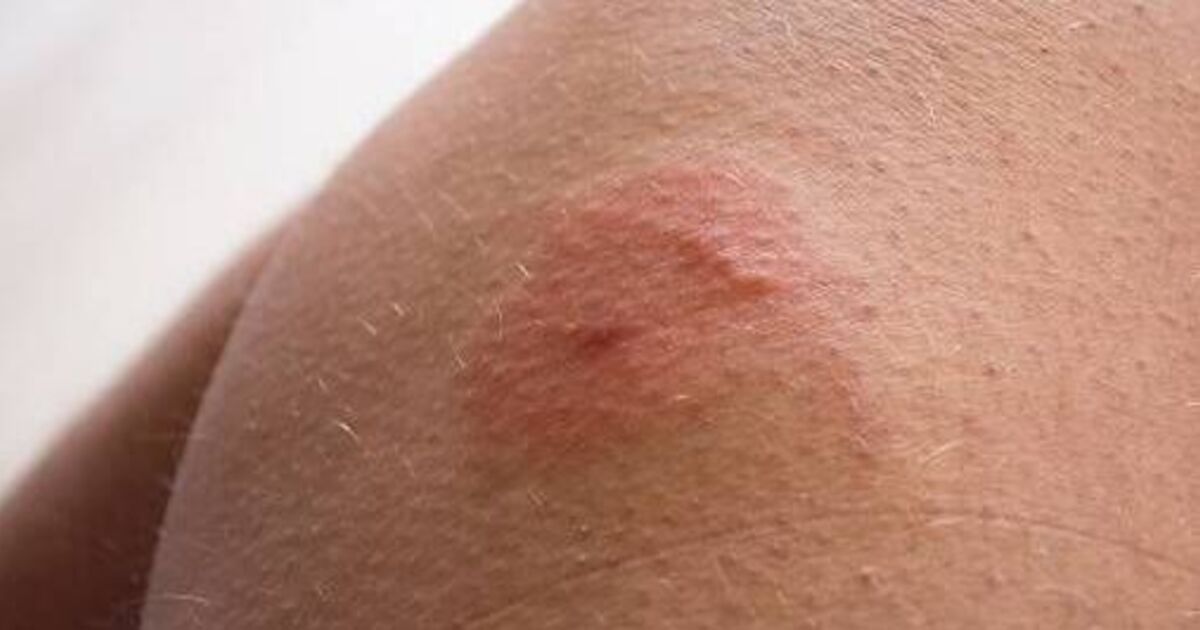
Horsefly bites are known for being particularly painful, often becoming red, itchy, and swollen within minutes.
If not treated fast, it can lead to a nasty infection. In fact, infected bites may ooze fluid and cause significant discomfort, with some individuals reporting symptoms such as fever, weakness, and nausea.
Anyone suspecting an infection is advised to contact their GP. In rare cases, horsefly bites can trigger serious allergic reactions.
Warning signs include dizziness, wheezing, difficulty breathing, a blotchy rash, or severe swelling of the lips or tongue.
Medical attention should be sought immediately if any of these symptoms occur.
What should I do if I’ve been bitten by a horsefly?
Keeping the bite clean is essential to prevent infection. Health experts advise washing the area thoroughly with antiseptic soap and warm water, followed by applying an ice pack to reduce itching and swelling.
Over-the-counter steroid creams containing hydrocortisone are commonly recommended to ease symptoms.
Ibuprofen gel may also be used to relieve pain and inflammation. However, resisting the urge to scratch is critical, as doing so can damage the skin and significantly increase the risk of infection.
The official NHS guidance advises: “A bite from a horsefly can be very painful and the bitten area of skin will usually be red and raised. Horsefly bites can take a while to heal and can become infected.
“See your GP if you have symptoms of an infection, such as pus or increasing pain, redness and swelling.”