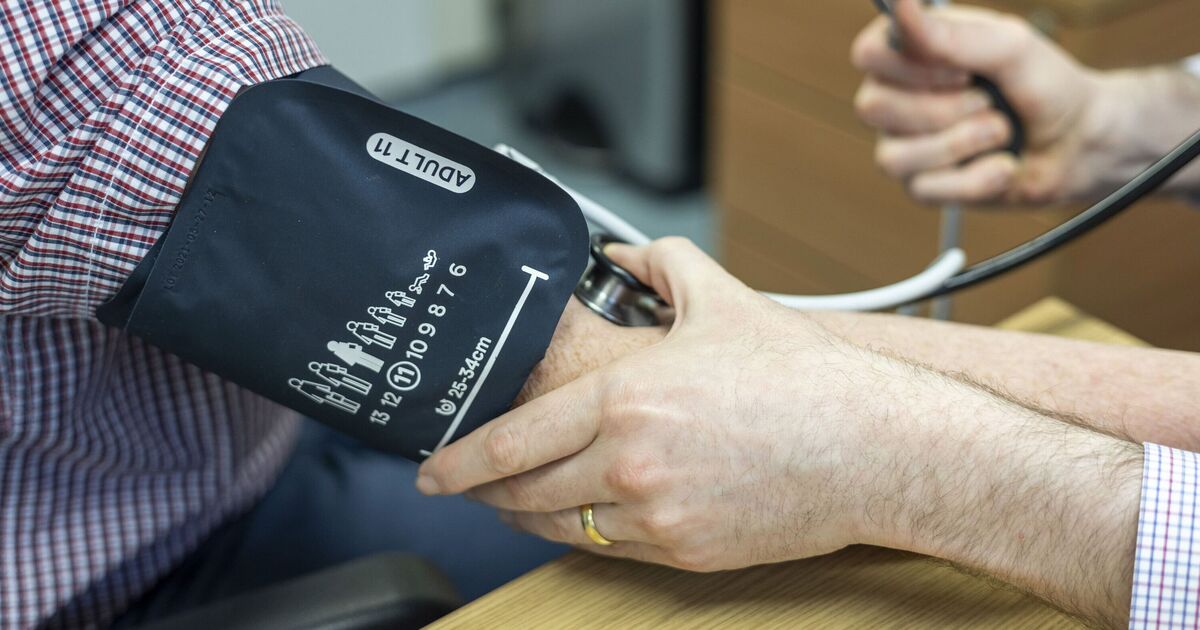

A recent study reveals that engaging in boxing training for six weeks can significantly lower blood pressure and enhance the function of blood vessels. The research involved young adults with stage 1 high blood pressure, who participated in an exercise program consisting of three weekly sessions. Each session included completing ten rounds of three minutes each on a heavy bag or using mitts, with one-minute breaks in between.
Participants who engaged in the boxing regimen experienced an average reduction of 16 mmHg in systolic blood pressure and a 10 mmHg decrease in diastolic pressure. According to researchers, these improvements are comparable to or even surpass those achieved through medication. Professor Alvaro Gurovich from the University of Texas at El Paso, a co-author of the study, stated, “Boxing training is not just an enjoyable workout; it can fundamentally alter the functioning of your blood vessels.”
“In just six weeks, our participants’ blood vessels became more flexible, more responsive, and were able to carry more blood, which directly correlates with a reduced risk of heart attacks and strokes,” he added.
He further emphasized, “For young individuals already heading toward hypertension, this could serve as a potent and sustainable alternative to lifelong medication.”
The study observed 24 young individuals, averaging 25 years of age, who were divided into groups for boxing sessions or flexibility and balance exercises on a similar schedule.
All participants had stage one hypertension, with blood pressure readings ranging from 130-139 mmHg systolic and 80-89 mmHg diastolic.
If left untreated, mild high blood pressure can progress and cause damage that increases the risk of serious problems such as heart attacks and strokes.
The researchers said future studies should examine whether the same benefits can be achieved in older populations.
Prof Gurovich added: “Hypertension is a primary contributor to heart disease, stroke and premature death, and many young adults who are in the early stages of the condition are not aware that they have it.
“These findings could reshape how clinicians approach one of the world’s most prevalent cardiovascular risk factors.”
The study was published in the peer-reviewed journal Sports.