
Share this @internewscast.com

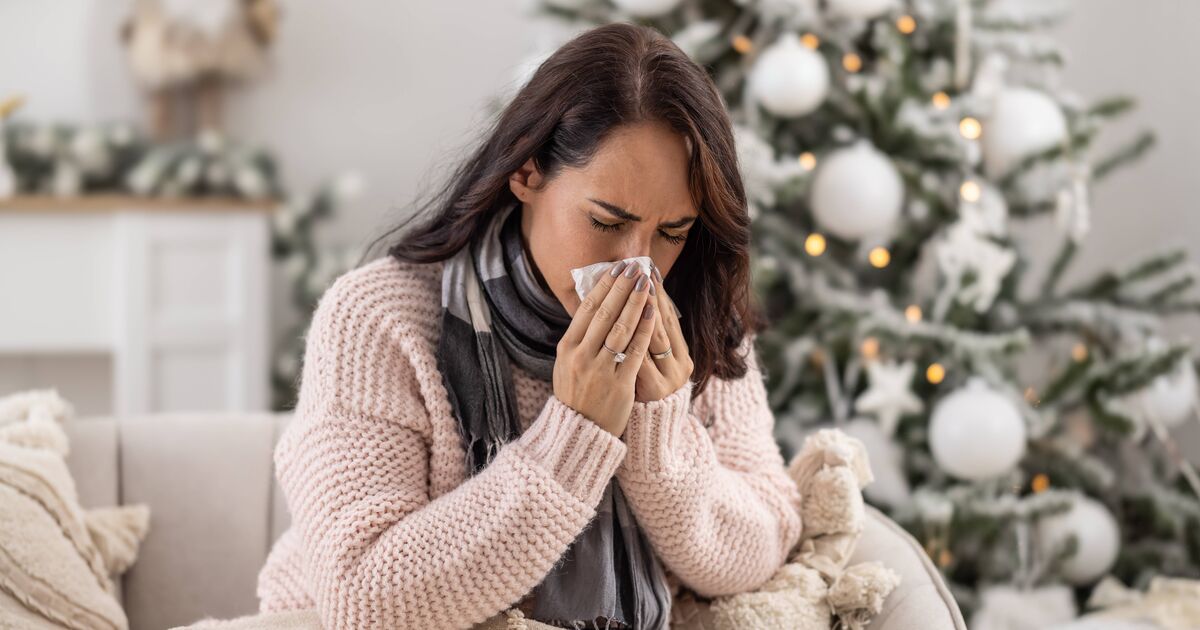
Britons risk leaving themselves vulnerable to flu over the Christmas period (Image: undefined)
Britons risk leaving themselves vulnerable to flu over the Christmas period, health experts have cautioned.
Health experts in the UK have issued a warning about the increased risk of flu infections during the Christmas season, urging people to take caution.
Medical authorities suggest that this year might witness one of the harshest flu seasons yet in the UK. Hospitals such as Queen Elizabeth near Selly Oak in Birmingham have already declared critical incidents, with some reinstating face mask mandates and restricting visitor access.
To mitigate the strain on hospitals, which are experiencing record-high flu-related bed occupancy for this time of year, experts encourage the public to take preventive measures. Pharmacist Deborah Grayson advises minimizing time spent in crowded places like shopping malls, workplaces, and holiday gatherings to reduce the risk of infection.
While flu vaccinations remain accessible, it’s important to note that they take approximately two weeks to become fully effective. Therefore, those getting vaccinated now will not be fully protected until around Christmas Eve.
The rise in flu cases is largely attributed to the H3N2 strain, specifically the subclade K, which has undergone seven mutations over the summer, making it highly contagious.
Deborah Grayson, also known as the “Godmother of Pharmacology” on TikTok, emphasized, “If you receive the vaccine today, don’t assume you’re protected in the next two weeks. Immune response times vary, so while some might gain partial protection sooner, complete immunity is not immediate.”
Read more: ‘Superflu’ map shows areas worst hit by ‘mutant strain’ sweeping the UK
Read more: Anger over calls for a return to face masks as ‘super flu’ hits UK
Use nasal spray
Ms Grayson recommends Vicks First Defence Nasal Spray (£8.35) as a potentially effective tool for warding off serious illness. She explained: “This is essentially a gloop – it’s a very thick liquid and when you squirt it up your nose it traps the virus and prevents it from entering the bloodstream.
“It coats the inside of your nose but it’s not going to provide 100 per cent protection as your nose is just one way for the virus to enter your body.
“When you get the first signs of cold or flu such as an itchy nose or scratchy throat, that’s the time to start using it. But I also think it’s worth using it if you’re likely to be exposed to the flu virus.
“If you’re working in a heavily populated workplace such as on a shop floor, or before going to a Christmas party, I’d use the spray beforehand to try to stop the virus entering your body.”
Check your Vitamin D levels
The pharmacist continued: Vitamin D and immunity are intrinsically linked. When your vitamin D levels are low, your immune system becomes compromised – not just in combating illnesses such as flu, but also in regulating mood and helping the body monitor abnormal cells.

Hands of an unrecognizable nurse or nursing assistant injecting female patient with flu vaccination campaign injection in a medical center to fight winter illnesses or infections (Image: Getty Images)
“We don’t obtain much vitamin D from food; most of it is produced through skin exposure to sunlight, and even in summer many people struggle to generate enough. During winter, the sun’s wavelength in the UK isn’t strong enough for the body to produce vitamin D at all, so levels often fall.
“NHS guidance recommends that everyone take at least 10 mcg of vitamin D over the winter months. But for those who are already deficient, this amount may be insufficient. The only reliable way to know your levels is to purchase a test-around £35-perform a finger-prick sample, and send it off for analysis. If you are found to be deficient, you may need a higher dose to restore healthy levels.”
Eat shellfish
Zinc, an essential mineral crucial for cell division, metabolism and immune function, can be vital in helping the body ward off colds and viruses, according to Ms Grayson.
“If you’re low in zinc, it can affect how effectively your immune system operates,” she explained. However, the nutritionist is sceptical about zinc nasal sprays, which purport to prevent viruses from latching onto nasal cells.
“I think they’re more of a gimmick. It’s far better to focus on your diet and increase your intake of zinc-rich foods.”

Woman coughing and suffering in medical mask inside the home bedroom, illness and fever concept, Measuring fever (Image: Getty Images)
Foods rich in zinc include oysters, red meat, crab, lobster and prawns, alongside pumpkin, hemp and sesame seeds, all of which deliver a substantial zinc boost.
Get more sleep
The festive season often involves late nights and alcohol-fuelled gatherings, which can potentially disrupt our immune system’s ability to ward off illnesses. Ms Grayson warned: “The biggest drain on the immune system is not getting enough sleep. If we don’t get enough sleep, our immune system is put under significant strain.”
She further explained that “Poor sleep is linked to higher rates of diabetes, cardiovascular disease, and even cancer, because the sleep hormone melatonin plays a key role in keeping abnormal cells in check.”
She added: “When you’re partying hard, drinking alcohol, eating poorly, and then sleeping badly-often made worse by the alcohol-it all contributes to that overall burden on the body. I’m not saying you should have a joyless Christmas, but keep in mind it’s only a few days, not the entire month of December.”
Ms Grayson also recommends a combination of mushrooms, antioxidants and propolis – a natural antimicrobial and antibacterial compound produced by bees.
She said: “I’m a fan of Unbeelievable Health’s Bee Prepared Max Strength Immune Formula. It includes medicinal mushrooms, antioxidant-rich acerola cherry and astaxanthin, olive leaf extract, black elderberry, and beta-glucans – a type of soluble fibre known to support immune cell activity,” She suggests taking one a day as a preventative measure to “help support your immune system and protect you against common colds and viruses.”
Then increase this to twice daily once cold or flu symptoms begin to appear. Ms Grayson added: “It helps your immune support mount the defence quicker and helps you shake it off.”