
Share this @internewscast.com
In an interview with the Daily Express, Dr. Azeem Majeed, who leads the Department of Primary Care & Public Health at Imperial College London, highlighted the current surge in flu cases. This spike is exerting extra pressure on healthcare services and is notably affecting seniors, young children, and individuals with pre-existing health issues.
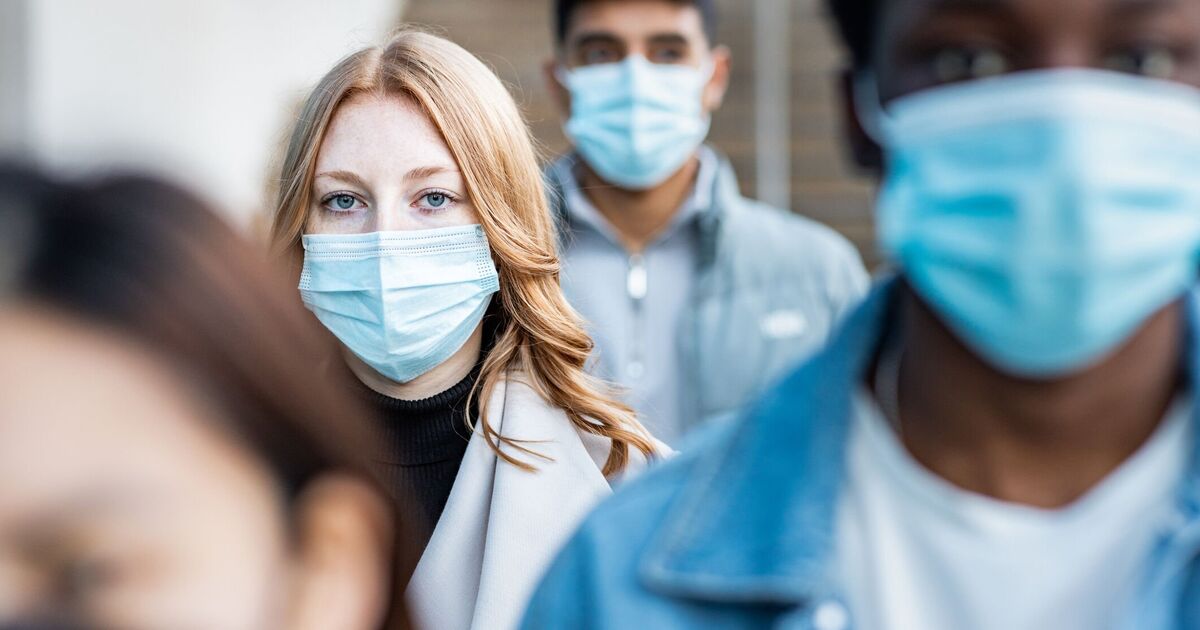
Dr. Majeed noted that wearing masks can help curb the spread of infections under certain circumstances. High-quality masks are particularly effective in reducing the transmission of respiratory viruses, such as influenza, in crowded, poorly ventilated indoor spaces or healthcare environments. For those who are clinically vulnerable or caring for such individuals, using masks during times of intense flu activity can provide an additional layer of defense.
He emphasized that masks are most beneficial when combined with other protective strategies like getting vaccinated, ensuring good ventilation, staying home when feeling ill, and practicing proper hand hygiene. While it’s unlikely that mask mandates will be reinstated across the population, strategically using masks during peak flu seasons is a sensible approach to help mitigate the virus’s spread.
Currently, the NHS is operating at near-full capacity, with 92% of adult hospital beds occupied, which marks a 5% increase from the previous week.
The UK Health Security Agency (UKHSA) has reminded the public that in certain scenarios, masks still serve as a valuable tool for limiting the transmission of respiratory viruses.
Wearing a snug-fitting mask when feeling unwell can significantly decrease the number of virus-laden particles emitted from the mouth and nose, thereby reducing the risk of spreading a respiratory infection.
Face coverings can also protect the person wearing them from contracting other respiratory viruses.
Some hospitals are now introducing temporary mask requirements in response to the rising number of cases. Gloucestershire Hospitals, for example, is asking patients and relatives to wear surgical masks in all “direct assessment areas”.
Masks are available at the entrances, and patients who are unable to wear one are advised to inform the staff. Inpatients with confirmed or suspected flu or COVID-19 will also be offered a mask, and anyone with symptoms is asked not to visit patients.
These measures are designed to protect staff, patients, and visitors during the current surge and will be updated when infection rates decline.
Health and Social Care Secretary Wes Streeting said: “Today’s data shows we are not out of the woods yet. While the NHS is better prepared and performing more strongly than this time last year thanks to the tireless work of staff, the current cold snap is putting fresh pressure on frontline services.
“Flu can be serious, particularly for older people, young children, and those with underlying conditions, and vaccination remains the best protection. I urge everyone who is eligible to get their flu jab as soon as possible. By acting now, we can help keep people out of hospital, support our NHS staff through the toughest weeks of winter, and ensure emergency care is there for those who need it most.”
The H3N2 strain, also known as subclade K or the “super flu,” mutated seven times over the summer, allowing it to evade previous immunity. Early fears suggested hospital cases could rise five times higher than average, although current figures show admissions are similar to previous years.
Since September, millions of eligible people have been urged to receive both flu and Covid vaccines. Free flu vaccinations are available to those over 65, pregnant women, care home residents and carers, and anyone with long-term health conditions.
Children aged 2–17 are also eligible, typically through a nasal spray, with GPs offering it to two- and three-year-olds. More than 18.6 million vaccines have been administered in England so far.