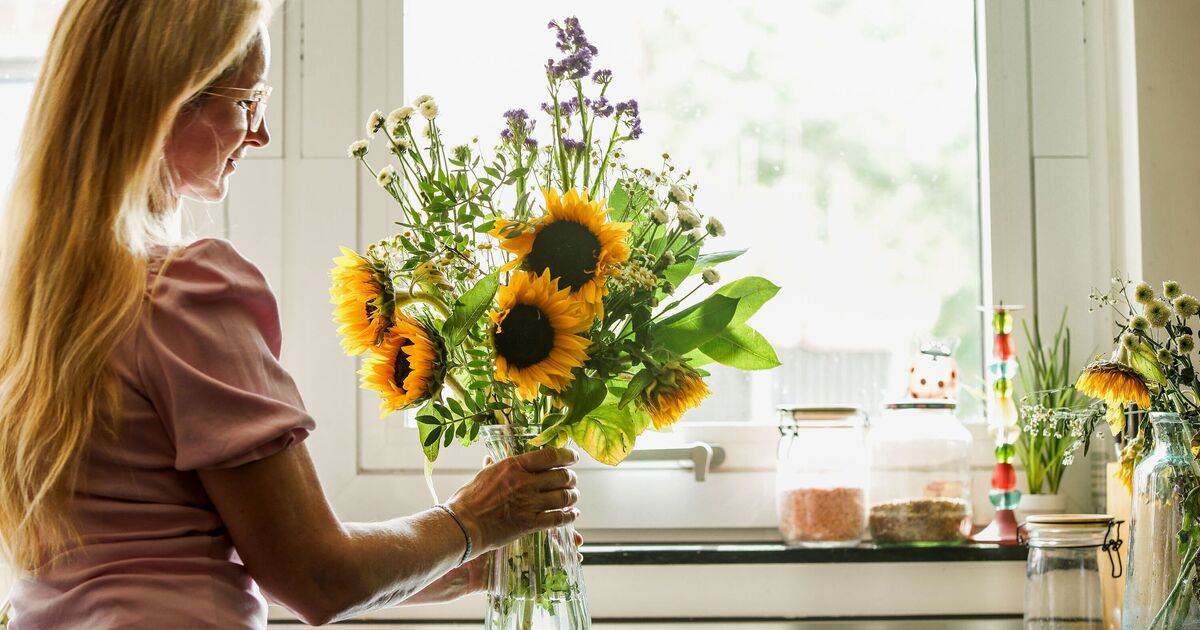

Fresh flowers can brighten up a room, but they may also be a problem for hay fever sufferers. Some varieties produce high volumes of fine, airborne pollen, while others have exposed centres that shed pollen easily, potentially setting off symptoms such as sneezing, coughing, a blocked or runny nose, and itchy, red or watery eyes.
The UK is now experiencing the height of the grass pollen season while also moving into the early stages of weed pollen season. With pollen counts expected to remain high across much of the country next week, the Met Office is urging people to take additional steps to reduce exposure, including clearing flowers from inside the home.
According to the weather service’s five-day pollen outlook, levels are set to climb across the UK, with Wednesday forecast to bring the highest counts nationwide.
Very high pollen levels are expected in the Midlands and the South East of England, including London. High counts are also forecast for the rest of England, Northern Ireland, and the Dumfries, Galloway, Lothian and Borders region.
From today, pollen counts are generally expected to be high, although some parts of the country are predicted to see low or medium levels. By Wednesday, however, only a handful of areas in Scotland are likely to remain at moderate levels.
As a result, the Met Office has advised people in the UK to “avoid keeping flowers in the house” during periods of high pollen in a bid to help limit hay fever symptoms.
The agency also said hay fever is best managed with “preventative treatments designed to work in the early stages of hay fever”, including antihistamines, which help by blocking the effects of histamines that trigger flare-ups.
Antihistamine tablets can take up to an hour to work. By contrast, allergen barrier nasal sprays and gels act directly inside the nose and can start working within minutes, helping to stop allergens from entering the nasal passages.
The second stage is defence, and that is understanding that the longer you are exposed to the allergen, the worse your symptoms become, and that’s when you take action to minimise the symptoms, such as removing indoor flowers, not drying clothes outdoors, and closing windows at night.


