
Share this @internewscast.com
Detecting high blood pressure is often more challenging than it seems. While symptoms such as blurred vision, chest pain, and headaches can sometimes occur, they’re not very common. Most individuals with elevated blood pressure experience no noticeable signs, making routine health check-ups crucial for early detection.
The NHS points out that high blood pressure is especially widespread among the elderly and lists eight main risk factors that could heighten your chances of developing the condition, even if you aren’t showing any symptoms.
- Your age – you’re more likely to get high blood pressure as you get older
- Having close relatives with high blood pressure
- Your ethnicity – you’re at higher risk if you have a Black African, Black Caribbean or South Asian ethnic background
- Having an unhealthy diet – especially a diet that’s high in salt
- Being overweight
- Smoking
- Drinking too much alcohol
- Feeling stressed over a long period
The NHS website states, “High blood pressure, or hypertension, can lead to critical health issues like heart attacks or strokes. However, adopting lifestyle changes and taking prescribed medications can help maintain good health.”
Individuals who suspect they may have high blood pressure or are at risk should consider having their blood pressure checked at their local pharmacy or GP surgery. It’s also recommended for anyone over 40 who hasn’t had a blood pressure assessment in the last five years to schedule a test.
The NHS suggests reaching out to NHS 111 if you frequently experience headaches, blurred vision, or occasional chest pain, as these might be signs of high blood pressure. In dire situations where these symptoms might indicate a heart attack, calling 999 is imperative.
- You get sudden pain or discomfort in your chest that does not go away – the pain can feel like squeezing or pressure inside your chest, burning or indigestion
- You get pain that spreads to your left or right arm, or your neck, jaw, stomach or back
- You have chest pain, and you feel sweaty, sick, lightheaded, or short of breath
For further details, visit the NHS website here.
Who is eligible for pharmacy blood pressure checks in England?
Selected pharmacies throughout England provide complimentary blood pressure tests to qualifying people. This service is designed for people aged 40 and over residing in England who are unaware that they have elevated blood pressure.
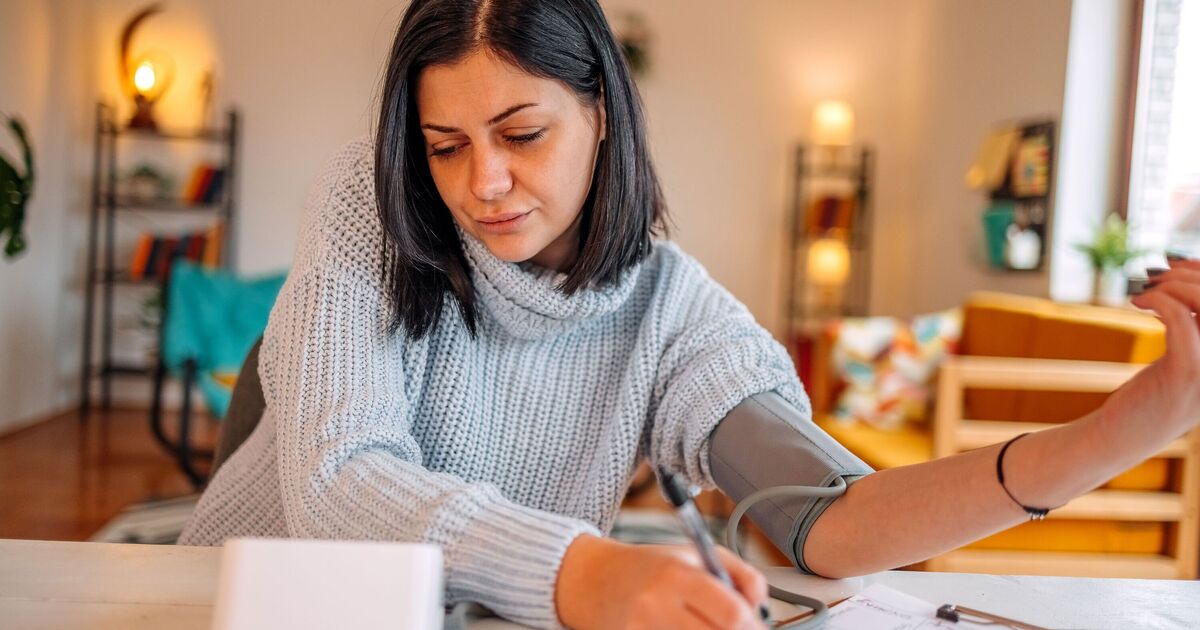
Those who already know they have high blood pressure or have had their levels monitored within the previous six months will not be eligible for this service. Similar to a standard blood pressure examination, these appointments typically involve a pharmacist or healthcare assistant placing a cuff around your upper arm to obtain a reading.
Based on the outcome, you might be advised to consult your GP, issued guidance on maintaining a healthy lifestyle, or given a monitoring device to use at home before a follow-up visit.
What constitutes an elevated blood pressure reading?
Blood pressure measurements consist of two figures, with the first figure greater than the second. For people below 80 years of age, a reading is usually deemed elevated if it reaches:
- 140/90 or higher when checked by a healthcare professional
- 135/85 or higher when checked at home
For people aged 80 and above, a blood pressure reading is generally considered high if it is: