

What to Know:
-
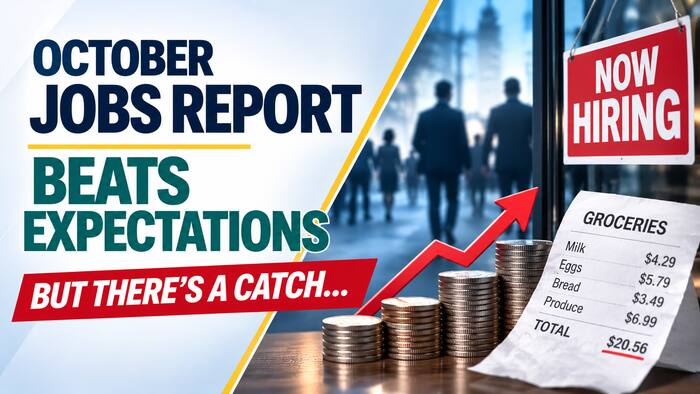
Hiring beat expectations: U.S. employers added 165,000 jobs in October, while the unemployment rate declined to 4.1%.
-
Inflation is outpacing pay: average hourly earnings rose 3.1% over the past year, compared with a 3.7% annual inflation rate.
-
Schlesinger advises workers to build an emergency fund that can cover six months of expenses if they lose their jobs.
ORLANDO, Fla. – The U.S. labor market delivered a stronger-than-expected performance in October, providing fresh evidence that the economy remains resilient. Yet the jobs report also underscored a growing concern for households dealing with elevated prices: Paychecks are still failing to keep pace with inflation.
The U.S. Bureau of Labor Statistics reported that employers added 165,000 jobs last month, well above economists’ forecast of approximately 60,000. The unemployment rate slipped to 4.1% from 4.2% in September. The government also revised its August and September employment totals higher, adding 84,000 jobs to the combined figures previously reported.
Despite the labor market’s continued stability, workers are contending with a separate financial strain. Average hourly earnings climbed 3.1% in the year through October, below the latest 3.7% annual inflation rate. That gap means household income is not stretching as far as it once did, putting more pressure on family budgets.
CBS News Business Analyst Jill Schlesinger described the report as a combination of encouraging job numbers and disappointing wage growth. Below is the full transcript of her conversation earlier in the day.
WKMG-TV: The employment report is one of the most closely followed measures of the economy, and the government released the October numbers earlier today. CBS News Business Analyst Jill Schlesinger joins us to explain what they mean.
Jill, what stood out in the report?
Jill Schlesinger: The results were stronger than expected. The economy added 165,000 jobs, compared with forecasts of about 60,000. The prior two months were also revised upward, bringing the average monthly job gain this year to roughly 86,000.
The unemployment rate also moved down to 4.1%. It has remained below 4.5% for nearly five years, marking the longest period at that level in roughly eight decades.
WKMG-TV: Affordability was a major issue during the midterm elections as consumers faced higher prices. Have wages managed to keep up?
Jill Schlesinger: That is where the less encouraging news comes in. Average hourly earnings increased 3.1% from a year earlier. That would normally sound positive, but it remains below the current 3.7% inflation rate. Wages have therefore lagged behind inflation for a little more than a year.
That helps explain the frustration many American households are expressing. People may have jobs and steady income, but their paychecks are not rising as quickly as the prices they encounter every day.
WKMG-TV: The jobs numbers are encouraging, but what steps can people take if they are concerned about a potential job loss?
Jill Schlesinger: If you have not reviewed your budget recently, start by determining exactly how much your household spends each month.
Although the employment data point to a relatively healthy labor market, they also show that finding a new position can take about six months. Your emergency savings should be able to cover expenses for that entire period. If it cannot, making that fund a priority is important.
Temporarily directing more money toward emergency savings and less toward retirement contributions may make sense until you have built a six-month cushion. Anyone carrying high-interest debt should also consider paying it down while employment income remains steady.
It is also wise to update your résumé and LinkedIn profile before you need them. Those tasks are much easier to handle while you still have a regular paycheck.
WKMG-TV: As always, excellent advice. Thank you, Jill. You can watch Jill regularly on CBS Mornings and the CBS Evening News. Visit JillOnMoney.com. for more financial analysis.


