
Share this @internewscast.com
HONOLULU – Hawaii Governor Josh Green announced on Friday that U.S. authorities have approved an extension of housing support for those affected by the devastating wildfires in 2023.
Close to 1,000 families who lost their homes were anxiously awaiting news on whether federal aid, which currently helps them afford housing, would be extended. Without it, they faced the daunting prospect of securing alternative accommodations or shouldering increased rental costs in one of America’s most competitive and costly rental markets.
Governor Green revealed in a press release that Kristi Noem, Secretary of the U.S. Department of Homeland Security, granted Hawaii’s appeal to prolong the Federal Emergency Management Agency’s temporary housing aid for those impacted by the Maui wildfires until February 2027.
Confirmation from FEMA regarding this extension was not immediately available.
With the announcement, relief washed over many, including Kukui Keahi, a survivor of the Lahaina fire and associate director of Kako’o Maui Programs at the nonprofit Hawaiian Council. “It lifted a weight I did not even realize I was carrying, and I know many other families were carrying that same weight too,” Keahi expressed.
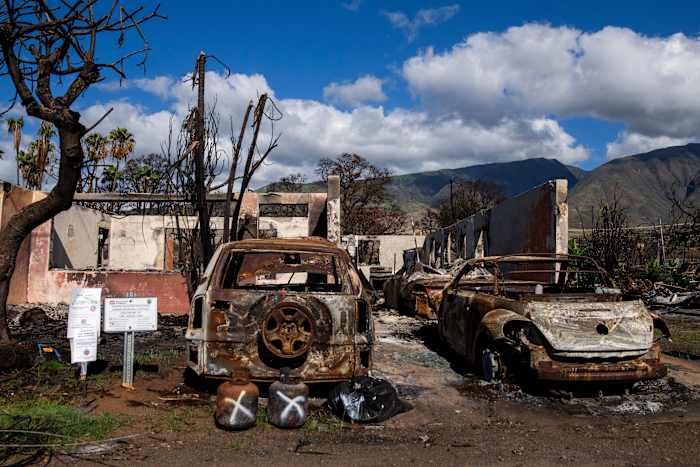
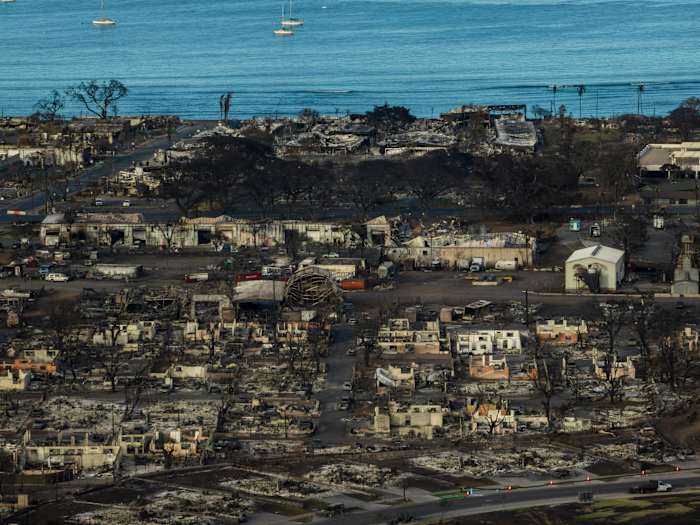
The fires in Lahaina and the upcountry Kula region of Maui led to the destruction of 2,200 buildings and claimed 102 lives. In response, then-President Joe Biden declared a major disaster, permitting FEMA to assist 12,000 displaced individuals, of whom 89% were renters at the time. Initially, the program was set to run for 18 months, but the administration later extended it to February 2026.
But with few homes rebuilt and rental inventory nearing zero, the state requested another extension in May.
“Recovery doesn’t follow an artificial deadline and I appreciate Secretary Noem and the administration for recognizing the reality families are still facing on the ground here in Hawai‘i,” Green said.
While megafires in other states have destroyed more homes, Maui’s fires created a unique crisis. Limited housing stock and the island’s remote location from the mainland U.S. made relocating survivors and rebuilding exceptionally difficult.
FEMA, the state, county, and nonprofits all scrambled to find solutions to house the displaced, most of whom were desperate to stay near Lahaina to be close to work, schools and the community.
After working with the Red Cross to house 8,000 residents in hotels and other temporary shelters in the initial weeks, FEMA slowly transitioned families to other forms of housing assistance.
It offered money for rent, installed temporary shelters on burned properties, and leased thousands of units itself to rent back to survivors, though some complained of burdensome eligibility requirements and having to move several times.
Steven Hew had not heard about FEMA’s decision until The Associated Press contacted him. The 52-year-old restaurant cashier rents a subsidized apartment from FEMA after the fire burned down his family’s multigenerational home in Lahaina.
Hew was “shaking” after hearing the news. “A lot of people were on edge and scared and didn’t know what they were going to do,” if the assistance was not extended, he said.
“Somebody had a heart and just said ‘Yes,’ and whoever that person was, I thank them,” said Hew.
He plans to save enough money over the next year to rent a place on his own.
__
Aoun Angueira reported from San Diego, California.
Copyright 2026 The Associated Press. All rights reserved. This material may not be published, broadcast, rewritten or redistributed without permission.