
Share this @internewscast.com
RALEIGH, N.C. – Seeking an escape from global tensions and soaring gas prices, Claire Jefferies dedicated two hours to immersing herself in nature through a practice known as forest bathing.
Surrounded by the serene beauty of oaks and blooming magnolias at the J.C. Raulston Arboretum in Raleigh, North Carolina, Jefferies, who works in human resources, described the experience as a protective bubble. “It provides a shield,” she said, finding solace in the natural environment.
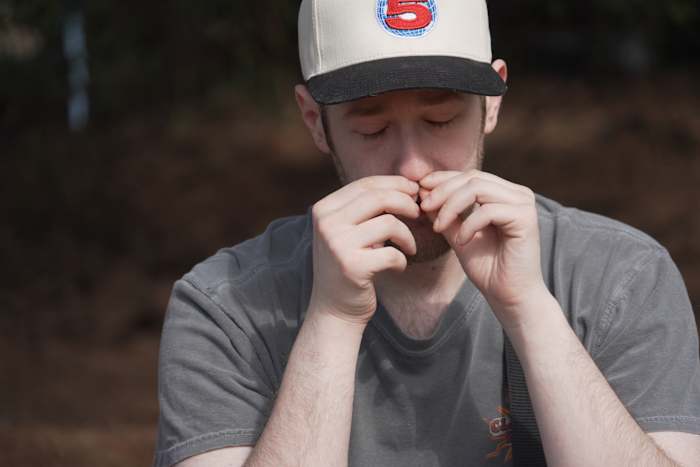
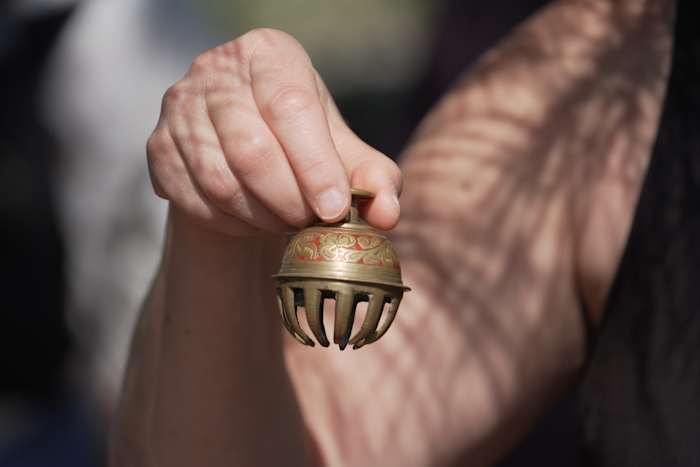
The Sunday morning gathering was overseen by Shawn Ramsey, a certified forest therapy guide. With the gentle sound of a small brass bell, Ramsey invited her group to engage in meditation, breathing exercises, and a deeper connection with their surroundings.
“For the next 10 minutes, I encourage you to explore this area,” she instructed, eyes gently closed. “Focus on your breath, your footsteps, the chorus of natural sounds, and even the manmade ones. Contemplate the forest’s rhythm and our place within this urban yet forested setting.”
Rooted in the Japanese tradition of Shinrin-yoku, or “forest bathing,” this practice is celebrated for its ability to alleviate stress, enhance mood, lower blood pressure, and strengthen the immune system.
Despite the arboretum’s location in a bustling city, Ramsey emphasized that the advantages of disconnecting from daily distractions and reconnecting with nature remain impactful. She guided the group through various gardens, inviting them to crush conifer twigs between their fingers, inhale their scent, and touch the trees, fostering a deeper connection with the natural world.
“You know, in this day and age, there’s a lot of stress and anxiety and chaos,” she said. “And people are searching for ways to kind of cope with that.”
Transportation safety researcher Alan Mintz came with a friend. He had to be reminded to leave the talk of news at the entrance.
“I think it’s important for people to take the opportunity to exist in natural spaces, both to unwind and relax, so that it can be easier to interact with other people,” he said as he stood in the dappled light filtering through the trees. “And to take a moment to appreciate beautiful things. That way, hopefully, they can carry that forward and have more of an appreciation for other people and other cultures that they might be less experienced with.”
Jefferies had to remind a friend to stop talking about news as they walked beneath the gently waving canopy.,
“That focus back into spending time in nature and the healing power of that, and just remembering that we’re part of something bigger, that we’re all connected,” said the mother of a 9-year-old son. “And that what we do in our actions that we take really matter to the rest of the world. And so there’s no better place to see that than here, where you can see all of the interconnectedness and the ways that this plant life naturally supports one another. Doesn’t take more than they need.”
Copyright 2026 The Associated Press. All rights reserved. This material may not be published, broadcast, rewritten or redistributed without permission.