
Share this @internewscast.com

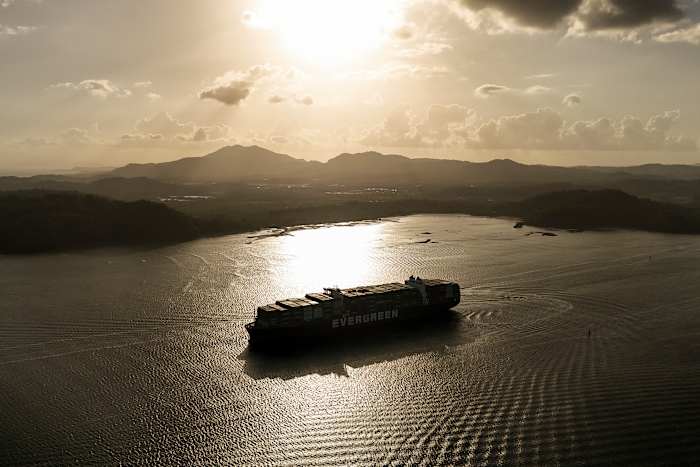
PANAMA CITY – In light of recent geopolitical tensions and surging fuel prices, the Panama Canal may find itself in a position of increased strategic importance. According to Ricaurte Vásquez, the Canal’s Administrator, the ongoing conflict in the Middle East coupled with escalating fuel costs could prompt global shipping routes to realign, making the interoceanic passage more appealing for commercial traffic.
During a conversation with The Associated Press, Vásquez highlighted that the rising costs of energy and marine fuel might steer more shipping companies toward the Panama Canal as a preferred route. “Whenever the cost of marine fuel spikes, the Panama Canal becomes a significantly more attractive option,” he explained.
The backdrop to these potential shifts is the recent surge in oil prices, driven by the tumult in the Middle East. This has notably included Iran’s temporary closure of the Strait of Hormuz—a critical chokepoint through which approximately 20% of the world’s oil supply flows—following military actions involving the United States and Israel.
With these higher energy costs, Vásquez suggests that rerouting through the Panama Canal could substantially reduce travel time, cutting voyages by anywhere from three to fifteen days depending on the specific route. This, in turn, could lead to considerable savings in fuel consumption for shipping companies.
The impact of these shifts is likely to be felt across various shipping sectors, including container ships, bulk carriers, and especially tankers transporting liquefied natural gas (LNG). Should the Middle East’s supply disruptions persist, alternative sources, such as the United States, might step up, potentially redirecting LNG shipments from European to Asian markets via the Panama Canal, Vásquez noted.
Vásquez said higher fuel costs are expected to affect container ships, bulk carriers and tankers transporting liquefied natural gas. If Middle Eastern supplies are disrupted, shipments may be replaced by other sources, including the United States, which could redirect some LNG cargo from Europe to Asia via Panama.
Gerardo Bósquez, an executive with the Panama Maritime Chamber, said a prolonged conflict could reshape global trade routes, with gas transport among the segments likely to benefit.
Vásquez cautioned that any changes will not be immediate and will depend on how long cargo operators expect the conflict and instability in the Gulf last.
Copyright 2026 The Associated Press. All rights reserved. This material may not be published, broadcast, rewritten or redistributed without permission.