
Saudi Arabia reopened its main airport to international flights more than two weeks after deadly strikes by Yemen’s Iranian-backed Houthi rebels forced the facility to close. Earlier Sunday, the kingdom said it had intercepted and destroyed a ballistic missile and a drone launched by the Houthis.
Meanwhile, a major Israeli military operation in the occupied West Bank displaced hundreds of Palestinians and imposed sweeping restrictions on movement over the weekend. The campaign followed a Friday attack in Hebron that killed two Israeli soldiers and wounded three others.
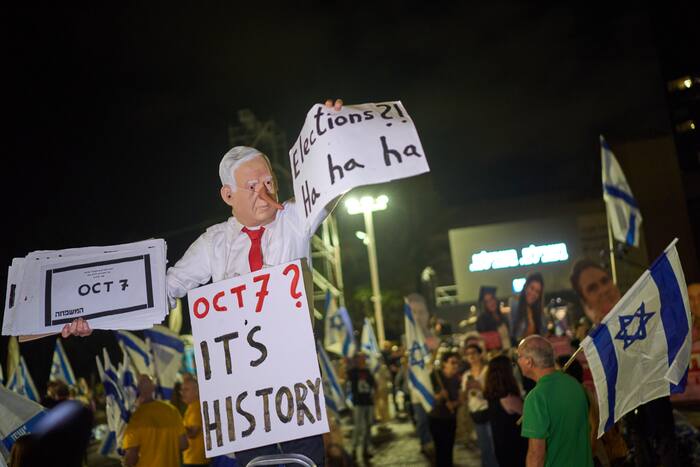
The escalation comes just days before Israel’s tense election on Tuesday. The vote is widely viewed as a referendum on Prime Minister Benjamin Netanyahu’s management of the wars and Israel’s sharp turn to the right at home and abroad.
Here are the latest developments from the Middle East on Sunday. Read our full coverage here.
Riyadh reopens international airport as Houthi attacks continue
King Khalid International Airport said terminals 1 and 2 reopened for both domestic and international flights beginning Sunday.
The announcement came as Iran-backed Houthi forces in Yemen continued launching drones and missiles toward the Saudi capital.
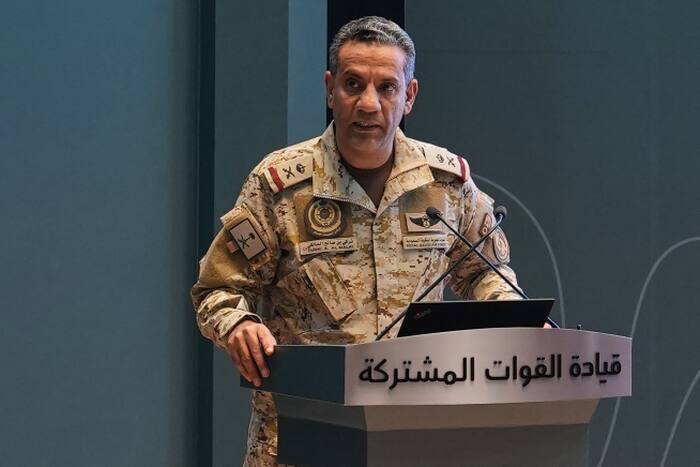
Saudi military spokesman Maj. Gen. Turki al-Malki said forces intercepted and destroyed a Houthi ballistic missile and drone early Sunday.
In early October, Houthi strikes hit a complex containing two other terminals, killing 17 people and injuring more than 330.
Riyadh’s airport resumed limited domestic service last week.
Israeli military launches large West Bank operation ahead of election
The Israeli military conducted a sweeping operation across the occupied West Bank over the weekend, displacing hundreds of Palestinians and significantly restricting movement.
The campaign followed Friday’s attack in the West Bank city of Hebron, where two Israeli soldiers were killed and three others were wounded.
The operation unfolded during the final days before Israel’s tense election, the first since the Hamas-led attacks of 2023 and the wars that followed across the region.
The election is broadly seen as a judgment on Prime Minister Benjamin Netanyahu’s leadership and security policies during three years of war.
The Israeli military said early Sunday that most Palestinian workers holding permits would be barred from entering Israeli communities in the occupied West Bank for work on Sunday and Monday. Several crossings will also remain closed until after Tuesday’s election.
Tens of thousands of Israelis living abroad expected to return for pivotal election
The AID Coalition, a U.S.-based nonprofit that works to strengthen Israel’s democracy, said tens of thousands of Israelis living overseas are expected to return home to vote.
Israeli law generally requires citizens to vote in person inside the country, with limited exceptions for diplomats and certain official representatives serving abroad.
Israel has more than 7.3 million registered voters, yet opinion polls indicate a closely contested race. Previous elections have been decided by narrow margins. The impact of voters returning from abroad remains uncertain, though many liberal Israelis who oppose Netanyahu have left the country in recent years, suggesting that at least some of those coming back to vote may not support him.
___
This report will be updated throughout the day as new developments emerge.