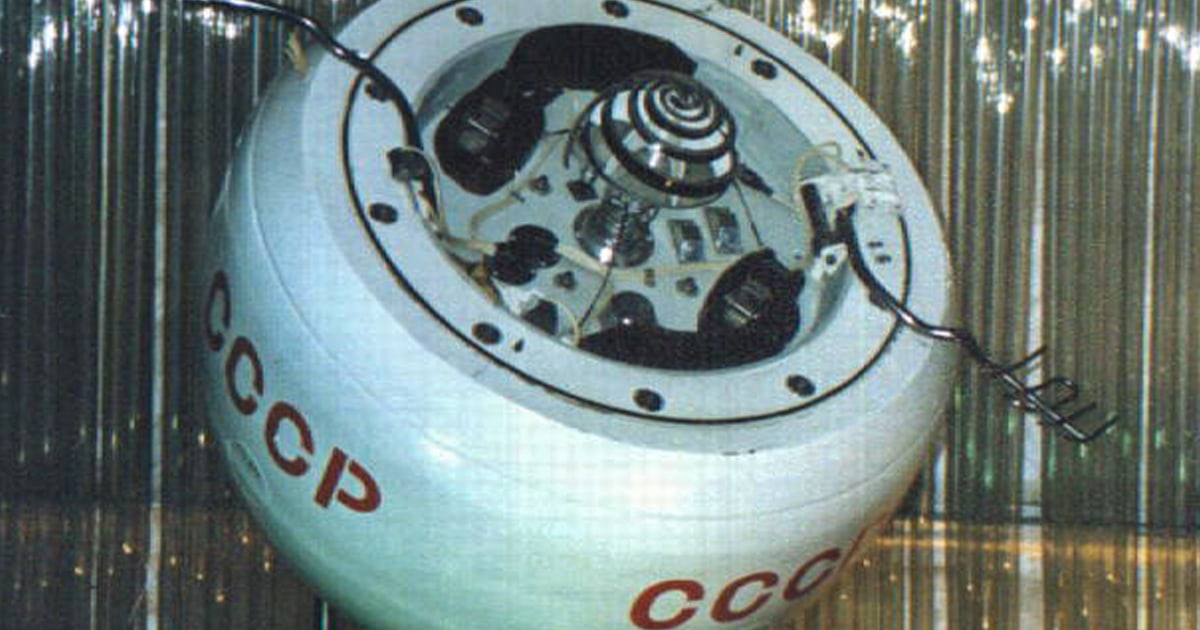

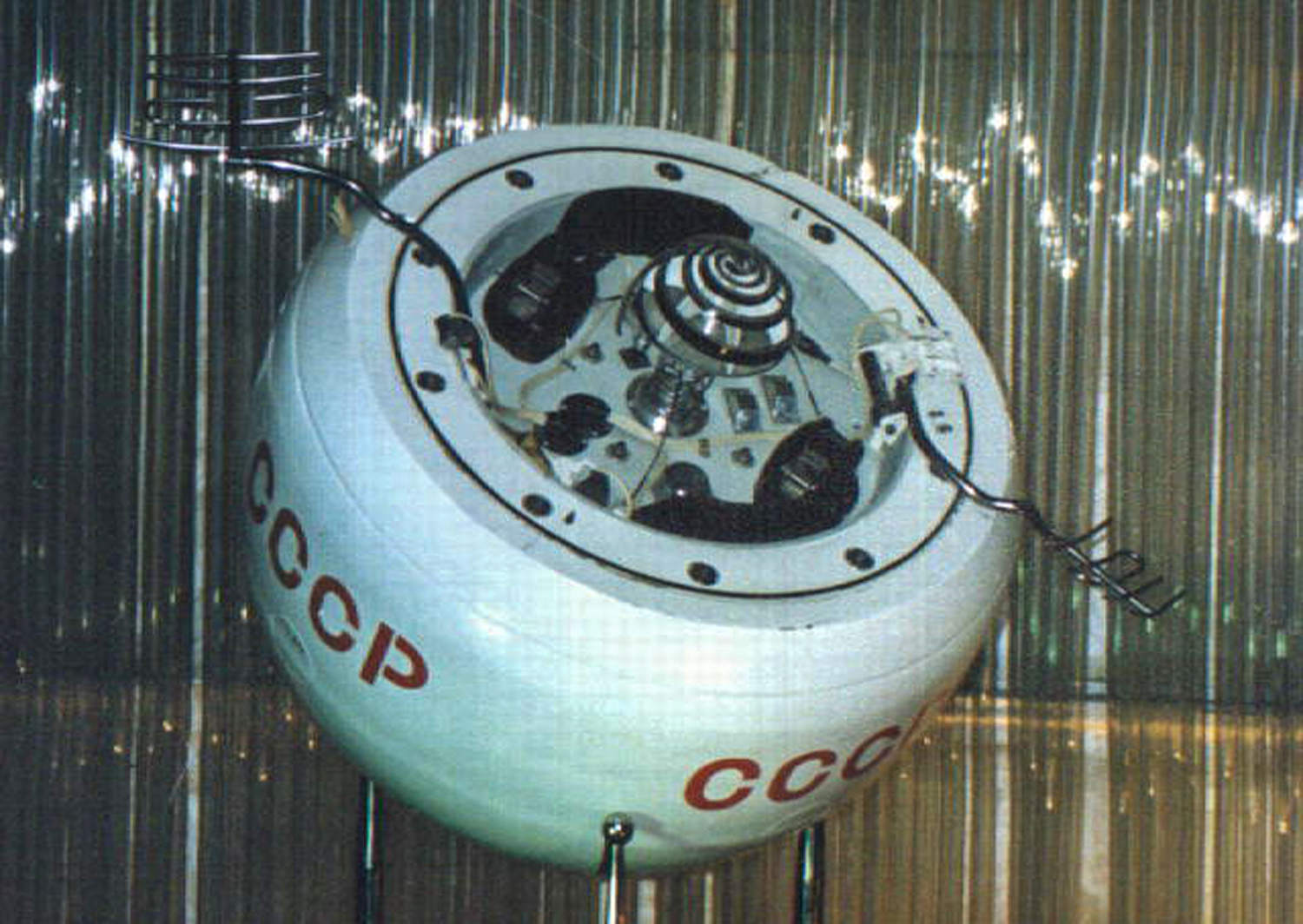
A Soviet spacecraft launched in 1972 on a failed mission to Venus is believed to have crashed back onto Earth early on Saturday morning.
The European Space Agency, tasked with tracking the spacecraft’s uncontrolled fall, reported that its last radar detection of the craft was over Germany. By the expected crash time, radar had lost track of Kosmos 482, leading to the conclusion that “reentry is most likely to have already happened.”
No injuries or damage have been reported.
Kosmos 482 was a part of the USSR’s Venera program, a mission series aimed at exploring Venus. Out of these missions, ten successfully reached and landed on the scorched, desolate planet. However, the launch of Kosmos 482 faced a malfunction, trapping the upper stage carrying the descent module in Earth’s orbit.
For fifty-three years, the nearly three-foot wide, 1,069-pound spacecraft continued to revolve around Earth in a shrinking elliptical orbit until it finally descended into the planet’s atmosphere.
It’s not unusual for space junk to fall back to earth. More than 2,400 human-made objects fell from space in 2022, a record number, according to ESA. The vast majority of them burned up in Earth’s atmosphere, and most of those that didn’t splashed into an ocean.
But Kosmos 482 was built to withstand a descent through Venus’ dense atmosphere, and to operate on the planet’s surface, where the mean temperature is 867 degrees Fahrenheit (464 C). That meant it was theoretically hardy enough to survive a comparatively easy re-entry through Earth’s atmosphere.
There’s no record of space debris ever causing a human fatality. “The risk of any satellite reentry causing injury is extremely remote,” ESA officials wrote in a blog post about Kosmos-482. “The annual risk of an individual human being injured by space debris is under 1 in 100 billion. In comparison, a person is about 65,000 times more likely to be struck by lightning.”
On Friday, the U.S. Space Force forecasted that the spacecraft would re-enter the atmosphere at 1:52 a.m. ET on Saturday morning above the Pacific Ocean, west of Guam.