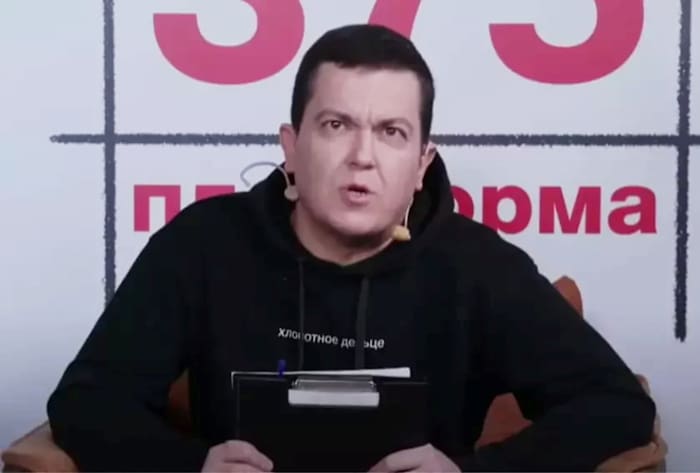


TALLINN — The troubling health condition of Belarusian journalist Kiryl Pazniak has sparked urgent calls from his family and media rights advocates for his immediate release from prison. Pazniak’s relatives report that his condition has deteriorated significantly while in custody.
Detained since September on charges of extremism—an accusation often wielded by Belarusian authorities to quash dissent—Pazniak, aged 49, faces a potential seven-year prison term. Known for hosting a widely-followed YouTube program, his arrest has drawn international attention and concern.
His daughter, aged 20, is also facing extremism charges. Both have been recognized as political prisoners by human rights organizations, underscoring the broader crackdown on freedom of expression in Belarus.
Elena, Pazniak’s former wife, revealed that he is battling pneumonia and COVID-19, currently languishing in a prison hospital under severe conditions. She claims that inadequate medical care is being provided, putting his life at severe risk.
Despite the gravity of these allegations, Belarusian officials have yet to comment on Pazniak’s health or the accusations regarding his treatment. His deteriorating condition only amplifies the urgent plea for his release.
“Freedom of speech in Belarus demands a high price,” stated Andrei Bastunets, the head of the Belarusian Association of Journalists. “With 21 journalists imprisoned, including Pazniak, they are sacrificing their health and futures. Belarus has become Europe’s black hole, leading the continent in the number of journalists detained.”
Belarus’ authoritarian president, Alexander Lukashenko, has governed the nation of 9.5 million with an iron fist for more than three decades, and the country has been sanctioned repeatedly by Western nations — both for its crackdown on human rights and for allowing Moscow to use its territory in the full-scale invasion of Ukraine, which began on Feb. 24, 2022.
Lukashenko’s government was challenged after a 2020 presidential election, when hundreds of thousands took to the streets to protest a vote they viewed as rigged. In an ensuing crackdown, tens of thousands were detained, with many beaten by police. Prominent opposition figures fled the country or were imprisoned.
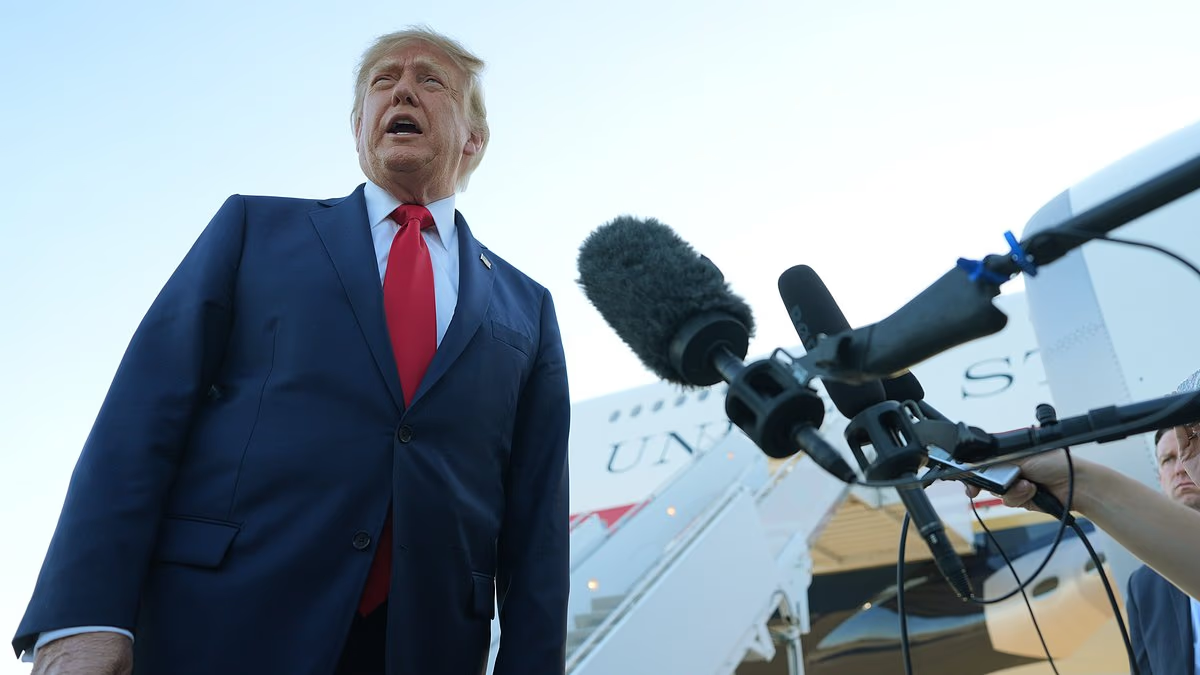
Since U.S. President Donald Trump returned to the White House in January 2025, Lukashenko has released hundreds of political prisoners as part of American-brokered deals that lifted some U.S. sanctions, part of the isolated leader’s efforts to improve ties with the West.
Human rights groups say, however, that Belarusian authorities have continued their crackdown on dissent. Belarus still has 841 political prisoners, according to the Viasna human rights center.