
Share this @internewscast.com
Airlines are on track to save millions in fuel expenses due to passengers losing weight with the help of weight-loss injections, a recent report suggests.
According to an analysis by Jefferies, reported by CBS, leading airlines are projected to save up to $580 million this year in fuel costs. This reduction is attributed to passengers using GLP-1 drugs like Ozempic and Wegovy, which have contributed to their weight loss.
Originally developed to treat type 2 diabetes, GLP-1 medications have gained popularity for their effectiveness in aiding weight loss.
Airlines such as Delta and United could see a 1.5 percent reduction in fuel costs if passengers reduce their body weight by 10 percent. This decrease in weight could also enhance the companies’ earnings by 4 percent per share.
The weight of an aircraft, which includes passengers, luggage, and other cargo, has a direct impact on how much airlines spend on fuel.
The study highlighted the Boeing 737 Max 8 as an example to illustrate the potential savings that could be achieved.
The empty plane weighs 99,000 lbs, can carry 46,000 lbs of fuel, an additional 4,000 lbs of cargo, and seats 178 passengers.
If those passengers weigh an average of 180 lbs, the total weight would be 181,200 lbs. However, if the passengers lost 10 percent of their body weight, the total weight of the plane would drop to 177,996 lbs.

GLP-1 medications are helping airlines save up to $580million by slimming passengers down

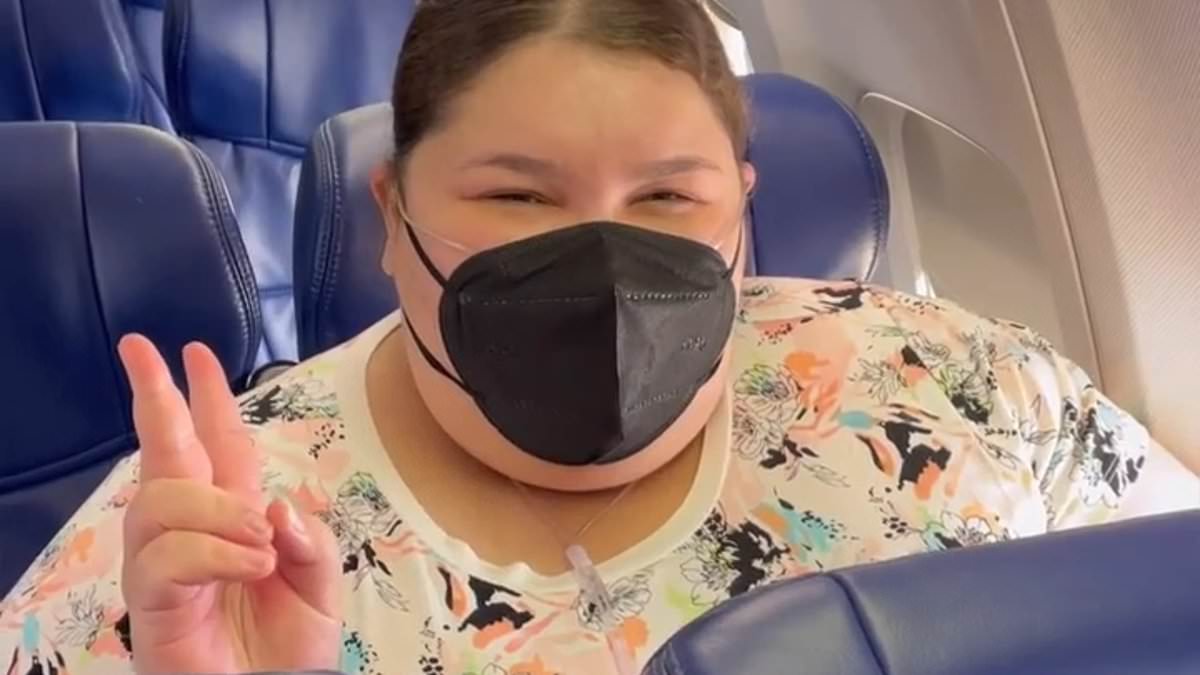
Jaelynn Chaney, a travel and lifestyle creator, previously made the news when she demanded the Federal Aviation Authority and airlines give overweight flyers as many free seats as they require to fly comfortably
Analysts, including Sheila Kahyaoglu, said in a report that the decrease in heavy flyers could lead to $580million, according to the outlet.
This year, an astonishing $38.6billion worth of fuel is expected to be used by Delta and United.
Flight companies ‘have a long history of searching for unique methods to reduce the weight of the aircraft, in turn reducing fuel consumption and limiting an airline’s largest cost bucket,’ analysts said in the report.
A November survey by KFF found that one in eight adults in the US is on GLP-1s to lose weight or treat a condition, and nearly one in five have taken a GLP-1 drug at some point.
However, the study found that many have trouble affording the drugs. This is something President Donald Trump has said he is moving to address.
Trump announced a deal with Novo Nordisk and Eli Lilly to cut the cost of the GLP-1 drugs for people struggling with obesity.
Under the president’s agreement, Oral doses of GLP-1 drugs will cost $149 a month for Medicare and Medicaid, and $245 for other doses of weight loss medication.

GLP-1 medications were initially created for those with type 2 diabetes, but have risen in popularity for their weight loss benefits

A 10percent weight decrease would help the airlines save millions. This year $38.6billion of worth of fuel is expected to be used by Delta and United
The usual cost of these breakthrough medications can exceed $1,000 per month.
The drug has been credited with dramatic weight loss, especially among celebrities such as Oprah Winfrey who has promoted the drugs as an effective way to lose weight.
The president praised the drugs for helping Americans lose weight and improve their health. He also spoke about people he knew who were on the medication.
The new research comes after Jaelyn Chaney, a travel and lifestyle creator, made headlines when she demanded the Federal Aviation Authority and airlines give overweight flyers as many free seats as they require to fly comfortably.
She also insisted that airlines refund overweight passengers for any extra seats they’re forced to purchase and admitted ticket prices would rise for slim passengers.