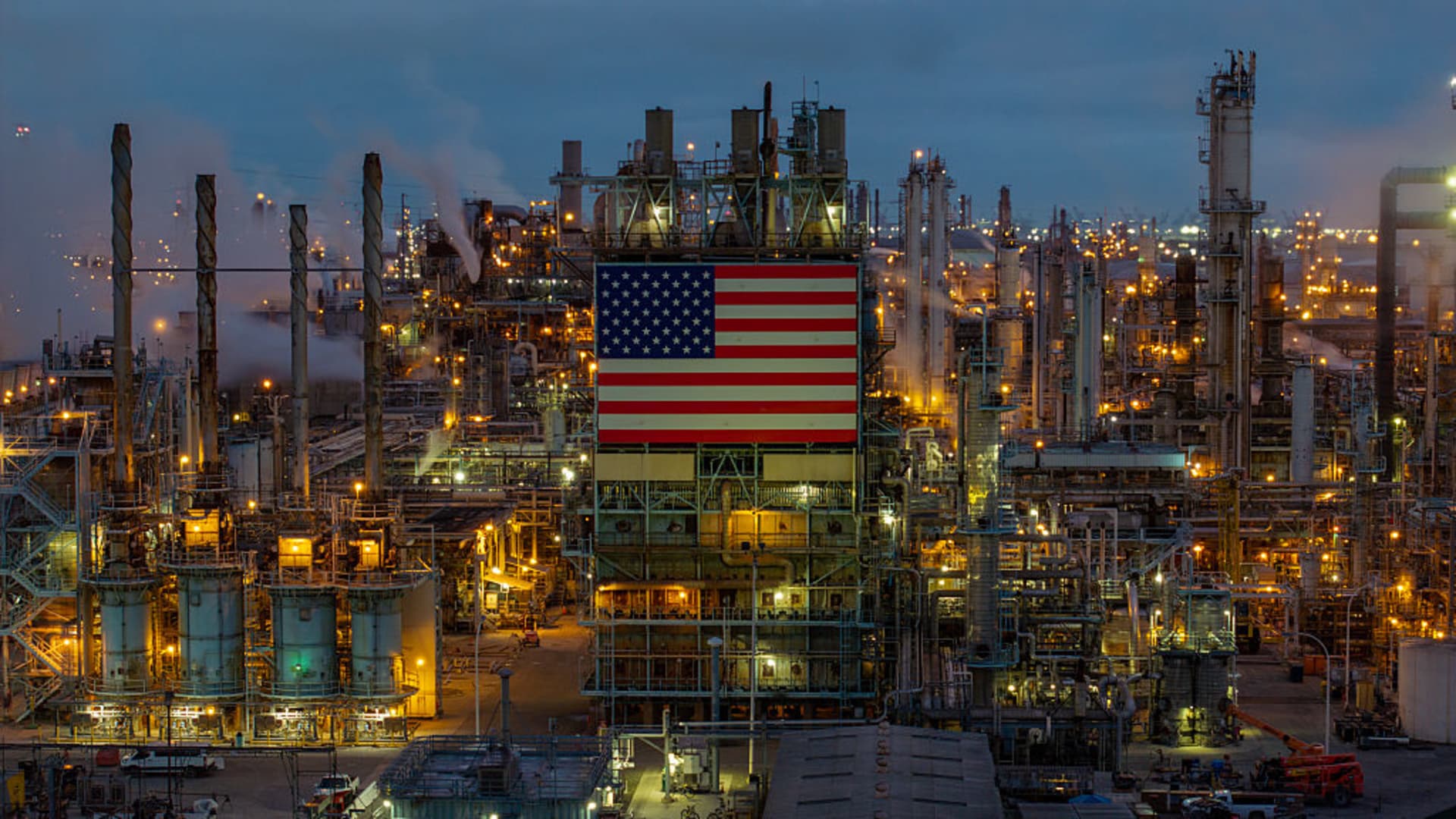

At the Sabine Pass LNG terminal in Cameron, Louisiana, U.S. natural gas futures declined for the fifth consecutive session on Tuesday, April 14, 2026. This downturn erased earlier gains as traders balanced the impact of falling oil prices against varying weather forecasts.
In a significant shift, the United States has become the leading supplier of liquefied natural gas (LNG) and liquefied petroleum gas (LPG) to India as of May. This surge is attributed to decreased shipments from Gulf countries, which have been experiencing traffic disruptions in the Strait of Hormuz.
India, which relies on the Strait of Hormuz for 60% of its LNG imports and nearly all of its LPG supplies, has faced challenges since U.S. and Israeli forces targeted Iran on February 28, leading to disruptions in this crucial maritime passage.
According to data from Kpler, the U.S. delivered 630,000 tonnes of LPG to India in May, marking a significant 60% increase compared to the 380,000 tonnes imported from all Gulf nations combined.
Additionally, the U.S. exported 900,000 tonnes of LNG to India during the same month, fulfilling over 40% of India’s total demand. This figure represents a threefold increase from April, as reported by Kpler.
The U.S exported 900,000 tonnes of LNG to India in May, which accounted for more than 40% of India’s total requirement and was a threefold increase on April, Kpler said.
Experts said that the conflict in the Middle East boosted U.S. exports, but added that the rise was also driven by Washington’s broader push to sell India more American energy. Even before the start of the war, the two countries were deepening their energy trade.
“Going forward, the India–US energy trade will increasingly focus on gas,” Sumit Ritolia, lead research analyst at energy intelligence firm Kpler, told CNBC.
The U.S., with its “abundant shale resources and expanding export infrastructure,” is uniquely positioned to benefit from India’s need to diversify gas supplies, he added.
U.S. gains market share
High freight costs helped prevent the U.S. from gaining a meaningful share in India’s gas market before the war. But being cut off from the Gulf made India more open to U.S. gas cargoes.
The Middle Eastern LPG supply “consistently outcompeted US cargoes on a landed-cost basis,” constraining the ability of the U.S. to gain market share in India, Manish Sejwal, senior vice president of commodity markets, oil- natural gas liquids/LPG and naphtha, at Rystad Energy, told CNBC in an email.
Sejwal added that by the end of June, the U.S. LPG supply to India is likely to exceed the 1 million-tonne mark.
LPG is primarily used as cooking fuel in India. Its supply and price are politically sensitive and authorities have sought to protect household consumers from rising global prices.
According to a report by global brokerage Nomura on Wednesday, the U.S is “the biggest beneficiary” of India’s gas sourcing shift. The report said Washington’s exports to New Delhi had grown eightfold from pre-war levels.
Bineet Banka, equity research analyst for energy at Nomura in India, told CNBC that Washington wants India to reduce its trade surplus with the U.S., “and higher energy imports may be the best way to do so.”
Importing LNG from the U.S. is more expensive than from the Gulf but “India doesn’t have many options,” Banka added.
Since the start of the Iran war, the Indian currency has weakened against the dollar, partly due to the country’s rising energy import bill. India is the world’s third-largest importer of crude, fourth-largest of LNG, and the second-largest importer of LPG.


