Share this @internewscast.com
“As children, we cherished our weekly trips to Cronulla, diving into the towering waves,” recalls Issam Mansour, now 62, reminiscing with his daughter Sara, 32, about the past. However, they haven’t set foot in Cronulla since 2005.
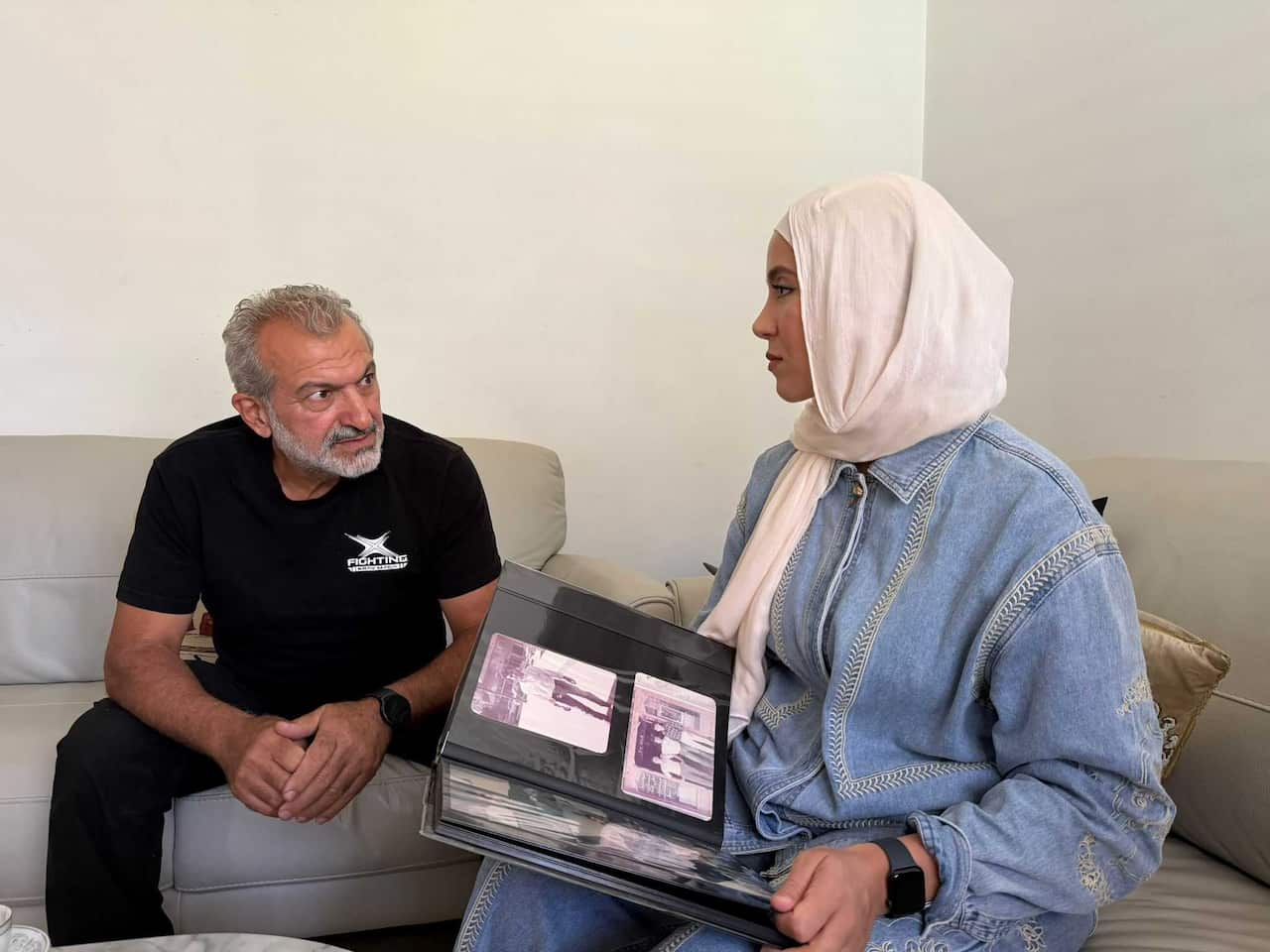
The memory of Cronulla is bittersweet for the Mansours, especially since Thursday marked the twentieth anniversary of the notorious racial violence that erupted on December 11, 2005. On that day, about 5,000 individuals gathered at North Cronulla beach, driven by a message urging “Aussies” to partake in a day of aggression against “Lebs and wogs.”
For families like the Mansours, the events of that day stir deep reflections about identity and belonging in Australia. In a conversation with SBS News, they shared how the riots have left an indelible mark on their lives and why they have yet to return to Cronulla.
Issam Mansour, who was just 12 when the Lebanese Civil War began in 1975, recalls those tumultuous times. His journey and experiences reflect a broader narrative of resilience amid adversity.
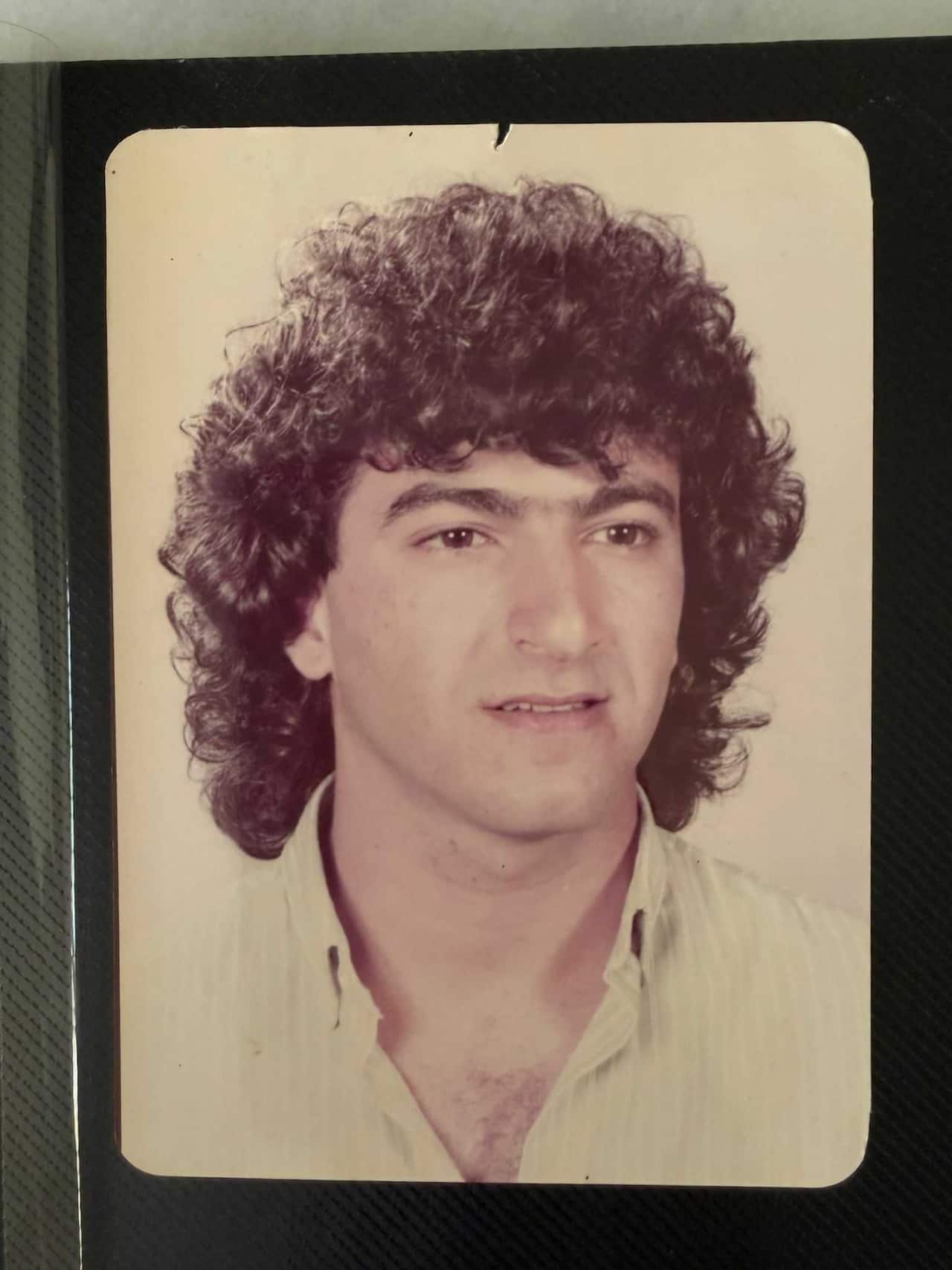
A young Issam Mansour, who was 12 when the Lebanese Civil War started in 1975. Source: Supplied
This year marked not only the 20th anniversary of the Cronulla Riots, but the 50th anniversary of the start of the Lebanese Civil War in April 1975.
“[It] really dawned on me that was a place that was not for us anymore, there was a sense of anger and frustration,” Sara recalls.
‘They’re never welcome back’
After that, a mass text message was sent to around 270,000 recipients, calling on “every f***ing Aussie in the Shire to get down to North Cronulla”.
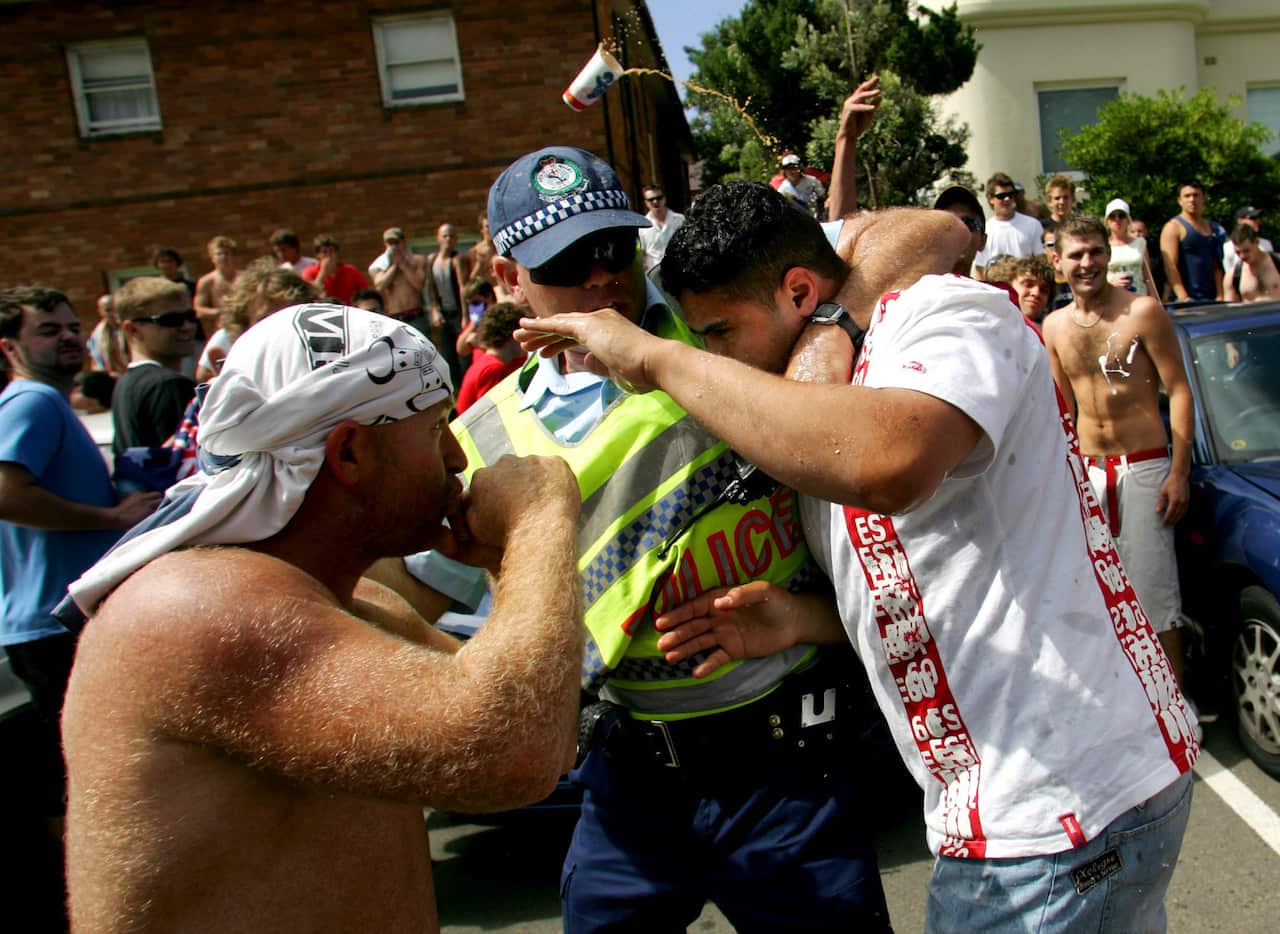
A police officer helps a man after he was set upon by a crowd at Cronulla on 11 December, 2005. Source: AAP / Paul Miller
“Let’s show them that this is our beach and they’re never welcome back,” it read.
“It made us go out less and it made us more insular,” Sara says.
Why Sara marked her arm with ‘wog for life’
But after the riots, Sara began to reflect on her identity.
“I think for me it was almost like a defiance and it was a sense of reclaiming my agency and controlling my identity and my body,” she says.
‘Not the image we want’
“We can’t walk away from the fact and instead we have to drive down that commitment to ensuring something like that never happens again.”
“I just can’t go,” Sara says.
Could the Cronulla riots happen again?
“All of the ingredients that were there at the time of the Cronulla Riots twenty years ago are here now today,” he told SBS News.
“It came down to the machine that was feeding that narrative. And that machine has not stopped.”
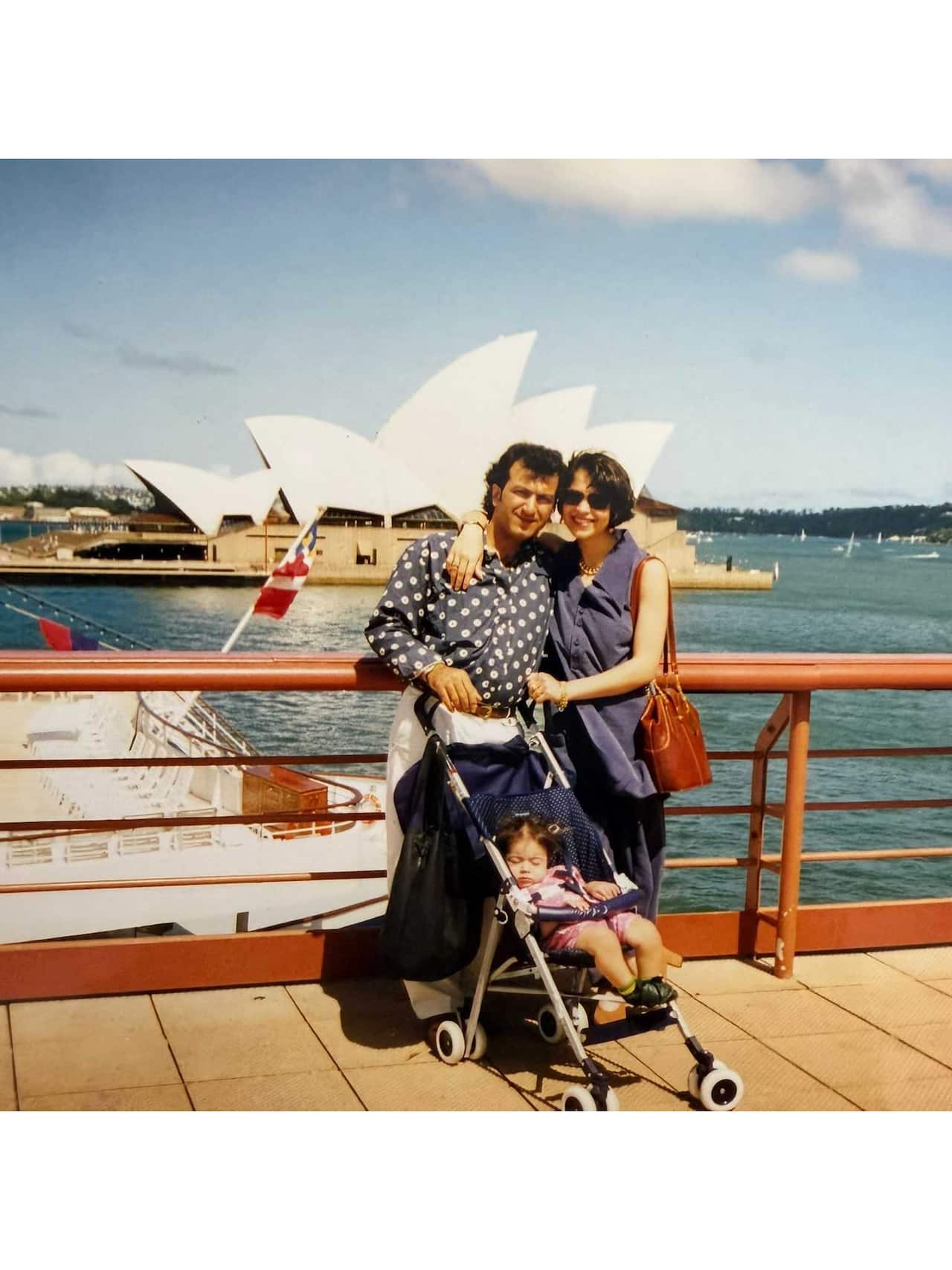
Issam Mansour and his family in front of the Sydney Opera House. Source: Supplied
Issam says his family just want to live peacefully.