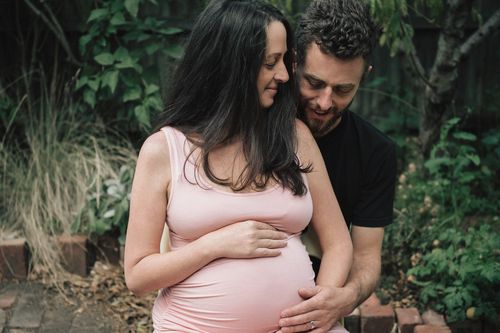

Moments after becoming a mother, Dusk Liney underwent a medical procedure that threw her back into “the darkest time” of her life.
The Victoria mum had sustained a third-degree tear during delivery and doctors stepped in to surgically repair it.
The procedure left her in “fight or flight” mode for days afterwards.

“I wasn’t aware of the procedures being performed on my body, and when I requested that information, I was informed it wasn’t possible,” Liney shared with 9news.com.au.
“I don’t think that [some doctors] realise the power dynamic that they’re in and how [it can] mirror the experience of abuse.”
Liney was sexually abused as a child, an experience she sadly shares with about 11 per cent of Australian women.
Additionally, 22 per cent of Australian women have endured sexual violence since turning 15, and over half have faced sexual harassment.
This has led many to endure trauma that might resurface during pregnancy, childbirth, and the early phases of motherhood; trauma that elevates the risk of perinatal depression and anxiety (PNDA).
Impacting about 100,000 expectant and new parents (one in five mothers and one in 10 fathers) every year in Australia, PNDA costs the economy $877 million annually.
Risk factors include mental illness and past trauma or abuse, but Liney thought she’d worked through her trauma and complex post-traumatic stress disorder (CPTSD) before she fell pregnant.
She had a “false belief” that being a sexual abuse survivor wouldn’t affect her experience of motherhood.

”One of my friends was a student midwife and she said, ‘I’m not sure if you’re aware but sometimes for survivors, things can come up during birth,'” Liney said.
”I couldn’t believe that the darkest time of my life could somehow come in and rob me of that joy.”
Instead, her trauma resurfaced during her pregnancy, birth and postpartum, leaving her struggling with feelings of guilt and shame.
Being retraumatised during the tear repair procedure was particularly difficult to cope with and though Liney had positive experiences, especially with her midwives, her mental health deteriorated and she experienced PNDA.
It’s a common experience among survivors who become parents.
Another from 2014 showed that women who had experienced physical, sexual, or emotional abuse as adults were also significantly more likely to report perinatal depression.
Anecdotally, survivors have reported that being retraumatised in medical settings during the perinatal period can exacerbate feelings of depression and anxiety.
“Small things that seem like an everyday part of medical practice, like walking into somebody’s room without knocking, can be extremely scary when you’ve spent your childhood watching the door,” Liney said.
“Being retraumatised, it put my body into fight or flight … the hyper vigilance that I had to protect myself and my daughter was was huge.”
It took her years to work through her perinatal mental health struggles and feel safe and ready to speak publicly about the need for trauma-aware care for all Australian parents, whether they’re a sexual abuse survivor or not.
Now a trauma-sensitive doula and maternity care educator, Liney’s calling for education and training for medical professionals to ensure they understand trauma and how best to provide care while instilling a feeling of safety and respect in patients.
“It isn’t just about being a survivor. To be a woman in the world is to have experienced trauma,” she said.
“You don’t need to know what someone’s gone through [because] when we provide trauma aware support […] it makes everyone’s experience better.”
Because if her obstetrics team had understood a little better eight years ago, when she gave birth, her experience may have been very different.
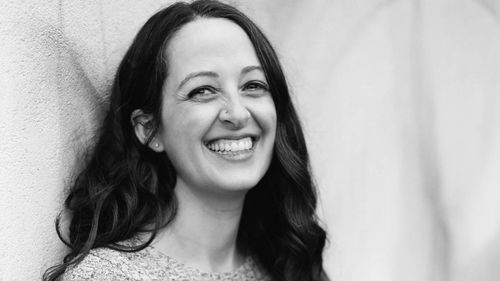
There’s no way to change what happened to her or the ways in which she’s been retraumatised but she hopes to help other survivors.
Today her daughter is eight and Liney, after years of work and support, has recovered and is thriving â an experience she wants for all parents with a history of trauma.
“I’ve witnessed it time and time again, where midwives and medical professionals are participants in that healing process for people and it’s just incredible to see,” Liney said.
“There’s so much hope and possibility, we just need to be having these conversations.”


