
Share this @internewscast.com
The Australian Federal Police have issued a warning about scammers who aim to entrap victims swiftly—often within the first 48 hours—and subsequently prolong the relationship to maximize financial exploitation.
Data from the Australian Competition and Consumer Commission (ACCC) reveals a concerning trend: over 1,300 Australians fell prey to romance scams last year, resulting in losses exceeding $28.6 million, marking a more than 20 percent increase from the previous year.
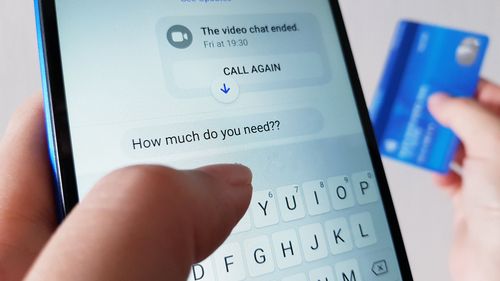
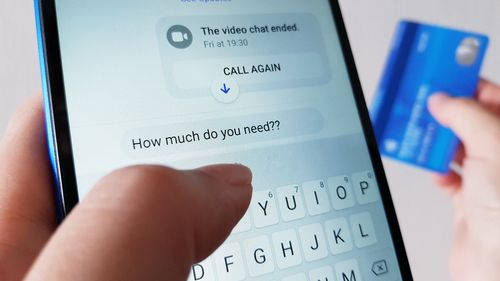
One notable case involved a divorced woman in her 50s who encountered a man in an online chat group. He claimed to desire a romantic relationship, portrayed himself as wealthy, and provided her with counterfeit identification and videos.
Within a month, he persuaded her to invest in a fraudulent AI application, leading her to transfer more than $600,000 to an overseas account in just a week.
Although she reported the incident to ReportCyber and contacted her bank, authorities fear the chances of recovering the lost funds are slim.
According to a study conducted by cybersecurity firm Gen last year, a significant portion of participants expressed willingness to utilize AI for various romantic purposes: 44 percent for crafting dating profiles, 41 percent for post-breakup therapy, and over a third (37 percent) even considered allowing AI to partake in virtual dates on their behalf.
A whopping 45 per cent of people studied would even consider dating an AI chatbot.
According to Dean Williams, a senior systems engineer at cyber safety and virus protection brand Norton, our loneliness is making us vulnerable.
“We’re seeing AI step into very human spaces by listening, comforting and advising,” Williams said.
“That can feel incredibly real.
“But loneliness can also lower our guard, and that’s when scammers move in.
“AI-powered tools can feel supportive, attentive and personalised… but the same technology is also making scams more convincing, emotional manipulation more subtle, and fake identities harder to spot.
“It’s never been more important to slow down, question what you’re seeing, and protect your personal information.”
Australian Banking Association CEO Simon Birmingham said advances in AI were helping banks fight scams, while at the same time making them more sophisticated.
“Banks are fighting back, using AI and other technologies to detect and shut down scams before they reach customers, however your own vigilance remains the most powerful protection.
“If it feels too perfect or something feels a little off, trust your instincts and double check, it could save you a lot of money.”
Tips to avoid romance scams
- Be wary of very professional and flawless-looking photos, as well as inconsistent details on profiles.
- Vague and repetitive answers could indicate you’re chatting to a bot.
- Try to verify the person by checking their social media presence or reverse-image searching photos.
- Be sceptical of fast-moving relationships, especially if someone tries to quickly move the conversation onto a messaging platform.
- Never send money or cryptocurrency to someone you have not met in person.
- Pause before acting on urgent requests such as claims of medical emergencies or investment opportunities.
- If something feels off, trust your instincts and don’t progress any further.