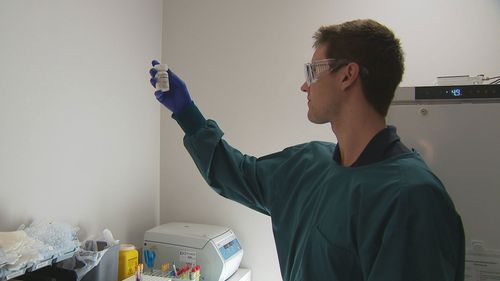

An Australian-developed drug to ease the debilitating symptoms of dementia is being trialled in several states throughout the country.
Dementia often leads to changes in behavior and psychological health, affecting most patients throughout their illness. These changes can cause significant distress and add stress to families and caregivers.
“We typically associate dementia with memory loss, but the shifts in personality and behavior, such as agitation and aggression, are much more challenging and frustrating to manage,” explained Associate Professor Michael Woodward, the Director of the Austin Health Aged Care and Memory Clinic.
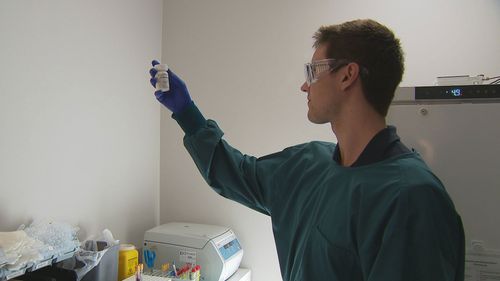
A new medication named KNX100 has been developed as an alternative to antipsychotic drugs. These antipsychotics often come with serious side effects and are used only when non-drug treatments are unsuccessful.
“It’s important that we’re able to develop new treatments that are targeted and that don’t have the side-effects particularly drowsiness that we encounter,” Trial Principal Investigator Dr Peter de Wet said .
“We need smart medications that don’t just sedate a person, don’t just chemically restrain them,” Associate Professor Woodward said.
A total of 60 dementia patients who are living at home are being recruited to participate in trials across Queensland, New South Wales, Victoria and South Australia.
The drug has already been shown in earlier trials to be safe and tolerable.
“It interferes with an enzyme (in the brain) that we know is associated with the signalling pathway that leads to agitation, aggression and other symptoms that are distressing to patients with dementia,” he said.
The innovation originated from research at the University of Sydney which led to spin out company Kinoxis.
“We’re providing a solution that we believe is a significant unmet need,”
“We aim to further develop and invest in this to take it as far as possible towards approval,” said Hugh Alsop, Kinoxis Therapeutics CEO.