
A landmark Australian study may have found a treatment and cure for a virus that impacts 10 million people worldwide.
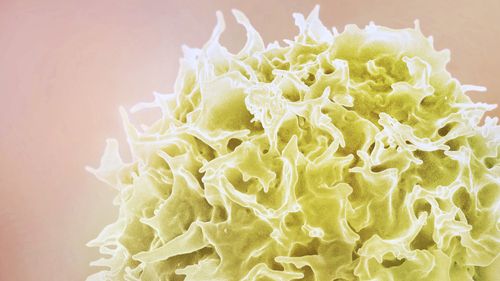
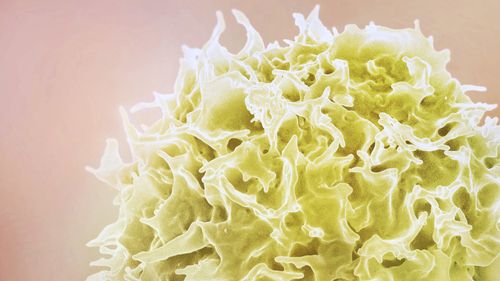
Human T-Cell leukemia type 1 (HTLV-1) is a dangerous virus that affects the immune system and blood cells that are crucial for fighting infections.
While research on HTLV-1 has been limited, a study by the Walter and Eliza Hall Institute of Medical Research (WEHI) and the Doherty Institute in Melbourne discovered that existing HIV treatments can also help control HTLV-1.
The study, which took place over 10 years, saw mice infected with human immune cells susceptible to HTLV-1 infections.
When mice were administered two well-known antiviral medications, tenofovir and dolutegravir, the findings revealed these drugs could drastically reduce HTLV-1.
The study also found the cells could be selectively killed when the mice were treated with these drugs.
Co-lead author and WEHI laboratory head Dr Marcel Doerflinger praised the development as a huge step in the right direction for finding a long-term treatment and cure to a highly prevalent disease.
“What’s most exciting is that these antivirals are already in use for millions of HIV patients, meaning there’s a direct path for the clinical translation of our findings,” Doerflinger said.
“We won’t have to start from scratch because we already know these drugs are safe and effective.
“And now we’ve shown that their use can very likely be extended to HTLV-1.”
The study also found the cells could be selectively killed when the mice were treated with these drugs, further emphasising the potential for a cure to HTLV-1.
This is particularly important for First Nations communities in parts of Central Australia, who have been impacted by a particularly aggressive strain of the virus.
Professor Damian Purcell of the Doherty Institute said the study would help experts in fighting both HTLV-1 and other similar diseases.
“There is a real opportunity to prevent the transmission of HTLV-1 and end the diseases caused by these infections,” Purcell said.
“Our research findings are a major leap forward in this.”