

Authorities in Queensland’s southeast are collaborating with health officials to identify the source of a suspected rat poison contamination, as several patients recuperate after consuming brodifacoum, a primary component in rat bait.
Queensland Health Minister Tim Nicholls confirmed that the number of affected individuals remains at five.
These patients, comprising one child and four adults, belong to three separate families with no known connections to each other.
“All five individuals are receiving appropriate medical attention and are recovering well at home,” Nicholls stated.
Rat poison functions by depleting vitamin K levels in the body, impairing the blood’s ability to clot.
Initially, there was speculation that the chemical might have been ingested through contaminated products at a fast food establishment.
However, today Nicholls cast doubt over the suggestion that a single fast food restaurant is to blame and confirmed police would assist health authorities trace the source of the poisoning.
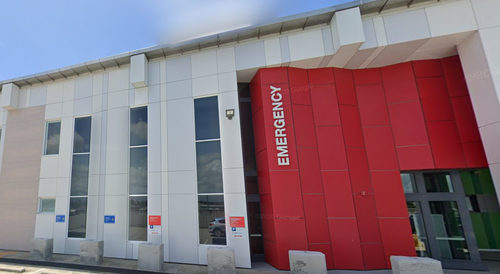
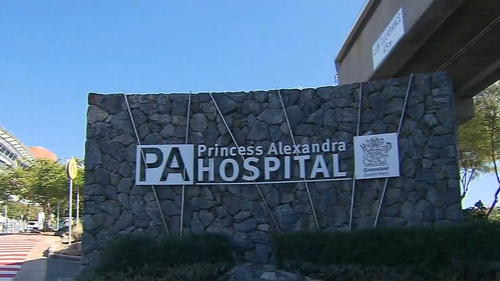
Queensland Health opened an investigation after five people presented to different hospitals in the metro south region, including Logan and Princess Alexandra, over the course of a week.
Despite police involvement, chief health officer Dr Catherine McDougall said the incident has not been deemed as suspicious.
“We want to make sure that we’re actually exploring all options,” McDougall said.
“Police will do work and we’ll do health work.”
“There has been a cluster of cases identified in the Metro South Head region of positive brodifacoum detection in patients,” McDougall said in the note.
McDougall asked staff to “be alert to the possibility of brodifacoum poisoning in patients who present with bleeding-related symptoms and coagulopathy that cannot otherwise be explained”.


