Share this @internewscast.com
In brief
- Anthony Albanese said that should the cohort return, they “will face the consequences of the law”.
- Dr Jamal Rifi said the women and children, who were returned back to the camp just hours after trying to make their way home, were “very emotional”.
The focal point of a contentious initiative to bring back several women and children from a Syrian detention camp to Australia is a man who claims that local authorities in the Middle East have been unsettled by negative political discourse emerging from Australia.
Jamal Rifi, a well-known doctor from western Sydney, ventured to Syria with the mission of facilitating the return of women and children allegedly connected to the Islamic State (IS) group. This effort proceeds despite a lack of support from the Australian government.
In an interview with SBS News from an undisclosed location in Syria, Dr. Rifi disclosed that he had secured passports for 34 women and children who had been residing in a Syrian displacement camp since the demise of IS in 2019.
Additionally, Dr. Rifi mentioned that a passport had been issued for a 35th Australian, Yusuf Zahab, who was only 12 when his family brought him to live under IS rule.
Now in his early 20s, Zahab, once feared dead, was discovered by SBS Dateline in 2024 at an adult Kurdish prison. Dr. Rifi lamented that the group had arrived too late, suspecting that Zahab has since been moved to an Iraqi prison, raising concerns that he may never be located.
‘Australia failed Yusuf’
Rifi said the group was too late. He believes Zahab has been transferred to an Iraqi prison, and fears he may never be found.
“We looked for him, and we got an information that he is no longer in Syria,” he said.
“When I had to inform his legal guardian, I just couldn’t stop myself crying because we failed Yusuf, Australia failed Yusuf.
“No child, a minor, should be put in an adult prison. He is still there, and unfortunately we can’t reach him.
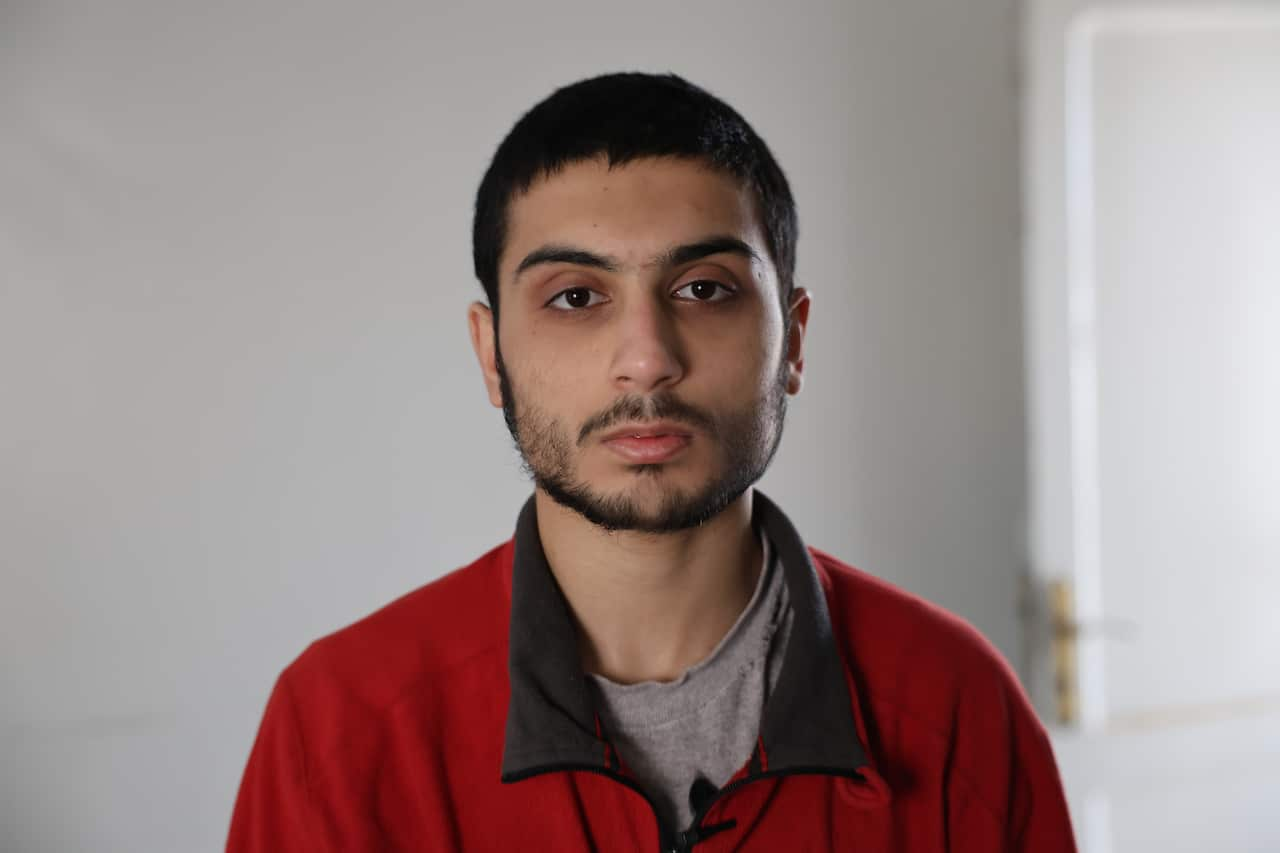
“He hasn’t committed anything wrong, and he shouldn’t pay the price of what his father or mother have done.”
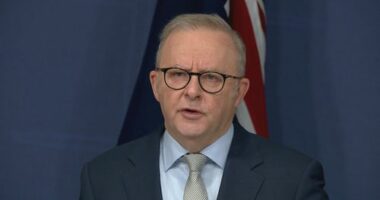
The bid by the women and children to return has caused a political storm in Australia, with Prime Minister Anthony Albanese insisting the government had no part in their repatriation, saying he had “nothing but contempt” for the women who travelled to IS-controlled Syria prior to the group’s fall.
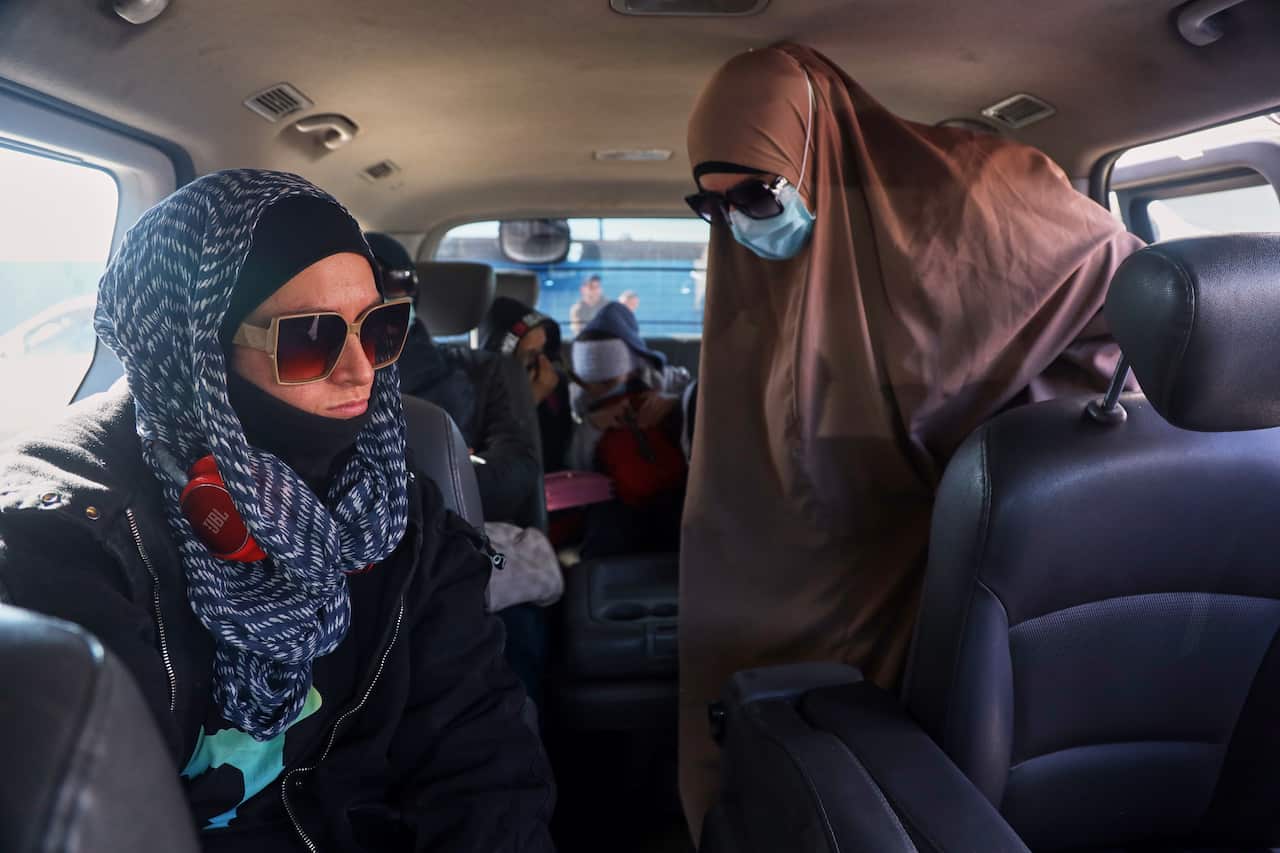
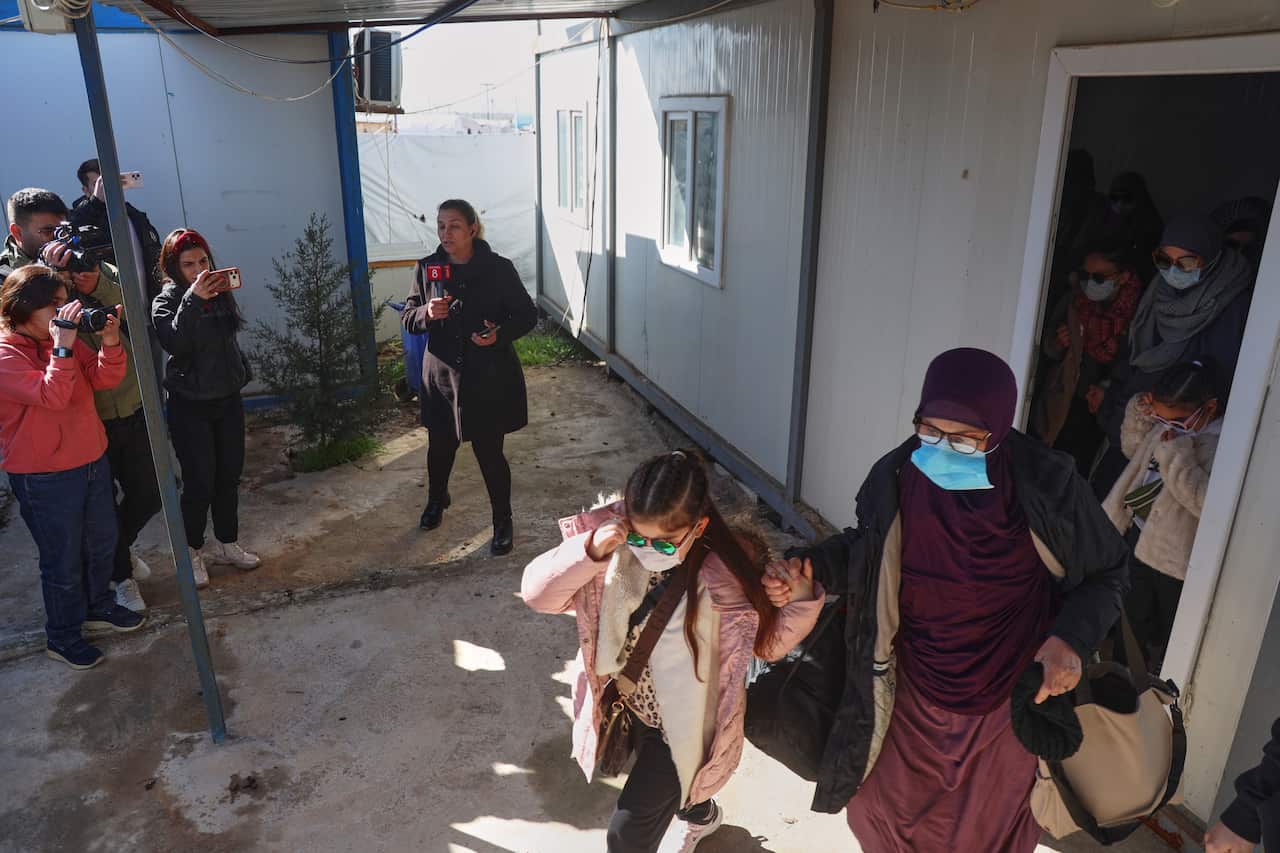
The group of 23 children and 11 women, who are the family of IS group fighters, were taken to the camps after the fall of the IS group caliphate in 2019.
On Tuesday, Albanese said that should the cohort return, they “will face the consequences of the law”. When asked on The Karl Stefanovic Show if they would be charged upon returning, he said: “Absolutely, if any laws have been broken. This is not an homogeneous group, there are different consequences.”
On Monday, in response to the group’s hopes to return, the Opposition proposed laws to make it a criminal offence for anyone to facilitate the re-entry of individuals linked to terrorist hot-spots, a terrorist organisation or who have committed terror-related offences.
Rifi, a prominent western Sydney doctor and Muslim community leader, said he wasn’t there to assist “sympathisers of ISIS,” referring to the self-proclaimed IS group.
“Our main aim is to help those Australian kids to be in safety, because they’ve stayed in that camp for far too long, they’ve been forgotten,” he said.
“I don’t know any one of the women, but I have been talking with some of them for the last six years, treating their kids, dealing with issues regarding panic attacks, asthma attack, tonsillitis, chillblains and other emotional and psychological issues.
“And from my dealing with those women, I can find that they are caring mothers, and I believe they love Australia.”
Rifi said the women and children, who were returned back to the camp just hours after trying to make their way home, were “very emotional” at the prospect of their journey being blocked.
“A lot of people out there was heart broken because we could not ensure their freedom.”
He said the women are willing to comply with authorities upon their return.
“They are willing to submit themselves to any discussion with our security agencies and to comply with the law for the sake of their kids.”
Rifi said the group remained hopeful of returning, but the negative political rhetoric had affected negotiations with Syrian authorities.
“We feel we’re making some inroad with the Syrian government right now, who see the humanitarian aspect of what we are doing, they sympathise with us,” he said.
“But unfortunately, the rhetoric from the prime minister in Australia put them off, and we’re trying to convince them otherwise and to help those innocent children in the camp.
“We’re still hopeful.”
Death threats from IS
Rifi said while he had obtained passports for the women and children, the government hadn’t helped their return.
“We haven’t received any assistance from the government. They didn’t know what we are doing.
“If they were willing to give us a single piece of paper, we wouldn’t be here where we are right now.”
Rifi says he hasn’t spoken to Home Affairs Minister Tony Burke, a long-time friend of his, nor Albanese about making a personal appeal.
He said he’s been trying to help a family since 2019 when he met with then-prime minister Scott Morrison and the then-minister for immigration, David Coleman.
Morrison’s government helped repatriate a group of orphans from a Syrian displacement camp.
“My involvement right now, it’s only a continuation of what I believed,” Rifi said.
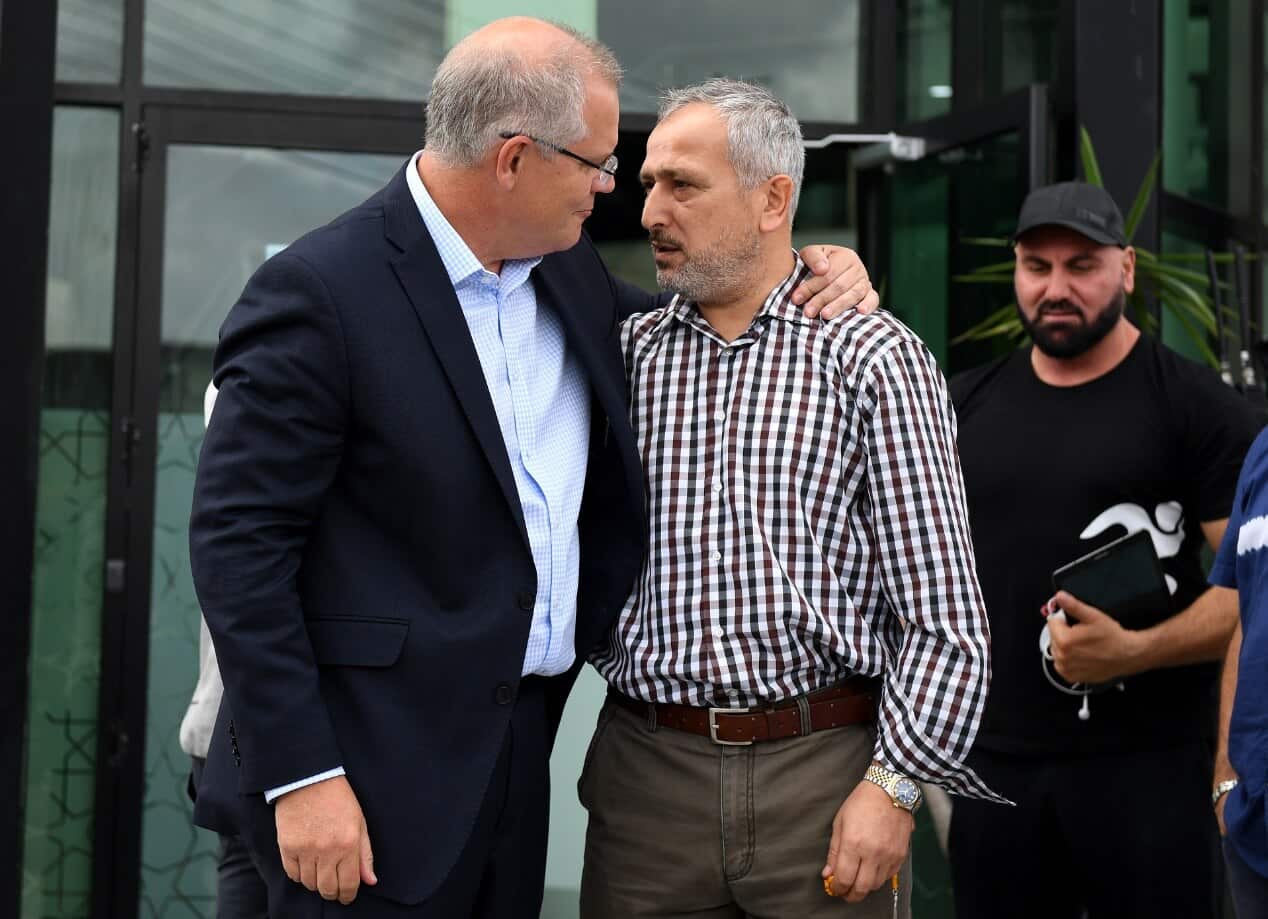
The doctor said he’s received death threats from IS fighters in his bid to help the families.
“I always been against ISIS … their ideology is an evil ideology, and I haven’t changed my mind at all about that.”
For the latest from SBS News, download our app and subscribe to our newsletter.