
A recent study conducted by Curtin University has raised alarming concerns about the potential colonization of toxic creatures across three-quarters of the Pilbara region. This biodiversity hotspot is home to 25 native species now under threat, according to the research findings.
Among the species at risk are various native marsupial predators, including the northern quolls, ghost bats, and kalutas. Additionally, frog-eating snakes, blue-tongue skinks, and goannas could face significant danger from this invasive menace.
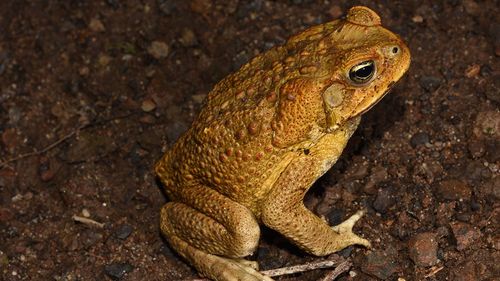
Dr. Judy Dunlop, the study’s lead author, warns that if these toads establish themselves in the Pilbara, eradication efforts would not only be challenging but also prohibitively expensive, potentially costing billions. “Once they’re established, removing them is virtually impossible,” Dunlop states.
Despite the grim outlook, there is a glimmer of hope. Dr. Chris Jolly, a co-author from Charles Darwin University, believes that implementing a containment strategy remains a feasible option.
The spread of these pests, notorious for their need for freshwater during migration, has already been observed in the Northern Territory over the past two decades. This pattern of expansion underscores the urgency of addressing the threat before it takes an irreversible hold on the Pilbara.
The pests have populated the Northern Territory in the last two decades.
“It is what we have learnt from toads in the NT that has provided the crucial information to inform the potential impacts of toads if they were to make it into the Pilbara, as well as understanding how and when they might get there,” Jolly said.
The Northern Territory had naturally occurring containment zones using seawater, with coastal locations such as Groote Eylandt and the Tiwi Islands acting as refuges for wildlife like northern quolls.
Currently, the toads are approaching a naturally dry region where the Great Sandy Desert meets the ocean as they approach Western Australia.
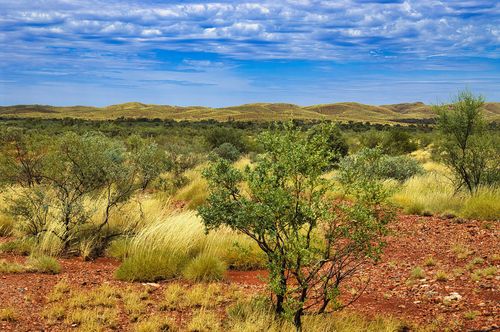
There, the only water sources are man-made cattle watering points.
Upgrading these water sources from open dams to concrete tanks and troughs designed to be inaccessible to the toads would remove the “stepping stones” used by the toads to cross the arid zone.
”This targeted intervention could halt their advance into the Pilbara, protecting its unique biodiversity and reducing the risk of catastrophic declines in native species such as northern quolls, ghost bats, goannas, and blue-tongue skinks,” Dunlop said.
Dunlop said it was always preferable to prevent an environmental hazard before it occurs.
“The investment required for containment is modest compared to the astronomical costs and low feasibility of eradication.”
The report authors suggest a similar strategy could also be used in the Northern Territory’s arid zones, reducing their numbers during the dry season.
NEVER MISS A STORY: Get your breaking news and exclusive stories first by following us across all platforms.