In brief:
- The budget airline would offer flights between Sydney, Melbourne and Brisbane, before expanding.
- Experts warn that industry competitors would go to lengths to see the proposed airline flop.
A new budget airline, backed by former Qantas executive Peter Kelly, is set to disrupt Australia’s most heavily trafficked air routes, potentially driving down ticket prices. However, industry experts caution that the fledgling carrier will face significant competition from established airlines.
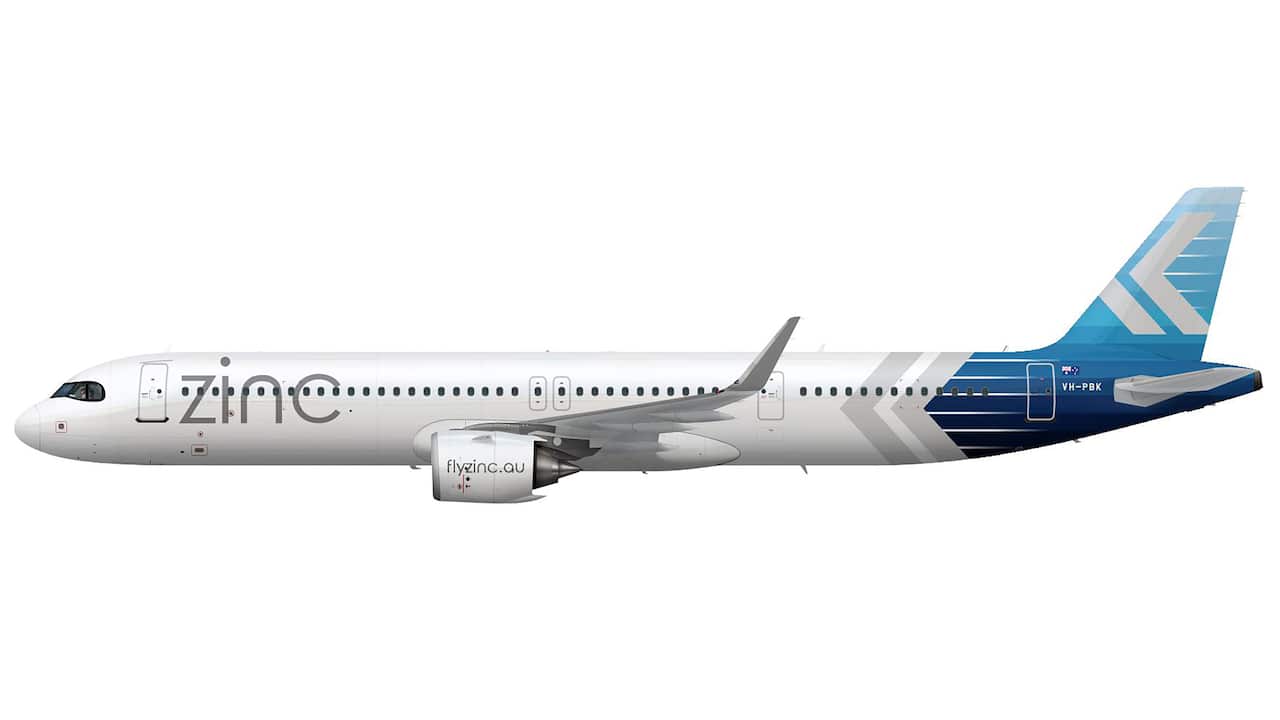
The proposed airline, named Zinc, aims to provide Australians with a cheaper flying option. Inspired by the success of Europe’s low-cost giant Ryanair, Zinc plans to offer the most affordable domestic flights. The initial focus will be on routes within the “Golden Triangle” connecting Sydney, Melbourne, and Brisbane, with future expansions to Adelaide and the Gold Coast.
Despite the anticipated hurdles, Kelly remains optimistic about Zinc’s prospects, attributing its potential success to the new Western Sydney International Airport. He believes this airport will offer sufficient flight opportunities for the airline to thrive.
In the past, the Australian domestic flight market was restricted by the limited availability of flight “slots” at Sydney’s Kingsford Smith Airport, which are largely controlled by existing carriers. Kelly suggests that these constraints have hampered competition and limited consumer choice.
The Australian domestic market was previously impeded by a limited number of “slots” available for flights through Sydney’s existing Kingsford Smith Airport.
Kelly said these are held by incumbent airlines.
‘More competition means lower prices’
Professor Rico Merkert, an aviation industry expert from Sydney University, said an ultra-low budget airline like Zinc has the potential to bring ticket prices down across the board.
“For customers, it would be great. More competition means lower prices,” Merkert said.
However, he believes there’ll be pushback.
He says Jetstar, the low-budget subsidiary of Kelly’s former employer, will fight to maintain its most profitable routes.
“They will do everything they can to make this a failure in my view,” he said.
Defunct airline, Rex, expanded its regional roots to offer flights in the “Golden Triangle” — a decision that led to its collapse, Merkert said.
Kelly believes that there’s an appetite for more competition in Australia, not least by the Australian Competition and Consumer Commission.
Considering the global fuel crisis and the recent failure of American low-cost airline, Spirit, Merkert said it’s “crazy” to launch an airline.
“It’s an absolute crazy environment to set up an airline right now, when most other airlines are just trying to understand how they can survive,” he said.
RMIT aviation expert, Chrystal Zhang, agrees timing is critical for new airlines. However, she believes pre-launch preparation could see better outcomes for the airline’s future.
“New airlines entering the market would face significant and very head-on competition from the incumbent airlines,” she said.
“In theory, we need more airlines, but in reality, perhaps it’s a different story.”
For the latest from SBS News, download our app and subscribe to our newsletter.