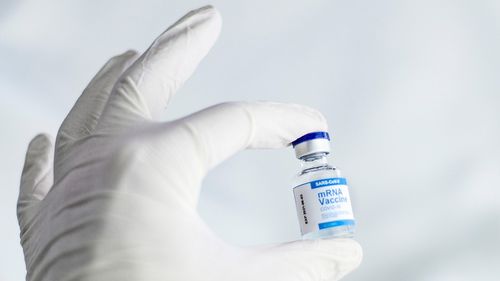

According to research conducted in the United States, patients suffering from advanced lung or skin cancer who received a COVID-19 mRNA vaccine within 100 days of starting their treatment experienced a doubling in their lifespan compared to those who did not receive the vaccine.
Experts suggest that if these findings are confirmed in further studies, these vaccines might emerge as a potent and effective method for cancer treatment.
Seth Cheetham, an Associate Professor at the University of Queensland who was not part of the research, noted that COVID-19 mRNA vaccines operate similarly to several cancer therapies by helping the immune system recognize and attack cancer cells.
“A number of cancers are treated using immune checkpoint inhibitors, which prevent cancer cells from evading the immune system,” he explained.
He further elaborated, “mRNA vaccines rapidly activate the immune system.”
“In just one day, blood samples from people vaccinated with a COVID mRNA vaccine showed a significant increase in interferon—a natural antiviral signal—and immune cells became more vigilant,” he added.
Cancer vaccines are in development and have shown some positive results, but they are expensive and have logistical challenges of their own.
However, COVID-19 mRNA vaccines are cheaper and more widely available, having already been used globally during the coronavirus pandemic.
Cheetham cautioned further trials and studies were required, but said the latest developments were promising.
“If these confirmatory trials are successful, doctors may soon have an unexpected powerful new option for treating cancer,” he said.