Share this @internewscast.com
In Brief
- Iranian officials say the team is unlikely to play World Cup matches on US soil.
- Donald Trump’s immigration crackdown has raised barriers for players and fans, with travel bans and visa limits in focus.
Iran’s participation in the 2026 FIFA World Cup has been cast into doubt as Sports Minister Ahmad Donyamali has indicated that the team may withdraw unless their scheduled matches in the United States are relocated to Mexico.
The core of the request lies in the need for enhanced security assurances for Iranian players and staff, with officials arguing that the existing measures fall short of FIFA’s stipulated standards for host countries.
“Our petition to FIFA to shift Iran’s games from the US to Mexico is still pending, but we have yet to receive an official reply. Should it be approved, Iran’s participation in the World Cup would be confirmed. However, FIFA has not responded so far,” Donyamali revealed to Turkish news agency Anadolu on Sunday.
“Given the current situation, Iran’s likelihood of playing its World Cup matches in the US is minimal,” he added.
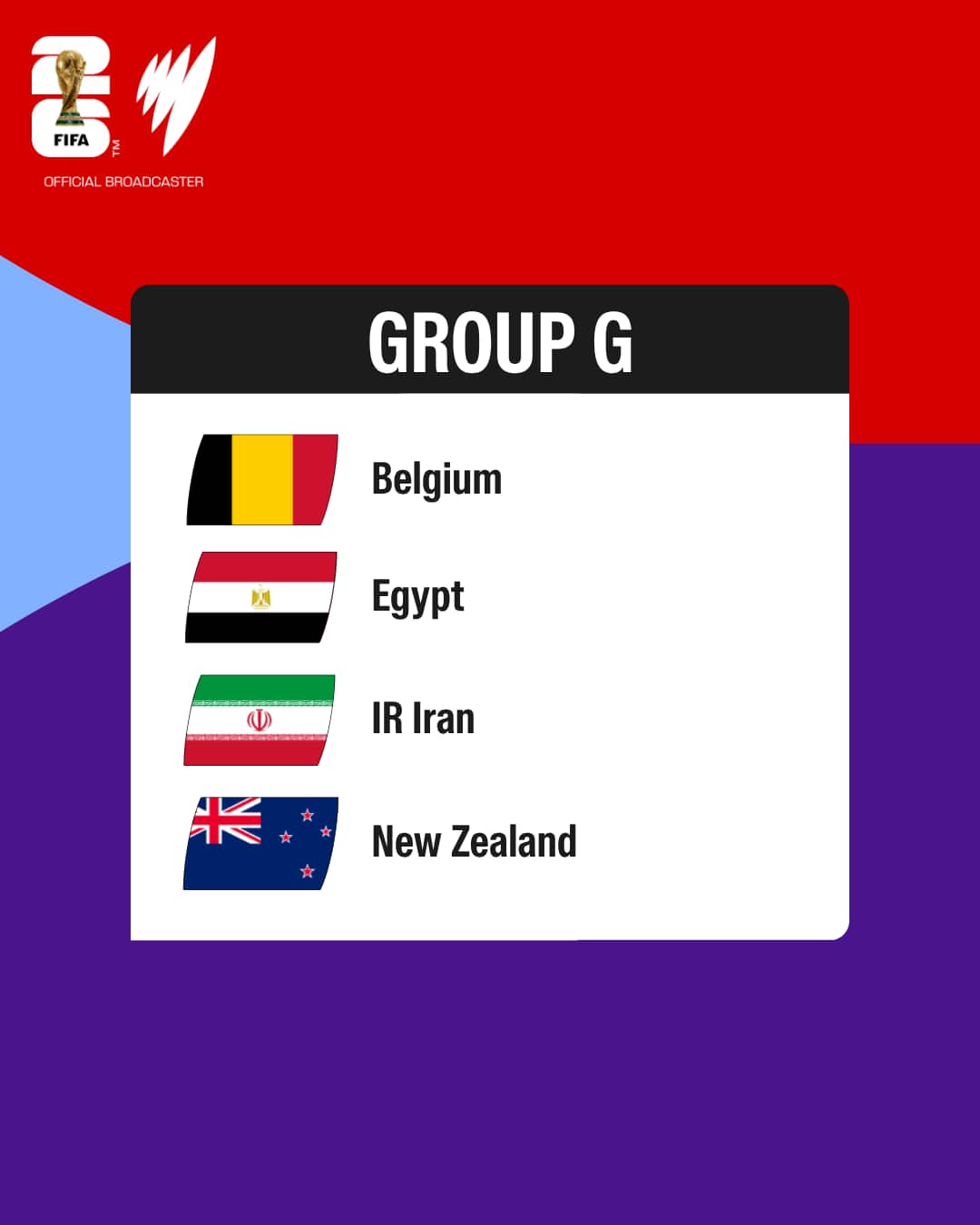
As the first Asian team to secure a spot in the tournament, Iran is slated to compete in three group-stage matches in the US. Their schedule includes facing New Zealand in Los Angeles on June 16, Belgium in the same city on June 22, and Egypt in Seattle on June 27.
This edition of the World Cup is jointly hosted by the US, Mexico, and Canada.
Donyamali said Iran’s players had continued their preparations, but made clear the government would decide whether the team ultimately travels, only if “the relevant security guarantees are provided”.
No Plan B
The uncertainty has unfolded against a series of increasingly pointed public exchanges between Iranian officials, US President Donald Trump and FIFA president Gianni Infantino over whether Team Melli can, and should, play in the United States during wartime.
Within two weeks of the start of the war, Trump said Iran would be permitted to attend the tournament, but added: “I really don’t believe it is appropriate that they be there, for their own life and safety.”
Iran’s football authorities responded sharply, with president Mehdi Taj saying: “When Trump has explicitly stated that he cannot ensure the security of the Iranian national team, we will certainly not travel to America.”
He added: “We are currently negotiating with FIFA to hold Iran’s matches in the World Cup in Mexico.”
FIFA has since rejected the request to move the fixtures, insisting all matches will proceed according to the draw and the schedule announced last year.
“The matches will be played where they are supposed to be, according to the draw,” Infantino said after meeting Iranian officials last Wednesday.
In separate remarks, he also sought to reassure Iran’s delegation while shutting down suggestions of an alternative hosting arrangement.
“We want them to play; they are going to play in the World Cup. There are no Plans B or C or D; Plan A is the only plan,” Infantino said.
“We live in a complex geopolitical situation … but our work is to unite. We know it is a complicated situation but we will work to be sure that Iran plays in this World Cup in the best conditions.”
Donyamali, however, said Trump’s statements had only deepened doubts and argued security guarantees were a FIFA obligation under the governing body’s own rules.
At the border
The war has also intensified scrutiny of the United States as host, particularly as most matches in the expanded 48-team tournament will be played on American soil and concerns broaden beyond Iran’s participation alone.
Trump’s immigration crackdown has become the centrepiece of that debate, encompassing plans for social media screening for some visitors and travel bans affecting fans of World Cup teams Senegal, Ivory Coast, Iran and Haiti.
Amnesty International said last week that millions of fans risk encountering “troubling attacks on human rights” during the tournament, and warned that abusive US immigration policies could shape the event.
“The US Government has deported more than 500,000 people from the USA in 2025 — more than six times as many people than will watch the World Cup final in the MetLife Stadium [in New Jersey],” Steve Cockburn, Amnesty’s head of economic and social justice, said.
“The record-breaking surge of unlawful arrests and deportations has only been possible because of the erosion of due process safeguards, undermining the rights to liberty and security of hundreds of thousands of migrants and refugees.
“These policies have torn communities apart and created a climate of fear throughout the USA. It’s a deeply troubling time in the US, which will certainly extend to fans who want to take part in World Cup celebrations.”
Cockburn also called for specific protections around the tournament itself.
“We need clear assurances there will be no ICE presence around venues so people can attend without fear of arbitrary arrest or deportation.”
For the latest from SBS News, download our app and subscribe to our newsletter.