Share this @internewscast.com
In brief
- Robert Duvall had a wide-ranging career in leading and supporting roles, and later became a director.
- He was once described as “the most technically proficient, most versatile, and the most convincing actor on the screen” in the US.
The world mourns the loss of Robert Duvall, a cinematic legend whose memorable performances left a lasting impact on Hollywood. Known for his role as the suave Mafia lawyer in “The Godfather” and a surfing-obsessed colonel in “Apocalypse Now,” Duvall passed away at the age of 95.
The news of his passing on Sunday was confirmed by his wife, Luciana Duvall, who expressed her profound grief. “Yesterday, we said goodbye to my beloved husband, cherished friend, and one of the greatest actors of our time. Bob passed away peacefully at home,” she shared in a heartfelt statement.
Throughout his extensive career, spanning over six decades, Duvall became known for his straightforward nature and aversion to the trappings of fame. His talent earned him an Oscar for Best Actor and six additional nominations. Not only did he excel in both leading and supporting roles, but he also ventured into directing.
“To the world, he was an Academy Award-winning actor, a director, a storyteller. To me, he was simply everything,” Luciana Duvall continued. “His passion for his craft was matched only by his deep love for characters, a great meal, and holding court.”
Duvall’s Academy Award came in 1983 for his portrayal of a washed-up country singer in “Tender Mercies,” a testament to his ability to bring depth and authenticity to every role he embraced.
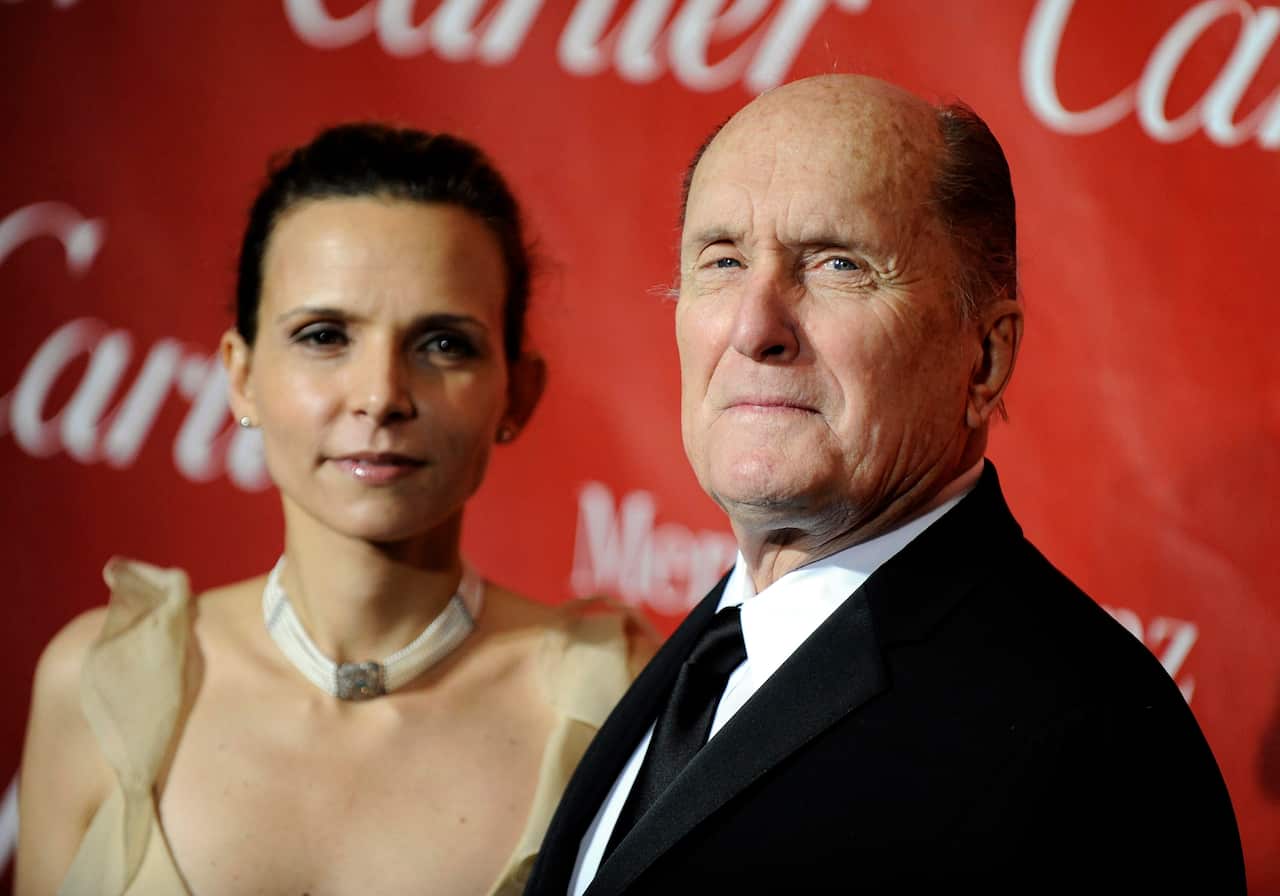
Duvall won his Academy Award in 1983 for playing a washed-up country singer in Tender Mercies.
Among his most memorable characters were the soft-spoken, loyal mob consigliere Tom Hagen in the first two instalments of The Godfather and the maniacal Lieutenant Colonel William Kilgore in Francis Ford Coppola’s 1979 Vietnam War epic “Apocalypse Now”.
The latter role, which earned Duvall an Oscar nomination and made him a bona fide star after years playing smaller parts, featured one of cinema’s most famous lines.
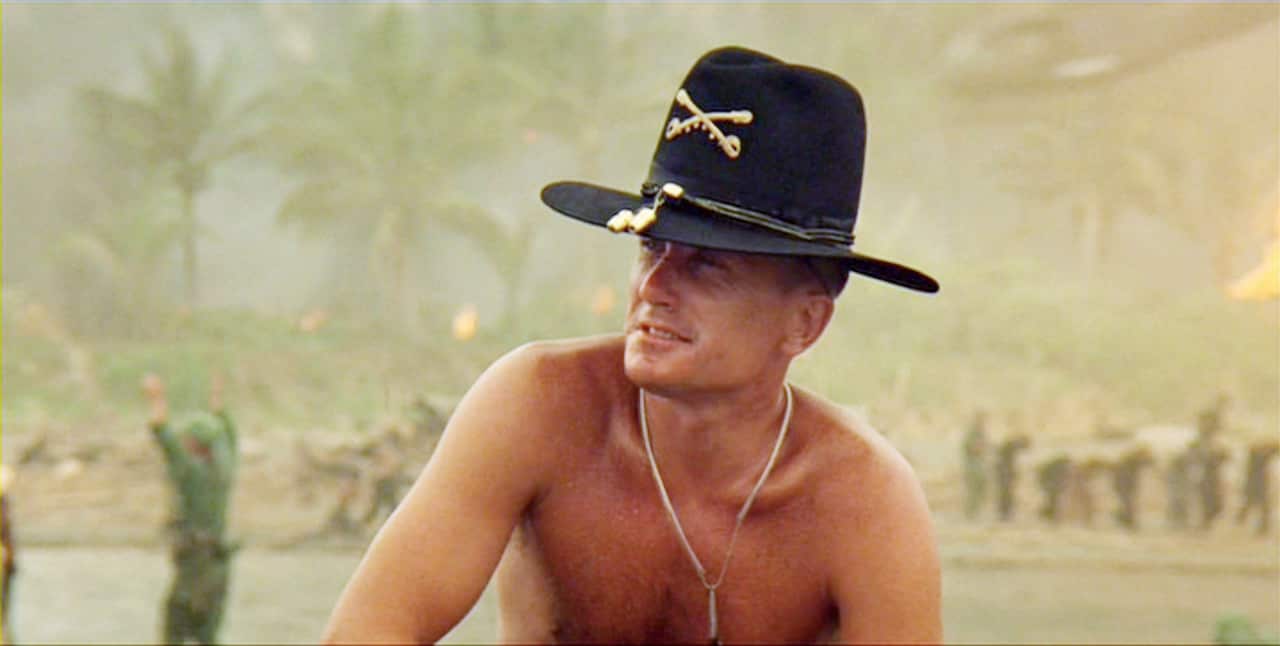
“I love the smell of napalm in the morning,” his war-loving character — bare-chested, cocky and sporting a large black cowboy hat — muses as low-flying US warplanes bomb a beachfront tree line where he intends to go surfing.
The character was originally conceived as even more exaggerated — his name was initially meant to be Colonel Carnage — but Duvall had it toned down, demonstrating his meticulous approach to acting.
“I did my homework,” Duvall told veteran talk show host Larry King in 2015. “I did my research.”
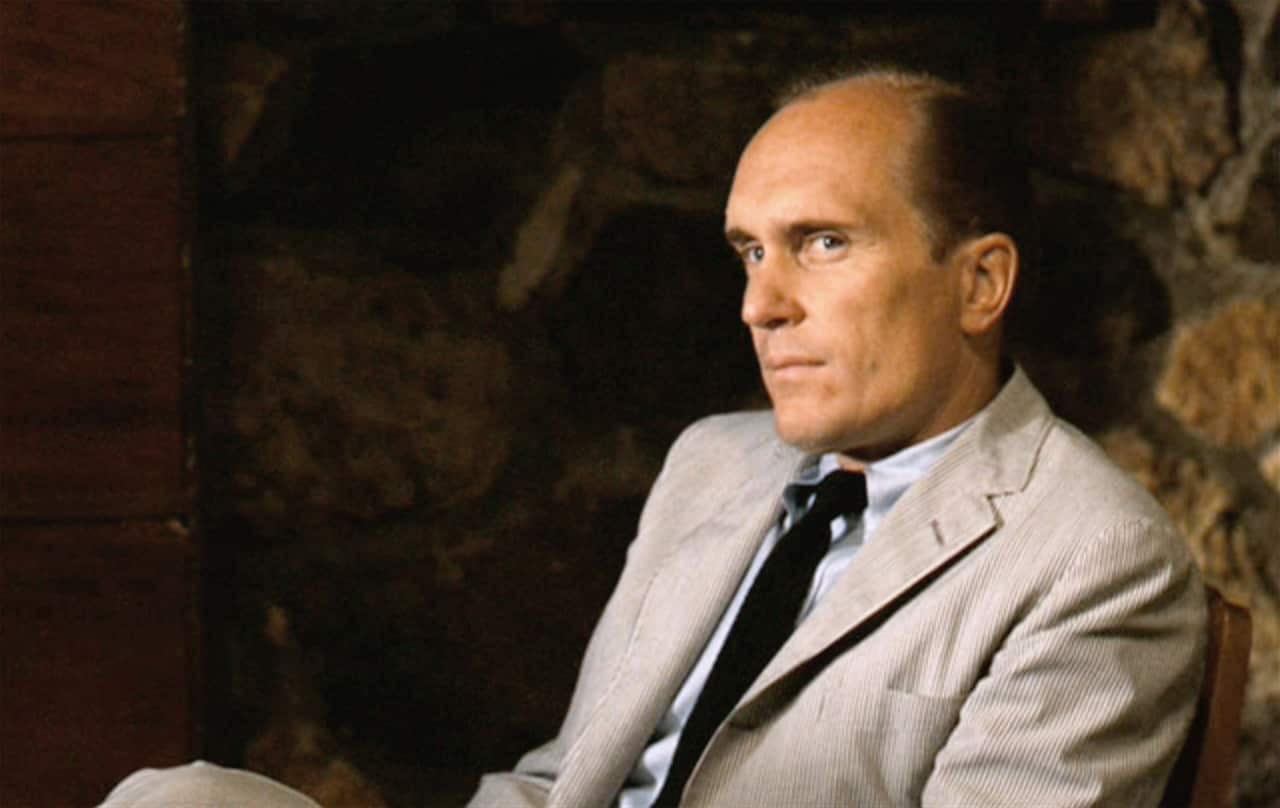
Duvall was something of a late bloomer in Hollywood. He was already 31 when he delivered his breakthrough performance as the mysterious recluse Boo Radley in the 1962 film adaptation of Harper Lee’s novel To Kill a Mockingbird.
He went on to play a wide range of roles — a bullying corporate executive in Network (1976), a Marine officer who treats his family like soldiers in The Great Santini (1979), and then his starring role in Tender Mercies.
Duvall often said his favourite role, however, was one he played in a 1989 television mini-series — the grizzled, wisecracking Texas Ranger-turned-cowboy Augustus McCrae in Lonesome Dove, based on the novel by Larry McMurtry.
Film critic Elaine Mancini once described Duvall as “the most technically proficient, the most versatile, and the most convincing actor on the screen in the United States”.
For the latest from SBS News, download our app and subscribe to our newsletter.