Share this @internewscast.com
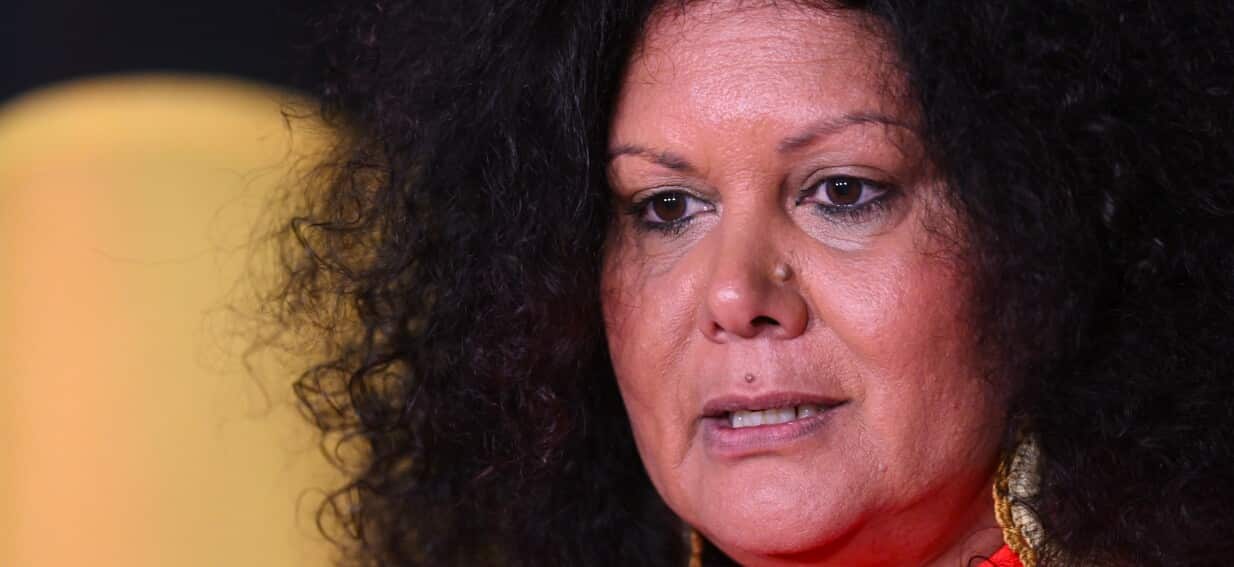
An inquiry into racism against First Nations people has been set in motion by a parliamentary committee, following an alleged terror attack targeting Invasion Day demonstrators in Perth.
Indigenous Australians Minister Malarndirri McCarthy formally requested this investigation earlier in the week, addressing the Joint Standing Committee on Aboriginal and Torres Strait Islander Affairs.
On Wednesday, the Committee confirmed the inquiry’s launch, focusing on the “racism, hate, and violence” encountered by First Nations communities.
Minister McCarthy expressed concern, stating, “First Nations people are feeling fearful and outraged following the alleged terrorist incident in Boorloo, Perth, as well as last year’s attack on Camp Sovereignty.”
She continued, “This period has been challenging for families and communities, and the inquiry provides a vital platform for their voices to reach the parliament.”
Minister McCarthy also noted, “I frequently hear from Aboriginal and Torres Strait Islander individuals about the growing hate and racism, particularly online. It is crucial that we confront racism in every manifestation.”
Independent Senator Lidia Thorpe welcomed the news.
“After the Boorloo attack, I called for an inquiry, and I have been discussing this with Minister McCarthy. So this move is a step in the right direction,” she said in a statement.
“While I welcome the inquiry, I am also cautious. Too often, processes like this do not lead to real outcomes or action.
“Our people are tired of giving evidence, sharing trauma and telling the same truths over and over again, only to see reports shelved and recommendations ignored.
“From deaths in custody, to child removal, to the destruction of Country, we have stacks of reports gathering dust.
“Setting up an inquiry is the easy part. Acting on it is what counts.”
The Gunnai, Gunditjmara and Djab Wurrung woman is a member of the standing committee, and said the terms of reference should have more explicitly included “systemic racism”.
She also repeated her calls for the Australian Human Rights Commission’s anti-racism framework to be fully implemented.
““This inquiry must also address … the structural barriers embedded in systems and institutions across this country that quietly keep us down,” she said.
“The government should be working around the clock to tackle racism now, including by implementing the National Anti-Racism Framework and clearing the backlog of committee reports and recommendations it continues to ignore.”
Steady rise in reports of racism
In his annual Closing the Gap address to parliament last month, the prime minister Anthony Albanese also warned against ‘racism and hate’ directed at Indigenous people in the wake of the alleged attack in Boorloo Perth.
“Many of you have been providing comfort to people grappling with shock and fear,” he said.
“People imagining how much worse things could have been …
“The danger of that alleged attack was real – and so was the racism and hatred behind it, motivated by a white supremacy ideology.
“Aboriginal and Torres Strait Islander people have the right to gather and express their views, without fear of violence.”
As noted by the Indigenous Australians Minister in announcing the inquiry, Aboriginal and Torres Strait Islander people have reported experiencing increasing levels of racism in the last few years.
Aunty Marjorie Anderson, Head of Indigenous Affairs at Lifeline, said recent events have also sparked more people to phone 13YARN, the Indigenous helpline, for support.
“In the last maybe six months, calls have really risen,” she said.
“I think that’s got to do … with the Neo Nazis marching and Aboriginal people not feeling safe after what happened at Camp Sovereignty.
“Then after … the attempted bombing in Perth and how it took days for them to come out and say it was a terrorist act; if it was any other group, it would have been called a terrorist attack straight away.
“Aboriginal people just aren’t feeling safe in their own country at the moment.
“So when you’re feeling unsafe … things that you might have been able to be resilient enough to cope with sometimes will be magnified because of the way you’re already feeling.”
The inquiry is taking submissions until May 1, and will report its findings in September.