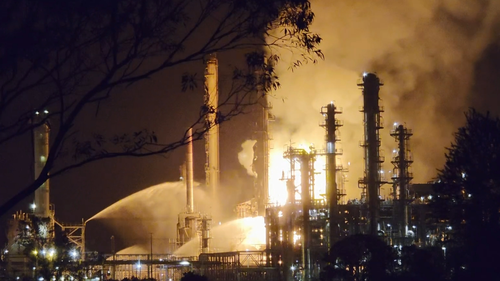

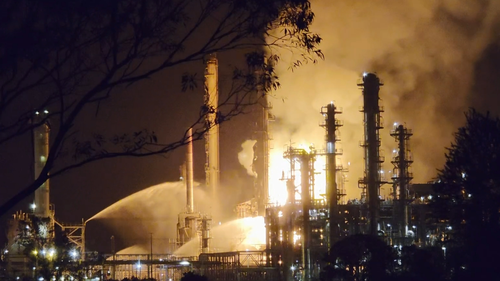
Despite a recent fire at the Viva Energy oil refinery in Geelong, petrol prices in Australia are on a downward trend, offering some relief at the pump. However, Treasurer Jim Chalmers has cautioned that Australians could still experience “severe” economic repercussions.
Initially, there were fears that the fire might significantly disrupt the fuel supply. However, the national average price of petrol is predicted to slip below $2 per litre over the weekend, thanks to a decline in global prices.
Prime Minister Anthony Albanese visited the affected refinery today, offering reassurances about the continuity of fuel production. “Eighty percent of diesel production is continuing, and 80 percent of aviation fuel production is also ongoing,” he stated.
To mitigate any potential supply gaps, imports are being utilized, and experts remain optimistic about the current supply situation. David Leaney, a supply chain expert from ANU, noted, “We’re approaching almost 40 days of petrol supply, which is a positive sign.”
Imports are helping replace any lost supply, and experts say the trends are positive.
“We’re getting up close toward 40 days of petrol, so these are good trends,” ANU supply chains expert David Leaney said.
The good news may stop there, if the warning from Treasurer Jim Chalmers is anything to go by.
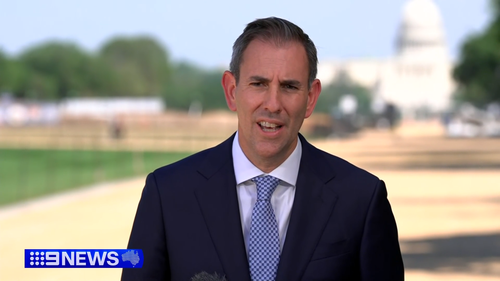
“The consequences of this conflict on the other side of the world are already very serious for Australians and they risk becoming severe,” he said in Washington DC today.
He believes Australia won’t head towards a recession, but that economic growth could slowed considerably.
It remains to be seen how this will impact the budget, set to be handed down next month.
While the fuel supply situation is improving, some want more to be done to ensure Australia is never in this position again.
Queensland Premier David Crisafulli called on the government to open a third oil refinery in Gladstone.
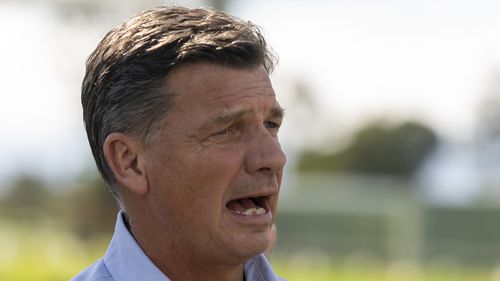
Federal Opposition Leader Angus Taylor agreed, saying Australia needed to get its hands dirty and produce more oil.
“We’ve got to get more oil out of the ground,” he said.
“We’ve got to drill, drill, drill.”
NEVER MISS A STORY: Get your breaking news and exclusive stories first by following us across all platforms.


