Share this @internewscast.com

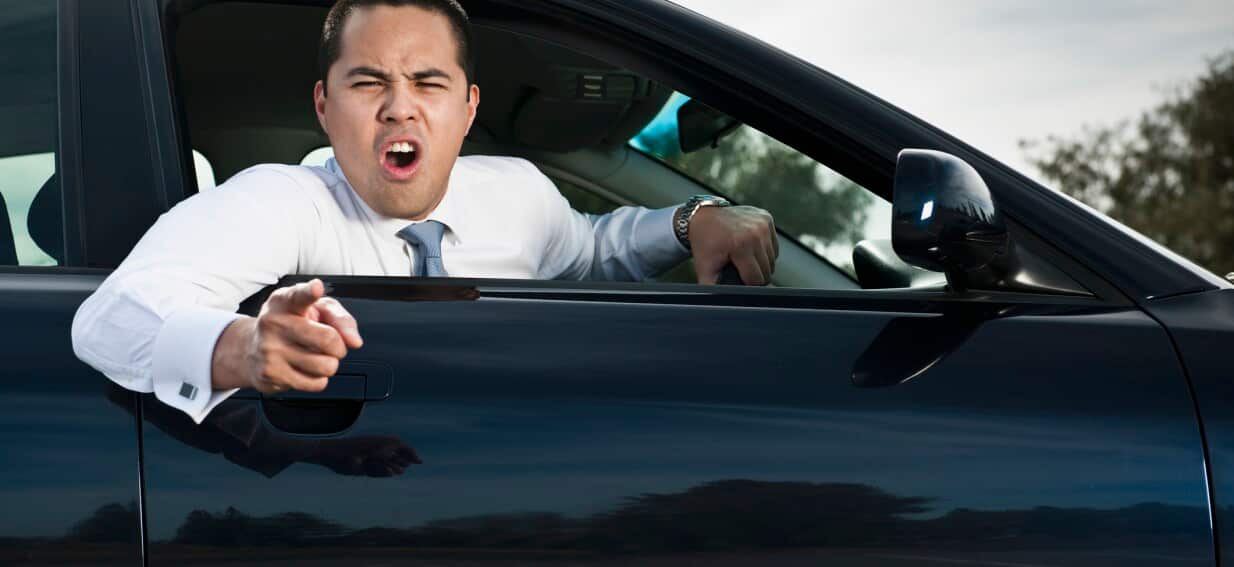
Australians are surprisingly swearing less online than other countries but researchers suspect the nation is saving it for face-to-face interactions.
The University of Queensland study examined more than 1.7 billion words of online content across 20 English-speaking countries, specifically looking for 597 vulgar words.
Using computational methods with linguistics, researchers narrowed down which country was swearing the most online, looking at the frequency of vulgar words.

Even though Australians hold a broad reputation for swearing regularly, the US came out on top for online swearing, followed by the UK.

“Some may find it disappointing,” said Martin Schweinberger, lead researcher from the university’s school of languages and cultures.
“Australians really see vulgarity, swearing and slang as part of our culture — we’re very invested in it.”
Swear words are normalised in Australia’s everyday language with even tourism campaigns featuring them, including the famed slogan “So where the bloody hell are you?” asked by model Lara Bingle.
Canada barred the ad from being shown during family television programs over its use of the word hell. The UK barred it from TV and billboards over the word bloody (the ad was later allowed to be shown after 9pm) and the ad was censored in Singapore.
Victoria’s Transport Accident Commission also used a road safety campaign with the phrase: “If you drink, then drive, you’re a bloody idiot”.

Schweinberger proposed that Australia might have missed out on claiming the top spot for online profanities because Australians tend to be more reserved in their online communication, opting instead to use profanity in face-to-face interactions.

“Our study suggests Australians might still live up to our popular image of having unusually rich and inventive ‘bad’ language,” he said.
“Especially thanks to our very public and colourful airing of swear words — this is something that’s often remarked upon by overseas visitors to the country.”
Schweinberger said this is the first large-scale analysis of its kind to determine how offensive language was used in English-speaking countries.
The research was published in science journal Lingua.

Share this @internewscast.com
You May Also Like

Victoria and Tasmania Launch Free Public Transport Initiatives, While Other States Lag Behind

In Brief Victoria’s public transport users will get free travel for a…
Trump threatens to wipe out critical Iranian island if deal isn't reached 'shortly'

Trump Issues Ultimatum: Iranian Island’s Fate Hinges on Swift Deal Resolution

US President Donald Trump has threatened widespread destruction of Iran‘s energy resources…
Apple almost went broke – now it's celebrating 50 years

Apple Overcomes Financial Struggles to Celebrate 50 Years of Innovation

Apple’s journey from the brink of collapse to becoming one of the…
Cash supporters are calling on the federal government to expand the cash mandate.

New Cash Mandate Targets Major Retailers: Bunnings and McDonald’s to Accept Physical Currency

Pro-cash advocates are calling on the federal government to expand the cash…
Dezi Freeman's friend says he thought fugitive had died seven months ago

Shock Revelation: Fugitive Dezi Freeman Was Presumed Dead by Friends Seven Months Prior

One of Dezi Freeman’s close friends says he believed the fugitive was…

Unmasking the Beneficiaries: How Your Outrage Fuels Profit in the Digital Age

SBS respectfully recognizes the traditional custodians of the lands across Australia. I…

Nationwide ‘No Kings’ Rallies: Thousands Unite Against Trump in Powerful Protest Movement

In Brief The protesters called for action against the bombardment of Iran…

Pakistan Proposes Hosting Peace Negotiations Amid Continued Middle East Conflict

In brief Pakistan said it was preparing to host “meaningful talks” to…
FILE - A KitKat chocolate bar in Rugby, England, on July 25, 2018. (AP Photo/Martin Cleaver, File)

Twelve Tonnes of KitKat Bars Stolen in Major Chocolate Heist

Swiss food giant Nestlé says about 12 tonnes, or 413,793 candy bars,…
Finder has revealed 12 per cent of Australians felt the regret when faced with a minor health matter such as a dental visit.

One-in-Five Australians Regret This Common Financial Blunder: Survey Insights

One-in-five Australians regret not taking out private health insurance after being stung…

Tragic Porepunkah Shooting: Unraveling the Events Leading to Cop-Killer’s Demise

The elusive manhunt for a fugitive, believed to be Freeman, has concluded…
An aerial image of the Walwa property where Dezi Freeman was reportedly located this morning.

Son of Convicted Cop Killer Condemns ‘Disgusting’ Remarks About His Father

A man identifying himself as Dezi’s oldest son, Koah, expressed anger on…