
Share this @internewscast.com
In a recent landmark decision, the court declared that numerous import taxes initiated by former President Trump, without the requisite approval from Congress, were unconstitutional. This ruling has cast a spotlight on the contentious tariffs, which were implemented during Trump’s presidency to leverage trade negotiations with other countries.
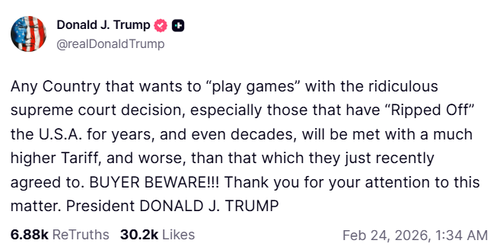
In response to the court’s decision, Trump took to social media, urging other nations to adhere to the tariff agreements that they may have previously established with the United States. His insistence underscores the complexities surrounding international trade agreements and the impact of judicial decisions on such arrangements.
Under the terms of the ruling, these contentious tariffs are set to expire in 150 days, unless Congress steps in to authorize them. However, securing such approval could prove challenging for the current administration, as legislators are increasingly focused on the looming midterm elections and the potential political fallout of supporting these tariffs.
Amidst this backdrop, three Senate Democrats are advocating for the government to begin refunding an estimated $175 billion, equivalent to approximately $248 billion in tariff revenues, collected under these now-invalidated taxes. Their call for action highlights the financial implications of the court’s decision and raises questions about economic justice and restitution.
Yet, the court has left the issue of refunds unresolved, leaving many wondering about the fate of the funds already amassed through these import taxes. As the situation unfolds, stakeholders across the political and economic spectrum are watching closely to see how the government will address this significant financial conundrum.
So what’s going to happen to the money the government has already collected in import taxes now declared unlawful?
When the smoke clears, trade lawyers say, importers are likely to get money back – eventually. Still, the path to refunds could prove chaotic.
The Democrats’ proposed bill would require US Customs and Border Protection to issue refunds over the course of 180 days and pay interest on the refunded amount, prioritising refunds to small businesses.
With Associated Press.
NEVER MISS A STORY: Get your breaking news and exclusive stories first by following us across all platforms.