
Share this @internewscast.com
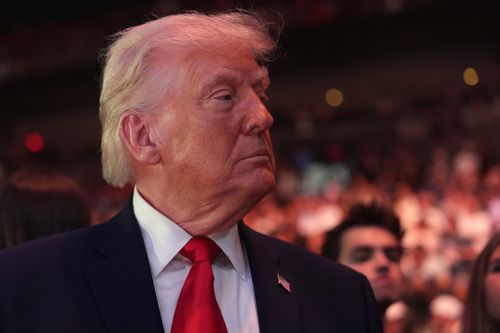
Before the onset of hostilities, former President Donald Trump aimed to gain strategic control over a crucial maritime route, one that facilitates the transport of 20 percent of the world’s oil supplies. This move was intended to diminish Iran’s economic influence, a key factor in its wartime strategy.
Trump declared that he had instructed the U.S. Navy to intercept any vessels operating in international waters that had paid Iran for passage, thereby attempting to undermine Iran’s economic stronghold.
US moves to shift status quo in Strait of Hormuz
The United States and Iran approached negotiations with vastly different agendas and presumptions about their negotiating power to bring an end to the conflict. Even before talks commenced, the fragile ceasefire faced threats from significant disagreements, exacerbated by Israel’s persistent assaults on Hezbollah, an Iranian-backed group in Lebanon.
In anticipation of the discussions, Iran presented a 10-point plan demanding an assured cessation of hostilities and control over the Strait of Hormuz. Central to their proposal was the cessation of Israeli offensives against Hezbollah, highlighting the importance of safeguarding their regional allies.
Conversely, sources from Pakistan disclosed to The Associated Press in March that the U.S. had proposed a 15-point plan. This included mechanisms for monitoring and a reduction in Iran’s nuclear activities, alongside the reopening of the Strait of Hormuz. These officials, who spoke anonymously as they were not authorized to release details, shed light on the complex nature of the negotiations.
Iran’s ability to close the Strait has indeed been its most significant strategic advantage throughout the conflict, serving as a critical leverage point in the ongoing war dynamics.
During the talks, the US military said two destroyers transited the critical waterway ahead of mine-clearing work, a first since the war began. Iran’s state media, however, reported the country’s joint military command denied that.
“We’re sweeping the strait. Whether we make a deal or not makes no difference to me,” Trump said as talks extended into early Sunday morning.
Israel presses ahead in Lebanon
The impasse raises new questions about fighting in Lebanon. Israel has pressed ahead with strikes since the ceasefire was announced, saying the agreement did not apply there. Iran and Pakistan claimed otherwise.
Lebanon’s state-run National News Agency reported six people were killed on Sunday morning in an Israeli strike in Maaroub, a village near the southern coastal city of Tyre. Though Israel’s strikes over Beirut have calmed in recent days, its attacks on southern Lebanon have intensified alongside a ground invasion it renewed after Hezbollah launched rockets toward Israel in the opening days of the Iran war.
Negotiations between Israel and Lebanon are expected to begin Tuesday in Washington, Lebanese President Joseph Aoun’s office has said, after Israel’s surprise announcement authorising talks despite the lack of official relations between the countries. Protests erupted in Beirut on Saturday over the planned negotiations.
Israel wants Lebanon’s government to assume responsibility for disarming Hezbollah, much like was envisaged in a November 2024 ceasefire. But the militant group has survived efforts to curb its strength for decades.
The day the Iran ceasefire deal was announced, Israel pounded Beirut with airstrikes, killing more than 300 people in the deadliest day in Lebanon since the war began, according to the country’s Health Ministry.
NEVER MISS A STORY: Get your breaking news and exclusive stories first by following us across all platforms.