Share this @internewscast.com
Key Points
- Nicolás Maduro has pleaded not guilty to a range of criminal drug charges in New York.
- The US government’s evidence against him has yet to be unveiled.
- The deposed Venezuelan president is being represented by Julian Assange’s former lawyer.
The once-powerful Venezuelan President Nicolás Maduro, along with his wife Cilia Flores, is now at the center of serious legal proceedings, facing significant charges linked to drug trafficking activities.
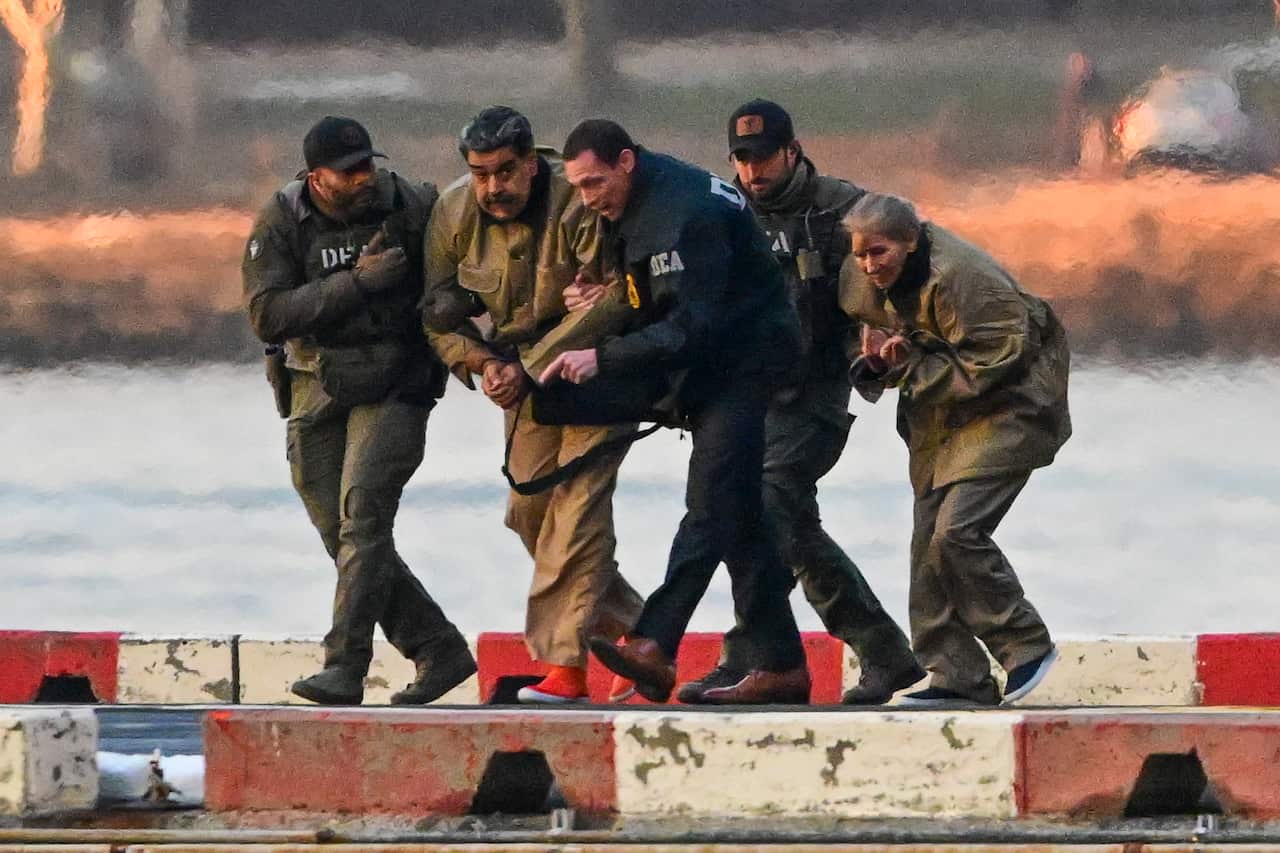
According to official sources, Flores is accused of orchestrating kidnappings and murders. Additionally, she allegedly accepted bribes in 2007 to facilitate a meeting between drug traffickers and Néstor Reverol, the then-director of Venezuela’s National Anti-Drug Office.
The prosecution is expected to bring forward key witnesses, including former high-ranking Venezuelan officials who are currently serving time in U.S. prisons. Among them is Hugo Carvajal Barrios, a former military intelligence chief, who confessed to narco-terrorism offenses in 2025. Another potential witness is Cliver Alcalá Cordones, a former general sentenced to over 21 years for his involvement in supporting the Revolutionary Armed Forces of Colombia back in 2024.
Maduro has entered a plea of not guilty to a four-count indictment. The charges allege that he led a conspiracy to channel cocaine into the United States, reportedly collaborating with armed guerrilla factions, drug cartels, and international criminal organizations.
How strong is the case against Maduro?
The prosecution could call, as witnesses, former senior Venezuelan officials currently in US jails — Hugo Carvajal Barrios, a former Venezuelan military intelligence chief, who admitted to narco-terrorism charges in 2025. Another could be Cliver Alcalá Cordones, a former Venezuelan general who was sentenced to 260 months in prison for providing material support to the US-designated Revolutionary Armed Forces of Colombia in 2024.
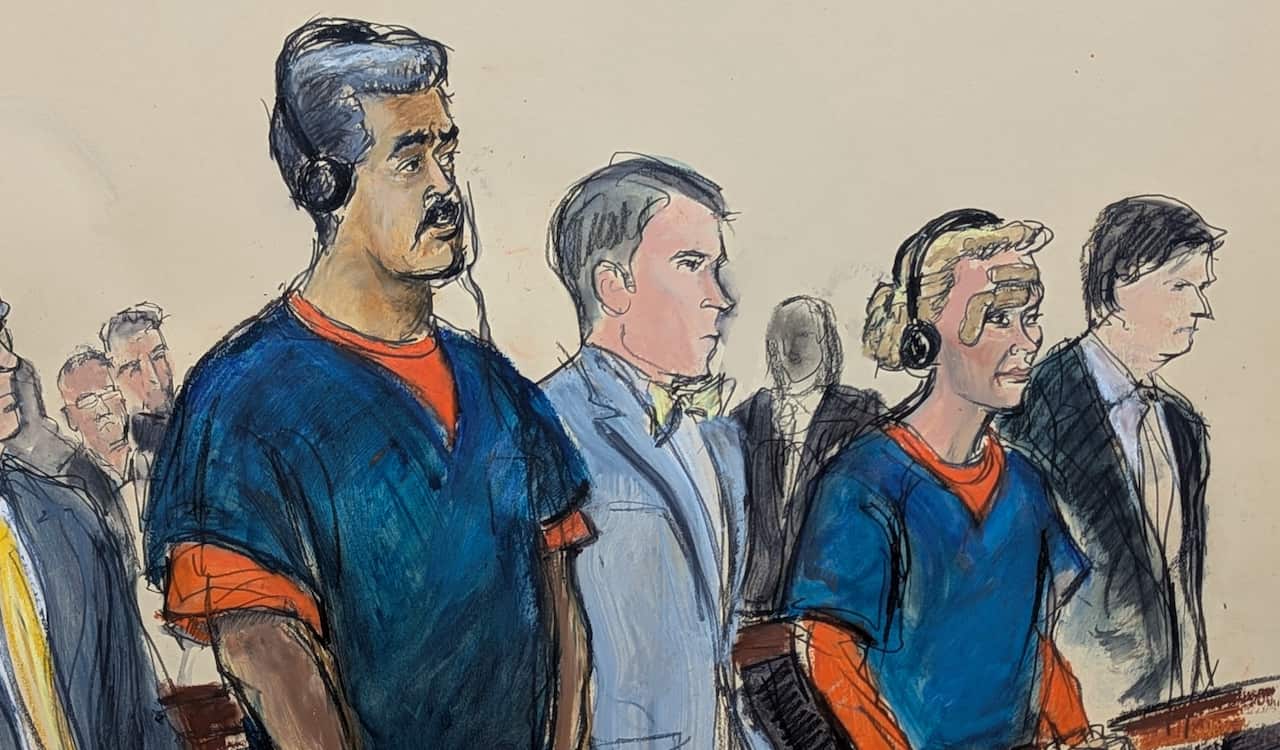
Nicolás Maduro pleaded not guilty to a four-count indictment accusing him of leading a conspiracy to funnel cocaine into the United States, including by working with armed guerrilla groups, drug cartels and international gangs. Source: AAP / AP / Elizabeth Williams
Markus Wagner, an expert on US constitution law at the University of Wollongong, said the evidence in those cases could be used in the Maduro trial.
He said it’s unclear what evidence US prosecutors have against Maduro, on how they allege the Venezuelan leader facilitated both the transportation of drugs and the growth of narco-terrorist groups.
“But that’s not a crime. They’ve alleged that he facilitated it, that he was involved in it, and that’s a whole different story.”
“I think they’re going to have a heck of a time getting admissible evidence against him, and … they could end up very sorry that they brought him back to New York for trial, because it could turn into a humiliation for the government,” he said.
How will Maduro defend himself?
But that’s complicated by a historic precedent: a US court’s rejecting an immunity argument from then-Panama leader Manuel Noriega, who, like Maduro, was accused of conspiring to smuggle drugs into the US and was captured in a US military raid in 1990.
Maduro could also argue on procedural grounds, including the legality of the manner in which he was brought before the court: his capture by US forces.
“It gives sort of carte blanche to US governments to abduct someone, and as long as they can capture that person, courts will not stand in the way.”