Share this @internewscast.com
Insight speaks with tech enthusiasts and abstainers, and those experiencing tech addictions — asking, are we too reliant on our digital devices? Watch Insight episode Your Brain On Tech on SBS On Demand.

Thumbnail of Your Brain On Tech

In October 2018, I was admitted to the hospital for the 13th time in two years for autoimmune disease lupus-related infections.
I had agonising back pain that caused me to scream whenever I breathed; my lung had collapsed, and I had pneumonia.

After a week, I was discharged and went home with another course of antibiotics. However, my recovery would soon take a dire turn.

I was making lunch for myself one day in the weeks following my release from hospital, and I remember standing over the stove, not feeling well. I felt dizzy and weak but couldn’t quite put my finger on why.
Given my history of poor health, I was used to feeling crappy. But as a result, I sometimes struggled with identifying what is ‘normal’ or life-threatening for my ailing body.

This is where my smartwatch came in.

I sat down with my bowl of pasta and thought to check my smartwatch for my heart rate. It was 131bpm. I do love my carbs, but that was abnormal — even for me.
I ate a few mouthfuls and started to feel worse. I checked my heart rate again — it was now 145bpm.

As a normal resting heart rate for adults generally is between 60-100bpm, it was time to call triple-zero.

‘My face felt like it was on fire’

In the ambulance, I was shaking and shivering with a temperature of around 40C.
My face felt like it was on fire, my heart was racing, and my resting heart rate reached 189bpm.
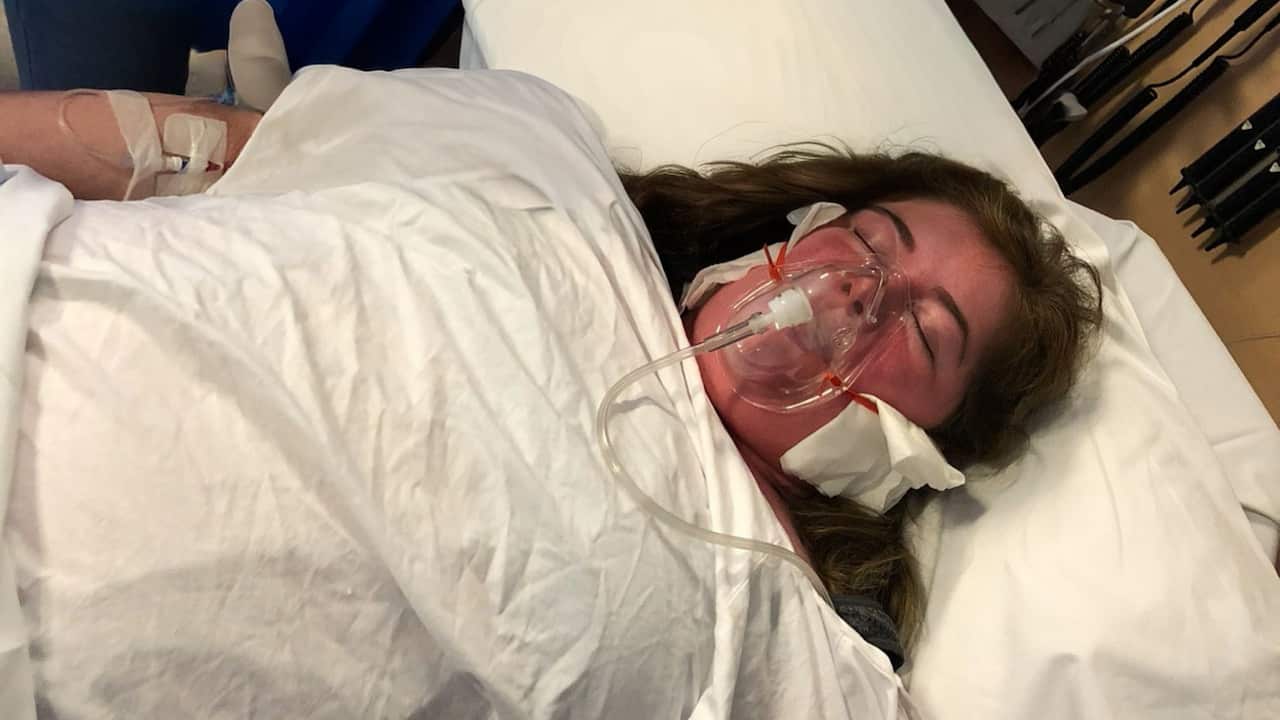
At the hospital, doctors did bedside scans to figure out what was wrong with me while also trying to stabilise me with multiple IV drips.

This was now the 14th hospital admittance I had had in two years for lupus-related issues.

a young woman in a hospital bed with an oxygen mask over her mouth and an IV drip going into her arm

Corinne during her hospitalisation for septic shock. Source: Supplied

My mum was there holding my hand. And I told her: “If you have a choice, please let me go, Mum — I can’t do this anymore.” This is when my memory of that incident ends.

I had septic shock, which was a complication from a collapsed lung and pneumonia paired with my chronic conditions.

And I truly believe that heeding the smartwatch’s warning saved my life.

Seizures and smart speakers

The months of recovery was both physically and mentally challenging but the decision to buy another smartwatch when my old one eventually died was easy.
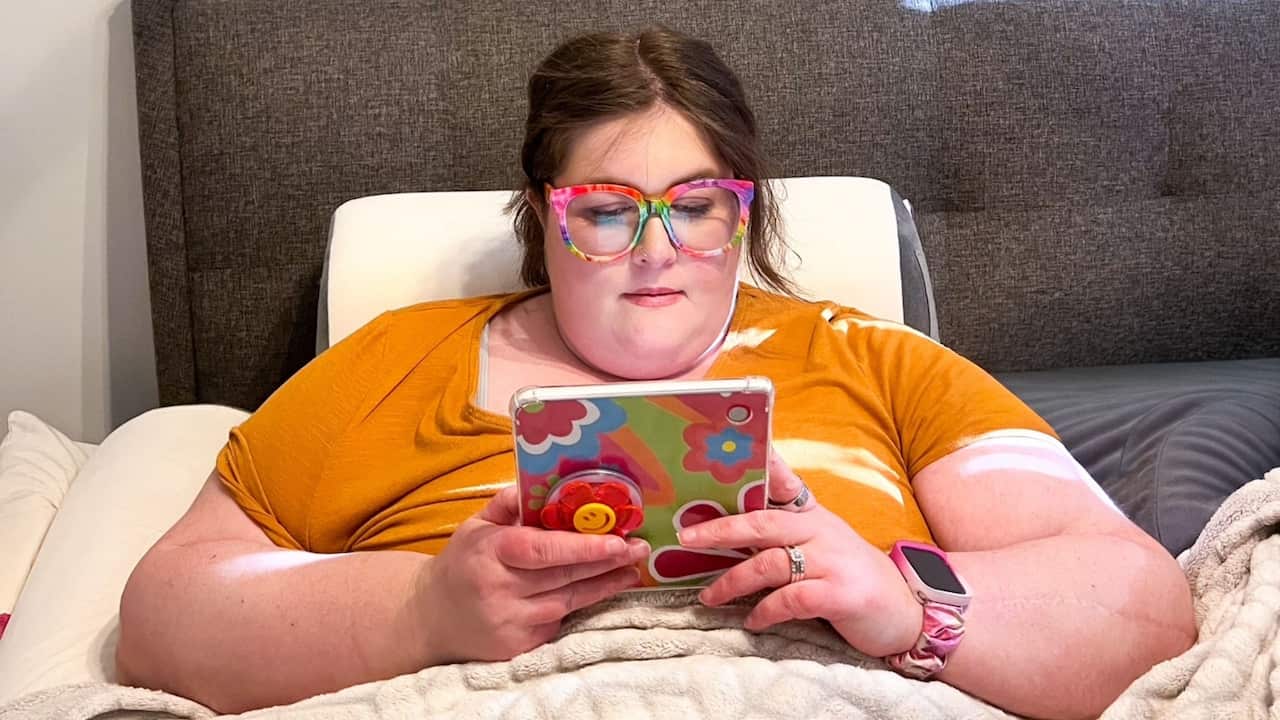
As someone with multiple chronic illnesses, I find technology really helps me to understand my body in the day-to-day.

While the data from these devices might not be entirely precise, the insights they offer assist in interpreting the ‘unique language’ my body communicates. I believe this technology serves as a valuable translator for my body’s signals.

a woman in a yellow t shirt and rainbow glasses is tucked up in bed using a tablet

Corinne says she finds tech helpful in managing her chronic health conditions. Source: Supplied

I also experience seizures with my condition. As a safety measure, my husband and I have set up several smart speakers in different rooms of the house — including the bathroom.

This means that I can listen to music to distract myself from the worry of having a seizure while showering. It also allows me to tell the built-in AI assistant to call my husband when I feel a seizure coming on.

Showering used to be a very vulnerable part of the day, but now I have some peace of mind that help can come.

‘Tech is not inherently good, nor evil’

I know that for many, the thought of integrating more technology into our everyday lives can cause concern over potential over-reliance.
My view on this is that tech is here to stay and we are living in modern times. We can choose to embrace it or reject it in our own lives — but it won’t change its prevalence in the world.
I mostly use tech devices as safety precautions in managing my health (with smatterings of social media for work and connecting with loved ones — where my disabilities often preclude me from doing so physically).

I’m excited for the future of technology and to see in which ways it can benefit me.

I believe it is our choice as to the roles digital devices play.
It’s your choice to pick them up, and it’s your choice what you do when you’re on them. If you put your phone down, it’s not going to jump back into your hand.
Tech is not inherently good, nor evil — that’s a hill I’ll die on — but hopefully not anytime soon.
Share this @internewscast.com
You May Also Like
Michelle Stalimeros (pictured) grew up in a 'chaotic' home where alcohol was woven into family life

Weekend Wine Habit Triggered Blackouts and Anxiety, Straining Marriage; Reflecting on Three Years of Sobriety

At first glance, Michelle Stalimeros appeared far from someone struggling with alcohol.…

Unpacking the Key Issues in the NDIS Overhaul

In Brief Roughly 160,000 Australians are set to lose access to the…
Treasurer Jim Chalmers handed down the Budget on Tuesday night, boasting of a $9.3 billion surplus driven by a strong labour market and increased commodity prices

Budget 2024 Unveiled: $300 Cash Boost for Australians, Student Debt Forgiveness, Tax Cuts, and New Travel Policies by Albanese Government

In a strategic move to garner voter support ahead of elections, the…
Several beaches south of Sydney have been closed after a dead whale washed up onto the shore.

Whale Tragedy: Dead Whale Prompts Closure of Several Sydney Beaches

Several beaches located just south of Sydney have been shut down after…
Anzac soldiers

Partial Remains of Australian Soldiers from WWI Finally Laid to Rest Over a Century Later

The partial remains of eight Australian soldiers have been laid to rest…

Woolworths Executive Announces Price Reductions Amid Evolving Inflationary Challenges

In brief: The supermarket giants are before Federal Court over accusations of…

Fluctuating Fuel Costs, Employment Trends, and a New Tax Incentive: Key Insights You Need to Know

This week has been a whirlwind of events. Global markets experienced heightened…
Benjamin Netanyahu

Israeli Prime Minister Netanyahu Discloses Secret Cancer Treatment Amidst Political Turmoil

Israeli Prime Minister Benjamin Netanyahu quietly underwent treatment for prostate cancer, he…
Jade Elston

Adelaide Family Turns to Crowdfunding for Son’s Urgent Cancer Treatment: A Community’s Call to Action

An Adelaide family has found themselves seeking help from the kindness of…

Lebanon’s Pivotal Role: How Its Future May Shape Regional Conflict Dynamics

in brief World leaders have called for peace talks to take place…
Former New Zealand all-rounder admitted using cocaine after day one of Essex match before returning positive drug test

New Zealand Cricketer Faces Suspension for Cocaine Use During Match

Doug Bracewell, a former cricketer for New Zealand, has been given a…

Australian Women Confront Tough Decisions Amid National Crisis

in brief Experts are warning that the cost of living crisis is…