
Share this @internewscast.com
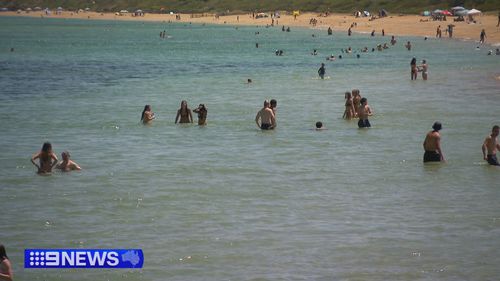
Temperatures soared to nearly 50 degrees in the northwestern regions of the state, while Melbourne experienced a scorching high of 45.6 degrees in its suburban areas.
The small towns of Hopetoun and Walpeup shattered their heat records, reaching 48.9 degrees and surpassing the previous record of 48.8 degrees set during the 2009 Black Saturday Bushfires.
More than 100,000 without power
Energy and Resources Minister Lily D’Ambrosio announced that the state had set a new 17-year high for electricity demand. Despite the surge, the independent market operator assured there were sufficient power reserves to handle the demand.
Yet, around 106,000 homes and businesses were without power as of 8:30 p.m.
“These outages are due to a combination of factors, including bushfires damaging electrical infrastructure, fallen trees on power lines, and heat-induced equipment failures,” the minister explained.
“Extra crews have been deployed to tackle these outages and will work to restore power as quickly as possible,” she added.
About 11pm, AusNet reported about 45,000 customers impacted from Melbourne’s east to the NSW border and Powercor showed 11,000 outages in inner-east Melbourne and near Bendigo, Geelong, Shepparton and the Otways.
Powercor said the network had suffered a range of different faults including weather, a vehicle collision and trees falling on lines.
Tennis Australia introduced the heat stress scale in 2019, measuring air temperature, humidity, radiant heat and wind speed.
Temperatures across the state will gradually fall as the cool change passes from the south-west.
It should reach Melbourne about 9pm and hang around tomorrow, where the city is set for a top of 24 degrees.
Temperatures in northern Victoria are expected to remain in the mid 40s until Sunday.
NEVER MISS A STORY: Get your breaking news and exclusive stories first by following us across all platforms.