
Experiencing hand and wrist pain can be particularly frustrating and disruptive, impacting daily activities such as typing, cooking, or even holding a pen. Two prevalent causes of this pain are carpal tunnel syndrome and arthritis. Though they may share some symptoms, understanding their differences is crucial for finding effective relief.

What Causes Carpal Tunnel vs. Arthritis?
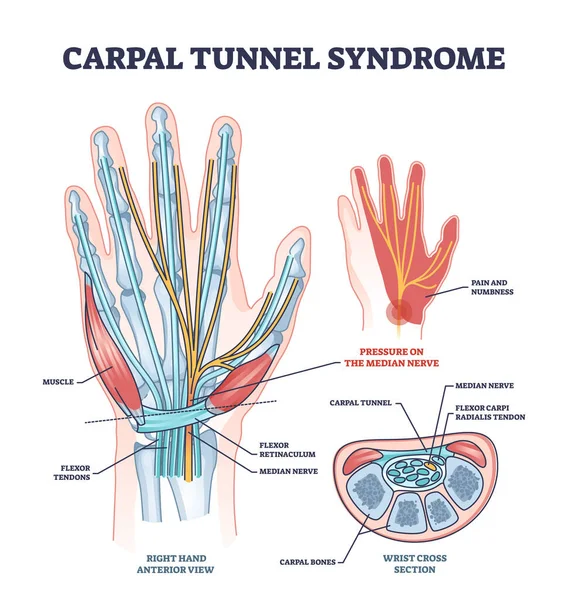
According to Dr. Kate Wilkins Nellans, a board-certified, fellowship-trained hand surgeon at North Shore University Hospital and Long Island Jewish Medical Center, carpal tunnel syndrome (CTS) happens when the carpal tunnel—a narrow wrist passageway—becomes swollen or compressed, exerting pressure on the median nerve. This pressure interferes with nerve signals, leading to numbness, tingling, and weakness in the hand. Typical causes include repetitive hand movements, wrist positioning, obesity, diabetes, and fluid retention resulting from hormonal changes or certain medical conditions.
Conversely, arthritis refers to inflammation or degeneration of the joints. The most commonly affected types in the wrist and hand are osteoarthritis (OA), which involves cartilage deterioration over time, and rheumatoid arthritis (RA), an autoimmune disorder causing joint inflammation and damage. Factors such as hormonal influences, genetics, joint anatomy, and lifestyle play a role in arthritis development, with women facing higher risk due to smaller joint size, hormonal fluctuations, and genetic factors.
How to Tell the Difference Between Carpal Tunnel and Arthritis
While both conditions cause hand pain, their symptoms differ in notable ways:
- Carpal Tunnel Syndrome: Characterized by numbness, tingling, and burning sensations primarily in the thumb, index, middle, and part of the ring fingers. Patients often experience weakness and a tendency to drop objects. Symptoms may worsen at night or with wrist flexion.
- Arthritis: Presents as joint pain, swelling, stiffness, and sometimes visible deformities. The pain is usually localized to the joints themselves and may be accompanied by reduced range of motion. Morning stiffness lasting over an hour is common in inflammatory arthritis like RA.
- Dr. Scott Fried, a hand and upper extremities orthopedic surgeon and president of Doctor In The House, notes that arthritis can sometimes lead to carpal tunnel syndrome because joint inflammation and swelling may narrow the carpal tunnel, increasing pressure on the median nerve.
Why Are These Conditions More Common in Women?
Women are more susceptible to both carpal tunnel syndrome and arthritis for several reasons. Hormonal fluctuations, especially involving estrogen and progesterone, can affect joint cartilage health and fluid retention. For instance, pregnancy and menopause often trigger swelling that reduces space in the carpal tunnel, increasing nerve compression risk.
Moreover, women generally have smaller joints and less cartilage cushioning, making their joints more vulnerable to wear and tear. Genetics and anatomical differences, such as wider pelvises affecting joint alignment, also contribute to a higher prevalence of arthritis among women. Misdiagnosis and delayed treatment further exacerbate these conditions in females.
How to Ease Carpal Tunnel Syndrome
Managing carpal tunnel syndrome often begins with conservative measures:
- Wearing wrist splints, especially at night, to keep the wrist in a neutral position and reduce nerve pressure.
- Taking breaks from repetitive hand activities and modifying ergonomics to avoid wrist strain.
- Applying cold packs to reduce inflammation.
- Using nonsteroidal anti-inflammatory drugs (NSAIDs) for pain relief.
- Physical therapy exercises to strengthen and stretch the wrist and hand muscles.
In persistent or severe cases, corticosteroid injections or surgical release of the carpal tunnel may be necessary.
How to Ease Wrist Arthritis Pain
Relief for arthritis focuses on reducing inflammation and preserving joint function:
- NSAIDs to alleviate pain and swelling.
- Regular low-impact exercises like swimming or hand stretches to maintain mobility.
- Heat therapy to soothe stiff joints.
- Occupational therapy to learn joint protection techniques.
In advanced cases, corticosteroid injections or surgery such as joint replacement may be considered.
What Works for Both Conditions?
Some treatments can benefit both carpal tunnel syndrome and arthritis:
- Splinting: Supports the wrist, reducing strain and inflammation.
- Activity modification: Avoiding repetitive motions or positions that exacerbate symptoms.
- Anti-inflammatory medications: Help reduce pain and swelling in both nerve and joint issues.
- Physical therapy: Tailored exercises improve strength and flexibility.
- Lifestyle changes: Maintaining a healthy weight and managing underlying conditions like diabetes or thyroid disorders can reduce symptom severity.
Conclusion
Distinguishing between carpal tunnel syndrome and arthritis is essential for effective treatment and relief. While both cause hand and wrist discomfort, their causes, symptoms, and management strategies differ. Women are particularly vulnerable to these conditions due to hormonal, anatomical, and genetic factors. Consulting a hand specialist can provide a tailored diagnosis and treatment plan, helping patients regain hand function and improve quality of life.
If you experience persistent numbness, tingling, joint pain, or stiffness, seek medical evaluation promptly. Early intervention can prevent progression and preserve hand health, allowing you to continue your daily activities with comfort and confidence.
Also Read | Can You Reverse Type 2 Diabetes? See How Tabitha Did It in 3 Months
We offer the most up-to-date information from top experts, new research, and health agencies, but our content is not meant to be a substitute for professional guidance. When it comes to the medication you’re taking or any other health questions you have, always consult your healthcare provider directly.