
The way someone reacts after being caught cheating may offer a major clue about whether the betrayal was a one-time mistake or part of a damaging pattern that could happen again, relationship experts warn.
Although serial infidelity is often dismissed as a sign of an outsized sex drive, New York psychotherapist and sex therapist Chamin Ajjan says the reasons behind repeated cheating are usually far more complex.
Speaking to the Daily Mail, Ajjan explained that chronic affairs can be linked to compulsive behavior, unresolved trauma and, in some cases, an effort to manage intense emotional pain rather than simply chase sexual gratification.
‘There might be underlying trauma, and they might be using sex as a way to numb past childhood trauma or the pain that they’ve experienced in the past,’ Ajjan said.
‘It’s more of an act of regulation and a way to calm their nervous system, and it’s less about pleasure.’
According to Ajjan, one of the strongest indicators separating a person who made a single catastrophic choice from a serial cheater is what happens once the truth comes out.
Someone involved in an isolated affair may quickly show genuine remorse and take responsibility, while a habitual cheater is more likely to downplay the harm, shift blame onto their partner or focus more on the humiliation of being discovered than on the betrayal itself.
In some cases, serial cheaters may also feel entitled to seek affairs or become hooked on the adrenaline, secrecy and danger of trying to get away with infidelity.

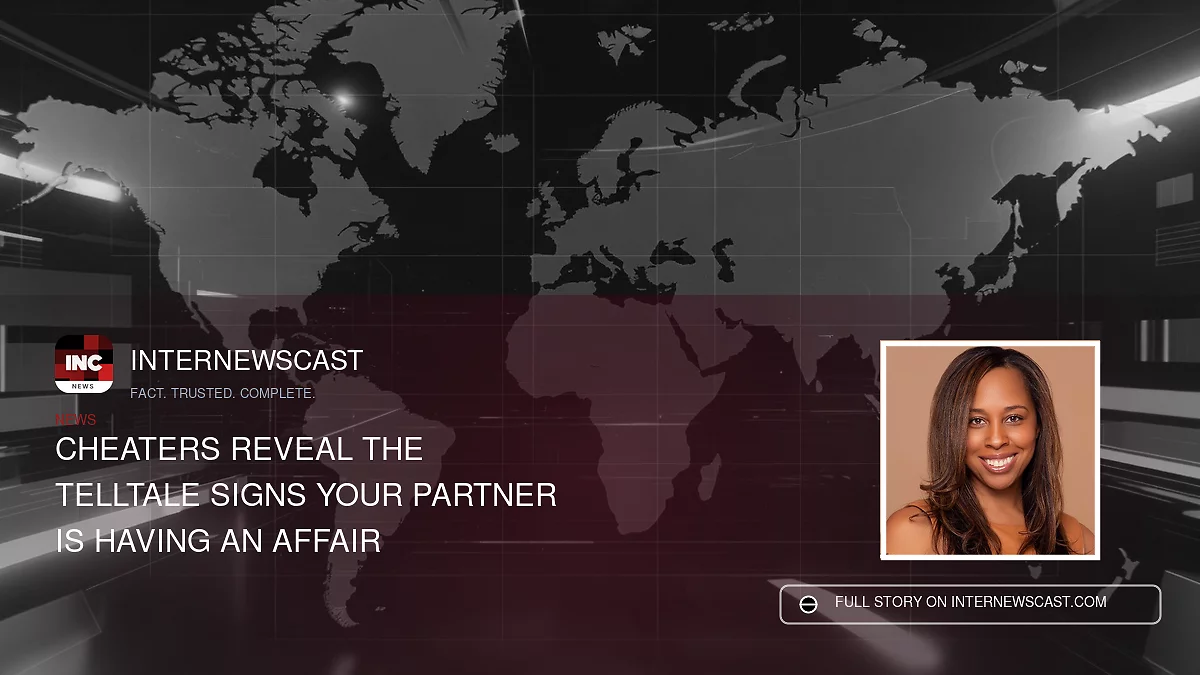
Chamin Ajjan (Pictured) is a psychotherapist in New York who has practiced couples and sex therapy for over 20 years. She said serial cheaters may be suffering from underlying trauma
In some cases, the forbidden nature of the act itself becomes part of the appeal. Ajjan said there can also be a neurochemical component driving the behavior.
‘They have a higher reward sensitivity, meaning that they’re chasing dopamine, and the behavior – the sexual indiscretion is more like a neurobiological itch that they were struggling to inhibit,’ she explained. ‘They’re just really having a difficult time managing.’
Ajjan, who has practiced couples and sex therapy for more than 20 years, said one of the first clues someone may be cheating is a dramatic change in their behavior.
But contrary to popular belief, that shift is not always negative.
While some people become distant, critical or argumentative, others suddenly become unusually attentive, showering their partner with gifts, compliments and affection in what can appear to be an effort to compensate for their guilt, she explained.
‘It’s a complete shift in the level of affection. So, all of a sudden, they are showering you with gifts. Or they’re intensely, overly affectionate, or giving you strange or unusual compliments,’ Ajjan said.
Years of working with couples have also taught her to recognize another ‘clear indication’ that someone may be cheating: an unexpected change in the couple’s sex life.

Someone who cheats once may show immediate regret, while a serial offender often feels little remorse for the hurt they caused, shifts the blame onto their partner and regrets only being caught
Sometimes that means a partner suddenly loses interest in intimacy. In other cases, the opposite happens.
‘Your therapy senses are activated when a couple who has had a pretty regular, sexual, or intimate routine [and] there’s a sharp change in that.’
‘They, all of a sudden, have intense sexual energy out of nowhere, or they’re using new sexual moves or techniques. Or showing preferences in things that they never were interested in before, without it being a conversation that you’re having.’
Another subtle warning sign is an unexplained personality shift.
A partner who once seemed easygoing may suddenly become overly critical, picking fights over insignificant issues or constantly pointing out flaws.
Ajjan said this behavior can create emotional distance while allowing the unfaithful partner to justify their own actions by convincing themselves their significant other is somehow to blame.
Infidelity remains one of the most common reasons people seek therapy, according to Ajjan.
However, she said she more often works with individuals trying to understand why they were betrayed than with couples attempting to repair the relationship together.
She added that every relationship defines cheating differently.
While many people view physical affairs as the ultimate betrayal, others are more troubled by what has become known as ‘micro-cheating,’ where someone develops an intimate emotional connection online without ever becoming physically involved.
Ajjan said some clients have even told her they would be less upset if their partner had a one-time sexual encounter than if they discovered months of secret emotional conversations.
‘It’s not for me to tell the client what is and what is not cheating. It’s for me to help them understand how the behavior has impacted them,’ the therapist explained.
‘I could see how each one of those behaviors can be damaging. Damaging to a sense of self, damaging to the relationship. And there are some people who have a partner who’s cheating physically, and to them, it doesn’t impact them,’ she continued.
‘So, in therapy, we often have a saying, if it’s not a problem, it’s not a problem.’
Although discovering an affair can devastate a relationship, Ajjan said it does not always have to signal the end.
In some cases, she has seen couples emerge stronger after confronting the underlying issues that contributed to the betrayal.

A once-easygoing partner may suddenly criticize you or pick petty fights, creating distance while convincing themselves that you are to blame for their betrayal
One of the first steps she recommends is what her practice calls ‘temporary transparency.’
That can include open-device policies, sharing locations and being more forthcoming about daily routines while trust is gradually rebuilt.
But she warned against allowing those measures to become permanent surveillance.
‘People do it on their Snapchat, which can be problematic if a partner is on Snapchat, because often that serves as a way to have those quick, inappropriate conversations,’ she explained.
Instead, she said something as simple as leaving phones face-up can help demonstrate there is nothing to hide without creating an unhealthy dependence on constant monitoring.
Ultimately, rebuilding a relationship requires understanding what drove the affair in the first place rather than focusing solely on the act of cheating itself.
‘The indiscretion didn’t come out of nowhere, and it’s not necessarily about the partner, it’s about some kind of internal struggle that the client is dealing with, so spending time to understand what that connection gave the partner, what needs were being felt [and] filled by it.’
Ajjan believes infidelity is far more common than many people realize because those affected often suffer in silence rather than discussing it openly with friends or family.
‘As somebody who sees this happen all the time, don’t suffer in silence. It can feel very shameful to have your partner cheat on you, but it’s happened to more people than we know about, because people aren’t talking about it, so look for your support,’ she said.
‘Get the support you need, whether that’s individual therapy, or whether it’s just you’re within your community. Talk to people, and be open to the possibility, if you want, to repair your relationship, and your partner wants to repair your relationship. It is possible, it’s not easy, but it is possible.’