
Share this @internewscast.com
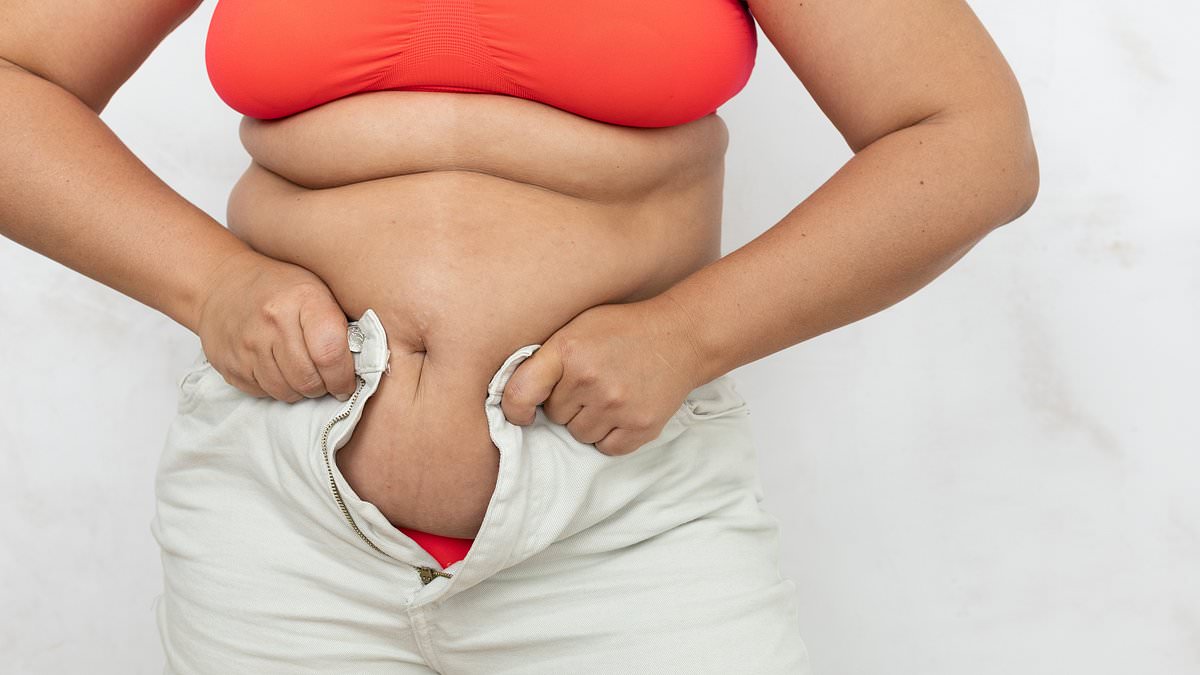
For years, the term “beer belly” has been widely used, with many attributing the roundness around the waist to excessive eating, a sedentary lifestyle, or the preference for beer over wine or spirits. However, new insights suggest that alcohol might play a more significant role than previously understood.
Recent research conducted in the UK has revealed that individuals consuming around one alcoholic drink per day are more prone to developing visceral fat, the type of fat that accumulates deep within the abdomen. This particular fat is strongly associated with increased risks of heart disease and type 2 diabetes.
Importantly, the study indicates that this effect is present even in individuals who are not considered overweight, highlighting that alcohol may influence fat distribution in the body beyond simply contributing additional calories.
These findings offer some of the most compelling evidence to date that regular alcohol consumption may indeed foster the development of a “beer belly,” irrespective of a person’s overall body weight.
Published in the International Journal of Obesity in 2026, this research analyzed data from nearly 6,000 adults aged 25 to 75, part of the Oxford Biobank. This extensive study is intended to provide a representative snapshot of the UK population.
The research, published in the International Journal of Obesity in 2026, analysed nearly 6,000 adults aged 25 to 75 from the Oxford Biobank, a large study designed to broadly reflect the UK population.
Participants were asked how much alcohol they drank each week, measured in standard UK units, with one unit equal to eight grams of pure alcohol.
Those drinking the least consumed up to four units a week – the equivalent to two pints of glasses or standard wine a week.

A major UK study has found that heavy alcohol consumption is linked to a dangerous build-up of visceral fat which significantly increases the risk of heart disease and diabetes
At the other end of the scale were men drinking between 17 and 98 units weekly, and women drinking between 10 and 50 units.
In everyday terms, 17 units a week equates to roughly six pints of average-strength beer or glasses of wine – about one drink a day.
Rather than relying on weight or waist size, researchers used detailed body scans to see how fat was stored inside the body.
These scans, known as DEXA scans, a type of X-ray, can show a precise analysis of the body’s primary components: fat, muscle, and bone.
Visceral fat is of particular concern as it surrounds vital organs such as the liver and pancreas.
It is far more harmful than the softer fat under the skin and is strongly linked to heart disease and diabetes.
The scans showed that as alcohol intake increased, so did the proportion of visceral fat. This link remained even after accounting for age, smoking, exercise levels, social background and total body fat.
Men in the highest drinking group carried up to 13.5 per cent more visceral fat than those drinking the least. Women in the top group showed a 17 per cent increase.
Standard measures such as waist size often failed to pick this up, meaning many people may appear healthy while carrying hidden risk.
The analysis also found that as people gained fat overall, heavier drinkers were more likely to store a disproportionate amount of it around their organs – a pattern associated with higher rates of heart disease and type 2 diabetes.
The findings sit uneasily alongside current drinking advice.
In the UK, the NHS advises men and women not to regularly drink more than 14 units a week, ideally spread over several days.
In the US, the Centers for Disease Control and Prevention defines moderate drinking as up to one drink a day for women and up to two drinks a day for men.
The study suggests that drinking at or near these levels may still encourage the build-up of metabolically harmful fat.
The researchers stress the study cannot prove alcohol directly causes this effect. Drinking levels were self-reported, and the analysis did not track people over time or look at different types of alcoholic drinks.
Even so, visceral fat is one of the strongest predictors of heart disease and type 2 diabetes, raising fresh questions about whether staying slim is enough to offset alcohol’s hidden risks.