A Texas woman who has been declared brain-dead will remain on life support while her family challenges plans to recover her organs, according to a temporary court order.
Doctors at Baylor Medical Center determined that 38-year-old Emanise Timothee was brain-dead at 2:10 p.m. on November 17.
As relatives dealt with the devastating news, hospital staff informed them that Timothee had registered as an organ donor in 2016.
Her family objected to the donation, setting off a legal dispute with Gift of Life Alliance (GOLA), the North Texas transplant organization involved in recovering donated organs.
GOLA maintains that Timothee’s documented decision is legally enforceable and cannot be overridden by her relatives, KTVT reported.
The hospital initially agreed to respect the family’s wishes and said it would not proceed without judicial approval. GOLA subsequently filed a lawsuit against the medical team on Thursday.
Dallas County Judge Staci Williams has since issued a temporary restraining order requiring Timothee to remain on a ventilator until the case returns to court, CBS News reported.
A hearing scheduled for December will address whether her organs can be recovered for donation.

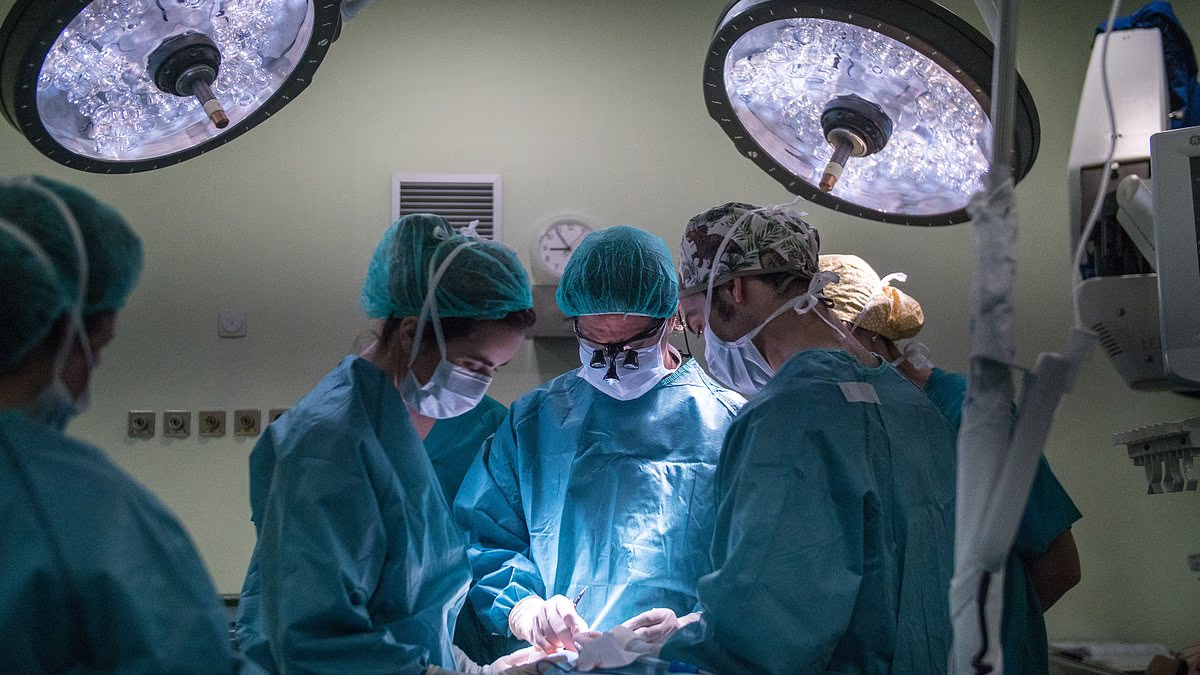
Emanise Timothee, 38, was declared brain-dead at Baylor Medical Center at 2:10 p.m. on November 17 (stock image)

Timothee registered as an organ donor in 2016, a decision Gift of Life Alliance says legally permits it to recover her organs

Her family has opposed the donation, prompting a legal dispute as she remains on life support pending the next hearing
Under the Texas Revised Uniform Anatomical Gift Act, hospitals are required to assist with organ donation proceedings even when a donor’s relatives object.
READ MORE: Gordon Ramsay Announced as Surprise New Host of BBC’s Top Gear
According to the lawsuit, Timothee had enrolled with the New York State Donate Life Registry to donate her heart, liver and lungs.
Her registration also covered her kidneys, intestines, pancreas, skin, blood vessels, bones, connective tissue, corneas and eyes for transplantation or medical research.
GOLA has argued that the court must resolve the matter urgently.
‘The family’s consent is not required, and its objection has no legal effect,’ GOLA stated in its lawsuit.
‘Every hour of delay threatens the medical viability of organs that could save the lives of several patients awaiting transplants.’
The judge’s order directs the hospital to ‘facilitate the recovery of the donor’s gifted parts.’
That includes ‘providing GOLA and its clinicians and recovery teams access to the donor, her medical records and the hospital’s operating rooms, staff and equipment as reasonably needed.’
Dr. Merrill Matthews, a medical ethicist at UT Southwestern, told CBS News that timing will be a central issue for the transplant agency.
‘The longer they wait, the more the organs deteriorate, and the less liable they are to be able to transplant them,’ Matthews said.
He said there would likely be pressure to secure a swift ruling so that the recovery process could begin.
‘Because if you wait too long, you won’t be able to have access to the organs, and so there are so many people on the organ donor list,’ he added.