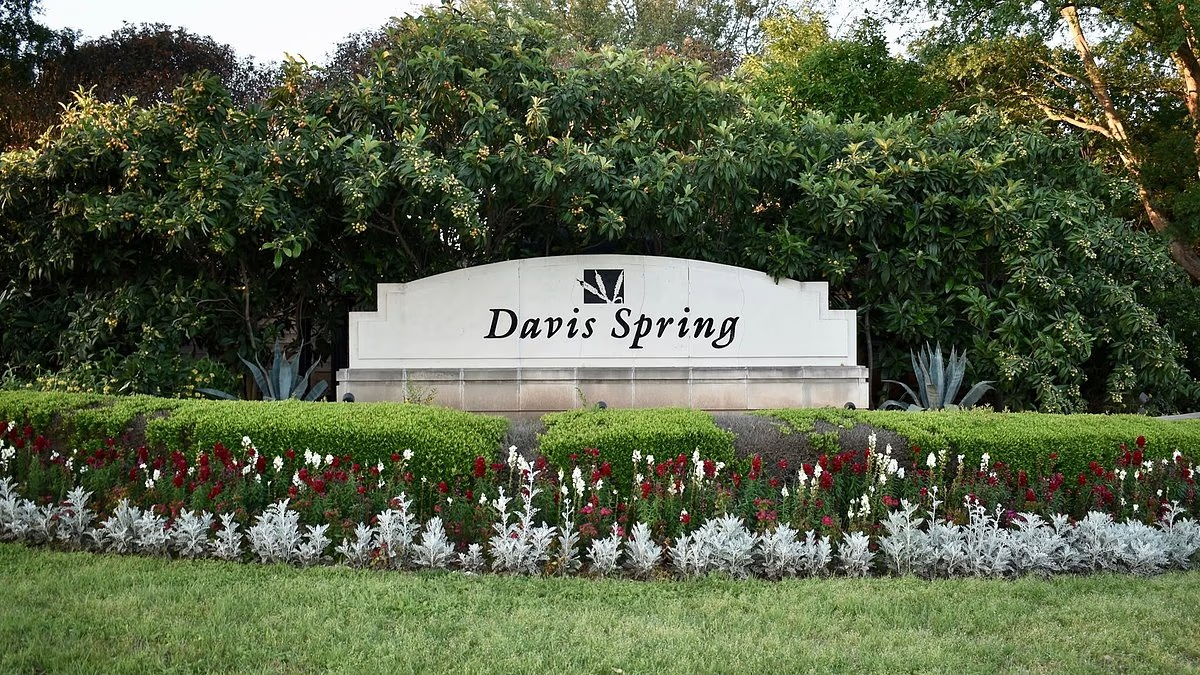

A Texas homeowner has prevailed after a six-year legal fight with her homeowners association over plans to build a small backyard office. The dispute has left the HOA facing more than $153,000 in legal fees, court costs and interest.
Masha Davis, a resident of the Davis Spring subdivision in Austin, challenged the association after it rejected her proposal in 2020 for a 160-square-foot office in her backyard, the New York Post reported.
The HOA’s architectural review committee objected to the plan, pointing to the structure’s height and raising concerns that it might be used as a separate residence.
The proposed building would have measured 10 feet by 16 feet and stood 9 feet, 6 inches tall. It was designed to include electricity and air conditioning, but no plumbing. Davis also said it would not be visible from the street.
After retiring, Davis hoped to use the room for consulting work. She also wanted a private space where relatives could isolate during the Covid-19 pandemic.
Davis maintained that the HOA was applying a height limit that did not appear in the architectural guidelines legally in force when she filed her application.
She filed suit against the association in January 2021, launching a protracted legal battle that ultimately went in her favor.
In August 2022, a Williamson County district court ruled that the relevant architectural guidelines did not contain a height restriction barring the project. The court also found that the review committee lacked authority to reject the office on that basis.

Masha Davis, a resident of Austin’s Davis Spring subdivision, prevailed after a six-year legal battle with her homeowners association over plans for a small backyard office

The HOA’s architectural review committee rejected the proposal over concerns about the structure’s height and whether it could function as a separate dwelling
A second ruling, issued in January 2024, concluded that no restrictive covenant prevented Davis from constructing the office as planned.
The court later awarded Davis $100,000 in attorney’s fees, though she said her total legal expenses had climbed to roughly $150,000.
The HOA appealed the attorney’s fee award but did not challenge the rulings that allowed Davis to build the office.
On September 29, 2026, the Texas Third Court of Appeals unanimously upheld the award and added $30,000 in conditional appellate attorney’s fees.
NEXT UP: Trump to Join Chinese and Russian Leaders at First-Ever Three-Way Meeting
Calculations supplied by Davis’s attorney showed that, as of November 5, the association owed approximately $153,264 in attorney’s fees, court costs and interest.
That total continues to increase, with interest accumulating at about $34 per day.
The HOA represents about 570 homes. Davis said residents still had not received a clear explanation of how the judgment would be funded.
According to Davis, the HOA agreed to pay the judgment and an attorney had started collection efforts to recover the money.
Join the discussion
Should HOAs face greater accountability when costly legal battles are brought against their own residents?

The HOA represents about 570 homes, and Davis said residents had yet to receive a clear explanation of how the $153,264 judgment would be paid
Davis also questioned whether the association’s insurer, which had paid for its legal defense, would cover the judgment or whether the bill would have to be paid from the HOA’s own funds.
During a November 3 board meeting, a former HOA president raised concerns about the lawsuit’s financial impact. Davis said the board did not offer a clear response.
Davis had previously served as vice president of the HOA board before stepping down in July 2020.
She is now calling for changes to Texas HOA laws, including tougher accountability standards for association directors and restrictions on the amount of legal defense costs that insurance can cover.
‘I kept going because I believed the HOA was wrong, and I didn’t want them to be able to win simply by making the process too expensive for me,’ Davis told the Post.
‘An HOA should have to follow the rules it expects its homeowners to follow. That shouldn’t be a controversial idea.’


