A mosquito-borne virus that can cause deadly brain swelling has infected thousands of people across the US, while California is experiencing its highest West Nile virus death toll in a decade.
Around four in five people infected with West Nile virus develop no symptoms.
Those who do become ill may experience fever, headaches, nausea and other flu-like symptoms. In the most serious cases, the infection reaches the brain and spinal cord, potentially causing paralysis and, in some instances, death.
The Centers for Disease Control and Prevention (CDC) has recorded roughly 1,800 infections nationwide this year. Officials cautioned, however, that the true number is probably much higher because people with mild or no symptoms are rarely tested.
Cases have been reported in 46 states. Alaska, Hawaii, Maine and Oregon were the only states where officials had not detected the virus. A national death total was not released.
Health authorities say mosquito-borne illnesses are appearing more frequently across the country, with warmer, wetter and longer summers creating conditions that allow mosquito populations to expand.
California has emerged as the nation’s worst-hit state. Forty-five West Nile virus deaths have been reported there this year—three times last year’s total and the highest figure since 2015, when 53 deaths were recorded, the state’s current record.
California’s health department has also reported 617 infections, almost six times the 117 cases recorded the previous year and the largest total on record.

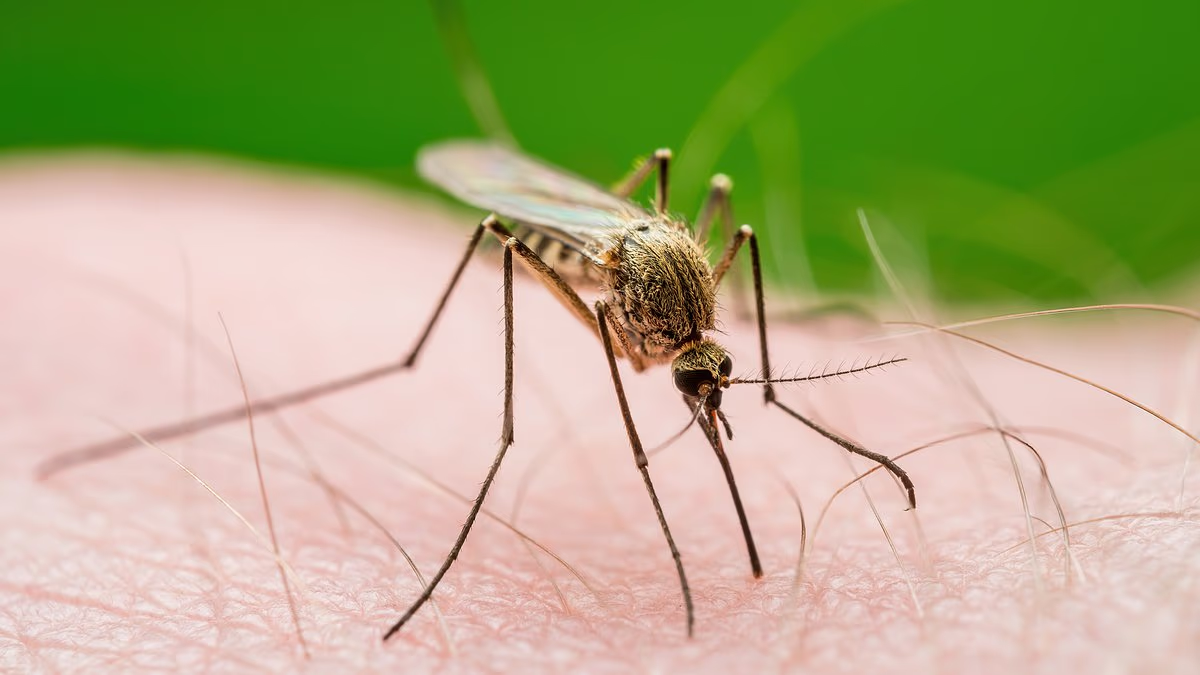
A Culex mosquito, the species responsible for spreading West Nile virus in the United States
Florida is meanwhile facing its biggest outbreak of mosquito-borne dengue fever—sometimes known as “breakbone fever” because of the severe muscle spasms and pain it can cause—in an estimated 80 years. Nearly 700 residents have been infected.
West Nile virus is transmitted through bites from Culex mosquitoes, which are generally brown and common throughout North America.
The CDC says most people who contract West Nile virus never develop noticeable symptoms.
About one in five infected people experience illness, including fever, headache, nausea, diarrhea, joint pain and discomfort behind the eyes.
In approximately one in 150 infections, the virus becomes neuroinvasive. That means it crosses the blood-brain barrier and can cause meningitis, an inflammation of the tissues surrounding the brain and spinal cord. Survivors may be left with permanent complications, including paralysis.
Approximately one in 1,500 people infected with West Nile virus dies from the disease.
Fatal cases are associated with inflammation in the brain, which can impair or paralyze the nerves responsible for breathing.
Anyone living in or visiting an area where West Nile virus is circulating can become infected, health officials warn. Older adults, people with weakened immune systems and those with underlying health conditions face a greater risk of severe disease.
Of the 1,848 cases recorded nationwide, 1,434 were classified as neuroinvasive, meaning the infection affected the brain or spinal cord.
Officials said this unusually high proportion reflects the fact that people with milder illness are much less likely to be tested for West Nile virus.

Los Angeles resident Mandi Budd said she was grateful to survive her West Nile virus infection

The map illustrates where West Nile virus cases have been reported across the US this year
Three-quarters of California’s West Nile virus deaths this year occurred in Los Angeles County and neighboring Orange County.
In the county, mosquitoes carrying the virus were identified in May, about two months earlier than usual, during a summer marked by hotter and wetter conditions.
Mandi Budd, a Los Angeles resident, was among those infected. The illness left her legs paralyzed.
“I’m happy to be on the right side of the dirt,” she told reporters with a sigh. “I could have been one of the casualties of this virus, and that’s a terrifying thought.”
Budd, a consultant for humanitarian organizations, said her symptoms began with hip pain after a mosquito bite in September. She initially believed it was sciatica, which can occur when pressure is placed on a major nerve in the hip.
More than a week later, the pain became so severe that she collapsed.
She was taken to hospital, where her temperature rose to 103F (39.5C). Budd said doctors struggled to keep her alive.
Having spent most of her life in Florida before moving to the West Coast, Budd said she never expected to contract West Nile virus.
The US recorded 2,167 West Nile virus cases last year.
Health officials advise people to take steps to prevent mosquito bites and reduce their risk of infection.
Recommended precautions include applying insect repellent, wearing long sleeves and trousers outdoors, and remaining inside between dusk and dawn during the summer.
There is no specific cure for West Nile virus, but doctors can prescribe medicines and other treatments to control symptoms.


