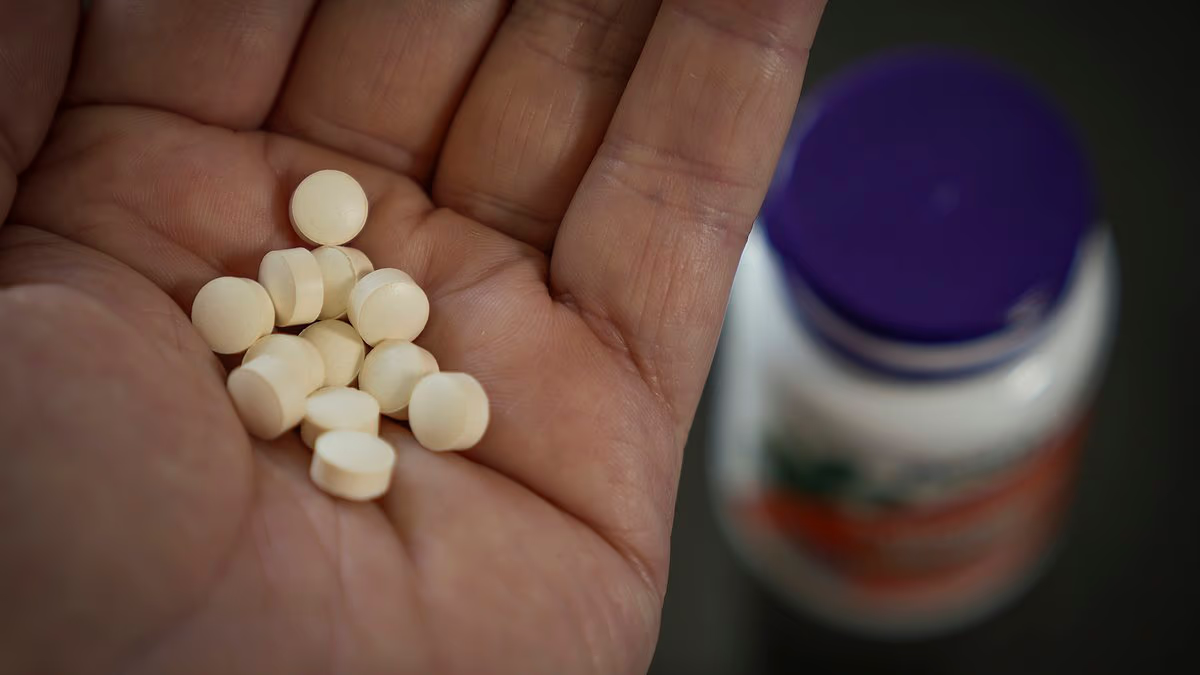

Residents living near potential US targets in Iran have reportedly been given medication intended to reduce exposure to radioactive iodine.
An unnamed medical official from Iran’s Ministry of Health told The Times of London that potassium iodide tablets were being distributed to communities within roughly two miles of nuclear facilities in Isfahan Province.
The reported preparations come after President Donald Trump was said to have considered using nuclear weapons against Iran’s Natanz uranium-enrichment facility and the nearby underground Pickaxe Mountain site—locations alleged to be connected to Tehran’s nuclear program.
“Yes, we are distributing iodine,” the official said. “During every war, we have tried to distribute it within a two-to-three-kilometer radius of nuclear facilities.”
The alleged distribution coincides with emergency broadcasts warning residents how to respond if the United States attacks the sites with a nuclear weapon.
A nuclear detonation—or severe damage to a nuclear facility—could release radioactive iodine into the atmosphere, where it may be inhaled or consumed.
The thyroid absorbs iodine, and exposure to its radioactive form can increase the risk of thyroid cancer, with children considered particularly vulnerable.
Potassium iodide works by saturating the thyroid with non-radioactive iodine, reducing the amount of radioactive iodine the gland can absorb. It does not protect against other forms of radiation.

Iodine tablets have reportedly been distributed near US nuclear targets in Iran

President Trump has reportedly been considering new strikes against Iran’s nuclear sites, but said Sunday that there were no immediate plans to intensify the fighting
Although Iran denied that the tablets were being distributed, state-linked media reported that anti-radiation medication had been handed out and stored at hospitals in the southern city of Bushehr. The city is home to Iran’s only operating nuclear power plant.
The Young Journalists Club reported that 180,000 tablets had been distributed before fighting involving the US, Israel and Iran began in June 2025. Supplies were initially provided to people living near the power plant before distribution expanded across the city.
Sean Gold, a former US Air Force service member and self-described “Doomsday prepper,” said households should also understand the difference between potassium iodide and tablets designed to purify water during an emergency.
Water-purification tablets are separate products and may be used to treat certain bacterial or radioactive contaminants, depending on their ingredients and official guidance. Potassium iodide tablets are intended to protect the thyroid from radioactive iodine and should not be used as a general water purifier.
Gold, who founded the ‘Doomsday prepping’ website TruePrepper, has said emergency kits should contain water-treatment supplies, along with other essentials such as bleach where appropriate.
YOU MAY ALSO READ: Saint Nicholas Bones, Inspiration for Santa Claus, Destroyed in Raid
During an interview broadcast on CBS’s 60 Minutes on Sunday, Trump said he was not planning to escalate the conflict with Iran in the immediate future.
“Well, I’m not looking to. I don’t think there’s any reason to,” Trump said.
His comments followed several urgent meetings with national security advisers over whether the United States should resume its bombing campaign against Iran as negotiations over a ceasefire continued to stall.

Pickaxe Mountain is one of many sites the US could target if it restarts its war against Iran

Trump defended the war against Iran as a necessary decision to prevent Tehran from obtaining nuclear weapons. Pictured: Strikes are seen hitting the Iranian capital Tehran in March
Natanz and Pickaxe Mountain are widely described as important components of Iran’s uranium-enrichment infrastructure, which could potentially produce weapons-grade material.
Trump has repeatedly said the United States will not allow Iran or its Islamic Revolutionary Guard Corps (IRGC) to obtain a nuclear weapon. Former US intelligence officials have suggested that a nuclear strike remains among the options being considered.
Tucker Carlson, the podcast host and former Fox News personality, claimed on November 2 that a US nuclear attack was only “days away.”
The distribution of potassium iodide often increases when fears of a nuclear accident or conflict become more immediate.
In 2022, Ukraine and Poland began expanding iodine-tablet preparations amid Russia’s invasion of Ukraine and fighting near the Zaporizhzhia Nuclear Power Plant.
Ukrainian officials distributed tablets to residents within about 30 miles of the facility after Russian shelling raised concerns about a possible radiation leak.
Poland also transferred more than 57 million potassium iodide tablets from strategic reserves to local fire departments, preparing for the possibility of a radiation release near its border with Ukraine.
The United States has not issued public warnings about an imminent nuclear-radiation threat. However, Pentagon officials and former FBI personnel have urged Americans to prepare for the possibility of a wider national emergency.
Former FBI officials Chris Swecker and Dan Bongino have encouraged the public to assemble emergency supplies in case the conflict involving Iran escalates into a nuclear crisis.
Their comments followed the release of the Pentagon’s “Fortress America” planning guidance. The alert, sent to US military bases, urged officials to prepare for at least 90 days without new supplies if a major disaster occurred on American soil.