Share this @internewscast.com
Privacy laws that make it harder for the media to name individuals under criminal investigation could be rolled back as part of ministers’ plans to replace the Human Rights Act, government sources have suggested.
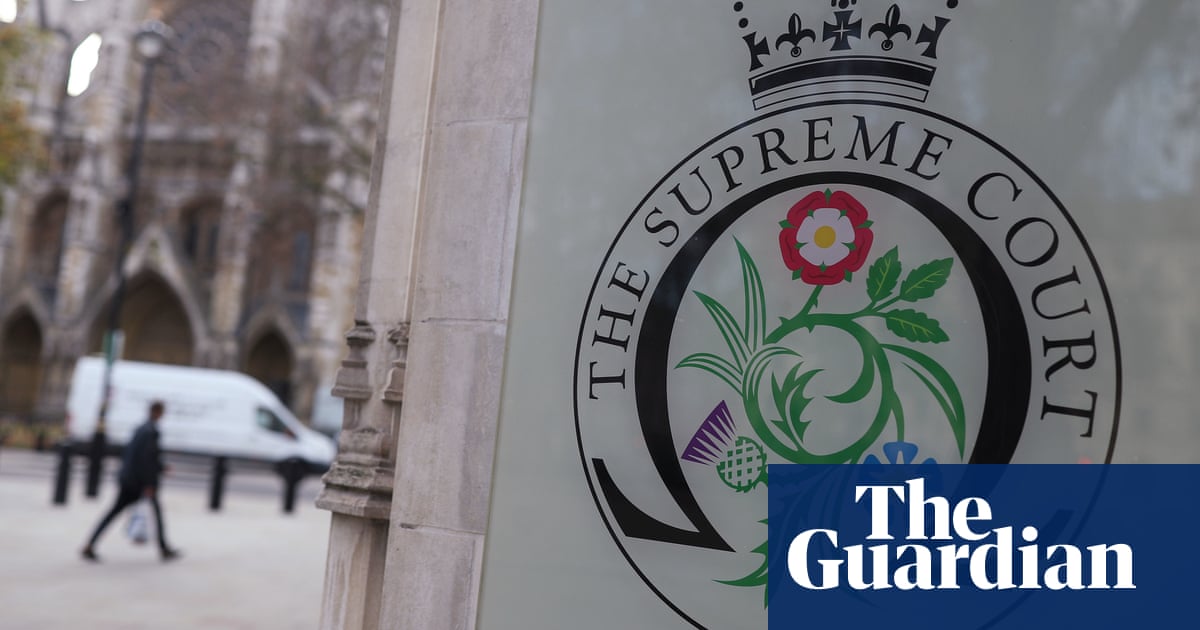
The claim follows concerns raised by media outlets over this week’s landmark Bloomberg v ZXC supreme court ruling. Judges concluded that Bloomberg News was wrong to name a businessman facing a criminal investigation relating to his work activities because he had a reasonable expectation of privacy.
The verdict makes it more difficult for the media to report that individuals are under criminal investigation if they have not been charged with any offence.
John Micklethwait, the editor-in-chief of Bloomberg News, said the ruling meant Britain was “stumbling toward a system in which tabloids can still peek into celebrities’ bedrooms but serious journalists cannot report on potential wrongdoing at public companies by powerful people”.
He said the ruling would benefit those able to afford enormous legal bills, rather than ordinary members of the public, adding: “The courts have now presented the powerful with a path to keep their names out of print for years … This right to privacy is only for those who can afford it; strangely enough, these often tend to be those who have the most to hide.”
Ministers are reluctant to directly criticise judges but a government spokesperson said they were looking at the ruling.
“A free press is one of the cornerstones of any democracy. The government recognises the vital role the media plays in holding people to account and shining a light on the issues which matter most. We will study the implications of the judgment carefully,” they said.
Ministry of Justice sources pointed towards an ongoing consultation on replacing the existing Human Rights Act. The existing law, which was introduced by Tony Blair’s Labour government in 2000, is based on the European convention on human rights. Ministers want to replace it with a new British Bill of Rights as part of their post-Brexit policies – a move that has been criticised by many in the legal profession.
A consultation document published at the end of last year states that ministers want to prioritise freedom of expression and “that courts should only grant relief impinging on it where there are exceptional reasons”.
The document also stated it should not be left to judges to develop privacy law through case-by-case rulings and “there should be a presumption in favour of upholding the right to freedom of expression, subject to exceptional countervailing grounds, clearly spelt out by parliament”.
As part of the Bloomberg case, the judges concluded that the businessman had a reasonable expectation that the details of the British regulator’s criminal investigation into him would not be made public unless he was charged.
The Bloomberg verdict follows a similar ruling in a 2018 case involving the BBC and Cliff Richard, where the singer won substantial damages from the national broadcaster for invasion of privacy.
The BBC had reported Richard was the subject of a police investigation into historical allegations that ultimately proved to be baseless and did not result in any criminal charge. Meghan, Duchess of Sussex, also won a privacy victory against the Mail on Sunday after it published a private letter she had sent her father.
Micklethwaitesaid his outlet had paid the price for such “tabloidish excesses” and warned serious investigations were being undermined by judges increasingly prioritising the right to privacy.
Source: This post first appeared on The Guardian