
Share this @internewscast.com
Tybee Island in Georgia is preparing for the return of the contentious “Orange Crush” music festival this weekend. Police are gearing up for an influx of thousands of festival-goers expected to descend upon the coastal town.
A post on the Orange Crush Instagram page enthusiastically announces, “THE BIGGEST HBCU BEACH BASH IS BACK! Official Dates April 17TH -19TH Tybee Island,” promising concerts, Greek life events, parties, car and bike shows, and live celebrity appearances. The post anticipates a crowd of over 50,000 attendees.
This year’s iteration, dubbed “Crush Reloaded,” will feature its main attraction on Saturday with a music festival at the Tybee Island beach pier and pavilion, promising a lively atmosphere.
The festival has a history of controversy. In 2025, the event led to 22 arrests over the weekend, continuing a trend of disturbances that include violence and significant litter left behind. The previous years saw similar challenges, with 54 arrests in 2024 and 26 in 2023 during the festival.
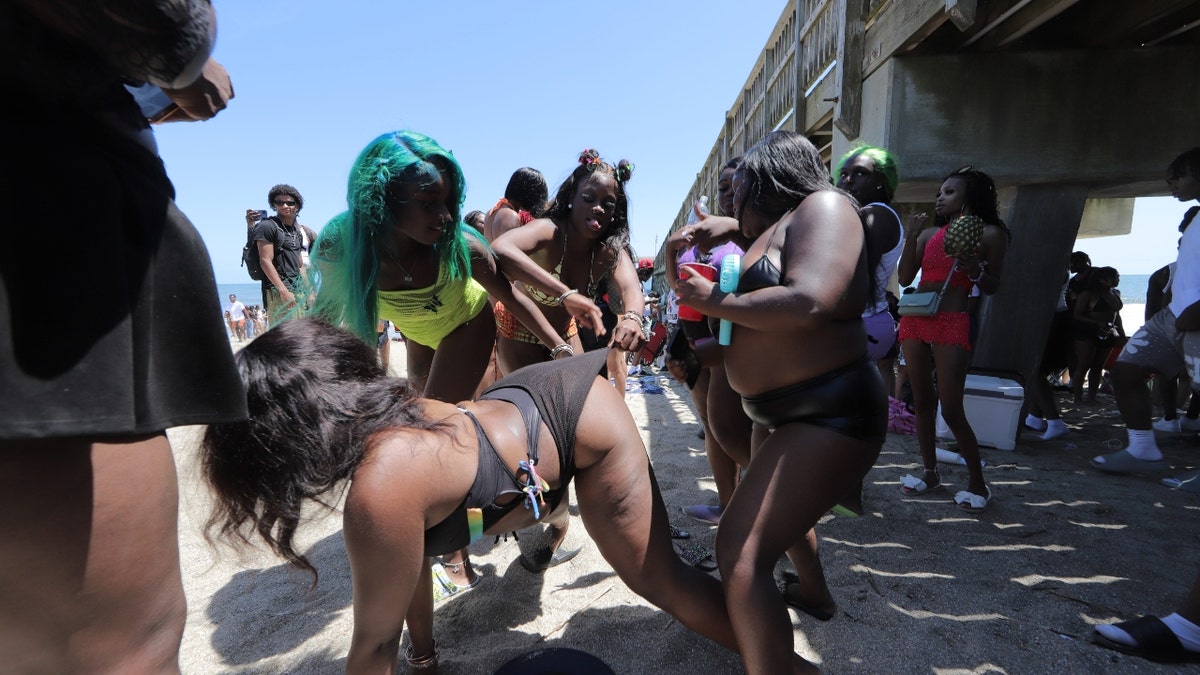
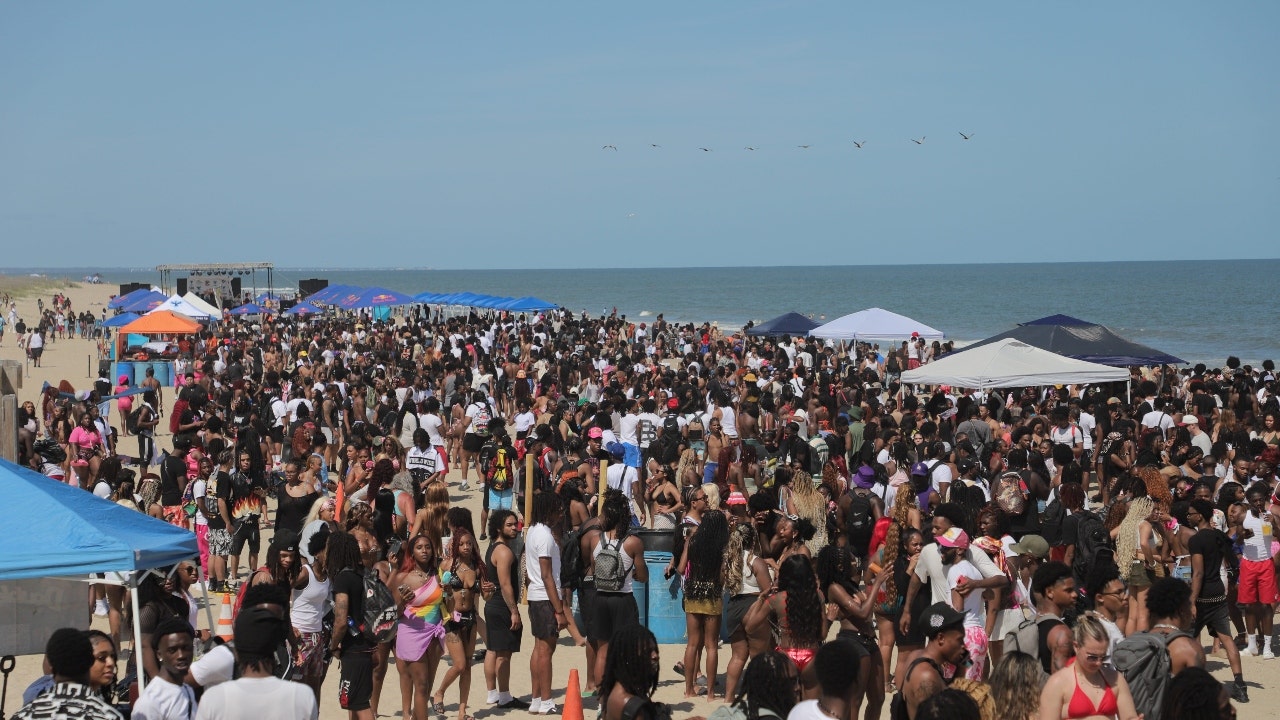
Images from past events, such as those taken on April 19, 2025, capture the energetic scenes of spring breakers dancing on Tybee Island’s shores (Richard Burkhart/Savannah Morning News/USA TODAY NETWORK).
In response to recent issues, the Tybee Island Police Department announced an increase in law enforcement presence for this year’s festivities, addressing rising concerns over “teen takeovers” affecting the region.
“Rest assured that we have heard you and that public safety will always be our top priority,” Tybee Island Police Department Capt. Emory Randolph said in a statement to Fox News Digital when asked about residents’ concerns over the upcoming weekend’s festivities.
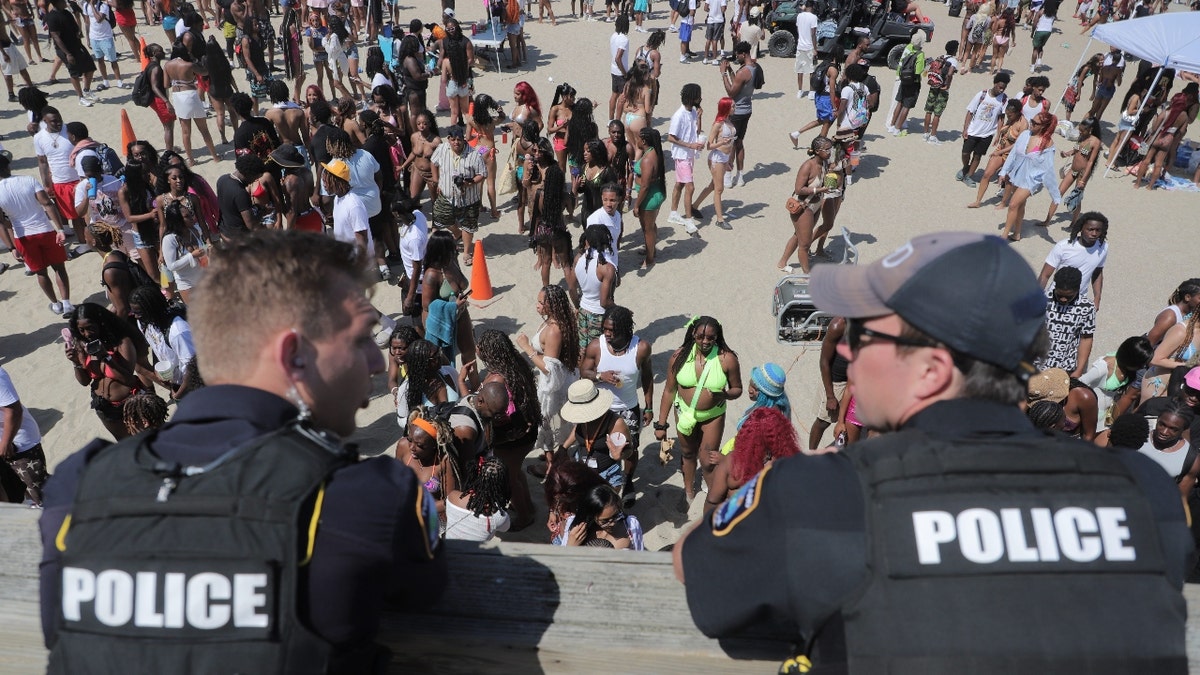
The Tybee Island Police Department and Georgia State Police made 22 total arrests and 22 traffic citations over the weekend, (© Richard Burkhart/ Savannah Morning News / USA TODAY NETWORK via Imagn Images)
“In recent months, stories of so-called ‘teen takeovers’ have popped up across the country,” Tybee Island police said in a Facebook post Tuesday. “This phenomenon hit home just over a week ago, when an unpermitted event on the beach was interrupted by the sound of gunfire. Now, as we approach the return of Crush Reloaded, members of our local and online communities have expressed concerns.”
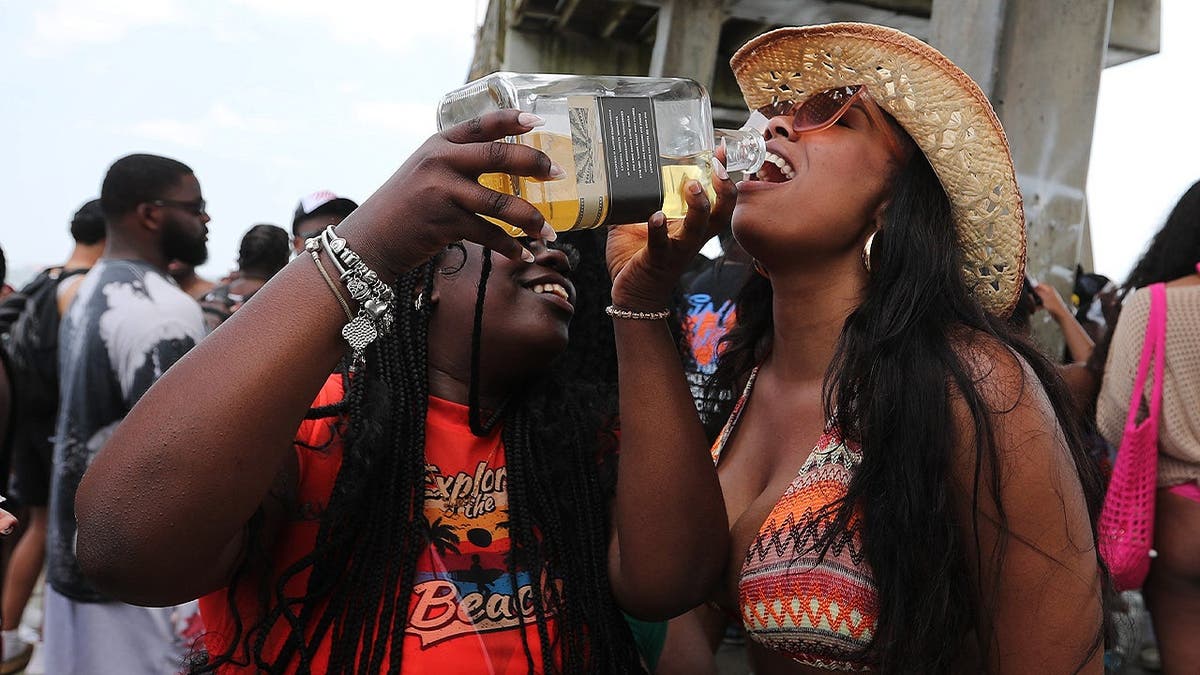
Spring breakers party near the Tybee Island Pier on Saturday, April 20, 2024 during Orange Crush on Tybee Island. (© Richard Burkhart/Savannah Morning News / USA TODAY NETWORK via Imagn Images)
Beginning on Thursday, the police department said, residents and guests would see an “abundance of law enforcement officers from various state and local agencies converging on the island.”
To maintain order, police are also launching a road safety checkpoint on Highway 80, carving out emergency lanes on main roads and shuttering the 14th and 16th Street parking lots.
“TIPD is committed to using every available resource to help ensure the safety of our community,” Capt. Randolph said. “Residents and guests can do their part by being kind to one another, obeying the law, and following the instructions of all emergency personnel. Working together, we can continue to make the island an even safer place to live, work, and play.”
WATCH: Teen takeover in Georgia caught on camera
The move came as nationwide teen takeover events are spreading. Last week, a mass of teens participating in a takeover on Tybee Island was interrupted in panic after police say gunfire broke out along the pier.
According to the Tybee Island Police Department, authorities responded around 6:30 p.m. on April 4, when hundreds of people gathered near the Tybee Island Pier and Pavilion area, a popular spot in the laid-back beach community.
During the course of the “unpermitted, pop-up event,” officers said they heard a single gunshot ring out, and the crowd began to scatter.
Video shared by the department captured hoards of teens running away.
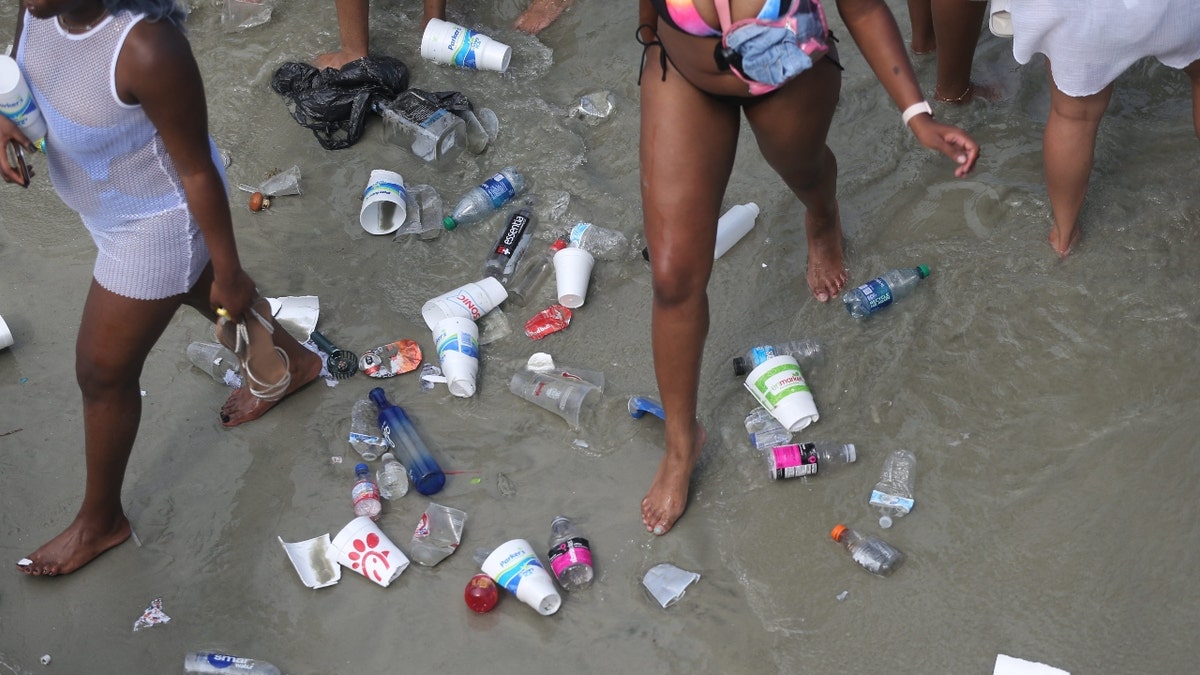
Orange Crush attendees at past events have littered parts of Tybee Island’s beach with trash in the sand and in the water. (© Richard Burkhart/Savannah Morning News / USA TODAY NETWORK)
In the early 1990s, Orange Crush had a reputation for being a wild, crime-filled weekend, and Savannah State University disassociated with the event in 1991 because of the high number of arrests and reports of violence.
Three years ago, the event moved to Jacksonville, Florida, “due to lack of resources, limited parking, civil rights violations and political injustices,” according to a June 2021 story on Jacksonville.com, which cited the event’s website. The website has since been taken down.
The event returned to Tybee Island in 2023 for the first time since 2020.
<!–>
–>