
Gatorade is gearing up to revamp its iconic colorful beverages in a significant way.
The brand is aligning with other companies in the industry by eliminating artificial FD&C colors from its drinks, a shift influenced by RFK Jr’s critiques of synthetic food dyes.
To maintain its vibrant hues, Gatorade plans to introduce plant-based colorings sourced from fruits and vegetables. The company assures that the drinks will retain their vivid shades, from bright blues to radiant oranges and yellows.
This transformation involves using natural ingredients like algae extracts, turmeric, and butterfly pea flower to achieve the brand’s signature glow, replacing laboratory-generated dyes.
In April, RFK Jr announced that various brands would start removing ‘harmful’ synthetic dyes, alongside expedited FDA approval for natural alternatives such as calcium phosphate, Galdieria extract blue, gardenia blue, and butterfly pea flower extract.
Several other companies, including General Mills, Nestle, McCormick, Tyson Foods, Sam’s Club, JM Smucker, Hershey, and Kraft Heinz, have already revealed plans to abandon artificial colors.
Now, Gatorade’s dissolvable ‘powder sticks’ will ditch all artificial colors by this spring. Later this fall, three of the brand’s top flavors in Gatorade Thirst Quencher and Gatorade Zero – Fruit Punch, Lemon Lime and Orange – will no longer contain FD&C colors.
The company said that ‘by listening to consumers, we’re learning more of what they want and don’t want in their Gatorade.’

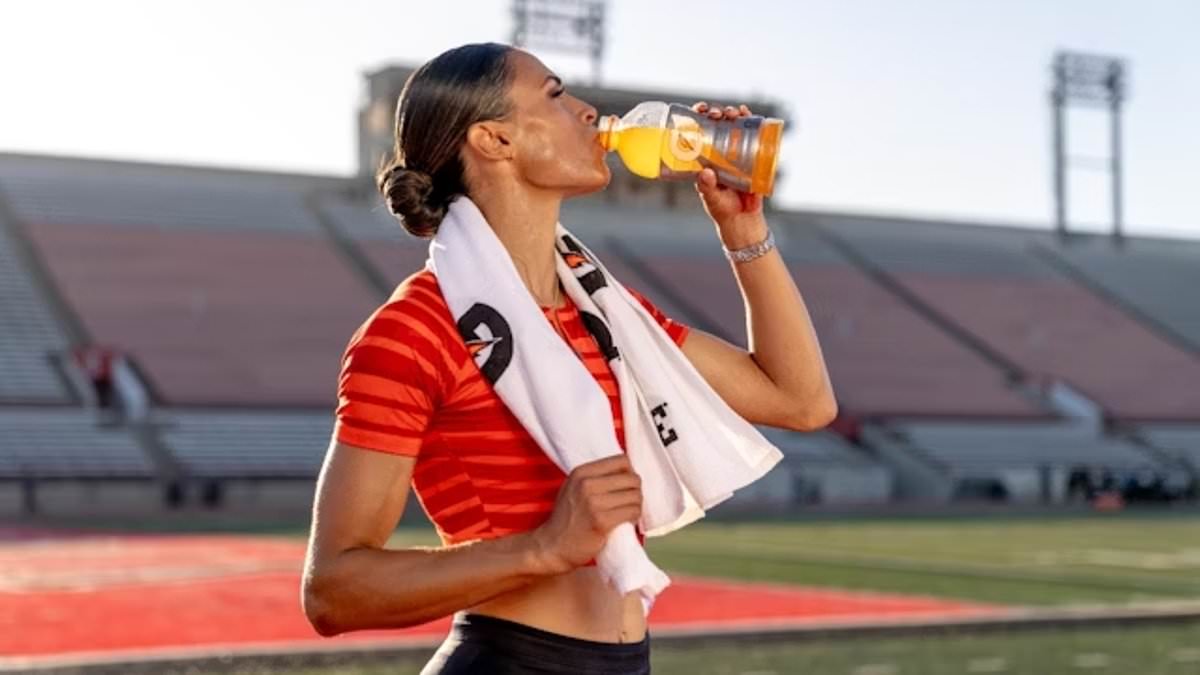
Gatorade is shifting its packaging and branding so it appeals to everyday people – not just athletes

Iconic Gatorade flavors like Fruit Punch, Lemon Lime and Orange currently contain artificial colors

PepsiCo announced last April that it is stepping up efforts to replace synthetic food dyes with natural alternatives

Gatorade’s ‘Lemon Lime’ flavor typically has FD&C Yellow #5
Gatorade is also announcing a new product to its lineup – Gatorlyte Longer Lasting.
With an expected 2027 release, this will be Gatorade’s highest electrolyte ready-to-drink offering, intended for long travel days or extreme exercise.
Parent company PepsiCo landed on the reimagined Gatorlyte after 60 years of studying hydration.
‘What that science has shown us is simple: Everyone needs hydration, and it isn’t one-size-fits-all,’ PepsiCo said. ‘We believe we have a responsibility to help people understand their hydration needs, not just on game day, but across everyday wellness and performance moments.’
But Gatorade isn’t the only PepsiCo product facing a makeover. The company announced last April that it would step up its efforts to replace synthetic food dyes in most products as consumer demand for natural alternatives grew.
Tostitos and Lay’s were among the first brands under the PepsiCo umbrella to remove artificial dyes and flavors.
The products switched to carob powder, a brown, earthy, cocoa powder alternative, to get a similar hue without changing taste.
In late 2025, PepsiCo launched its Simply NKD product line, featuring Flamin’ Hot Cheetos and Doritos colored with natural ingredients like paprika and turmeric instead of artificial dyes.

Gatorade’s lineup will include a new version of Gatorlyte, with the brand’s highest electrolyte offering

RFK Jr announced its plan to phase out FD&C dyes as part of his ‘Make America Healthy Again’ initiative
In addition to Gatorade’s new recipe, the company announced a shift to be marketed toward everyday people, as opposed to athletes.
Gatorade is facing growing competition from other electrolyte drink brands – some choosing to market to a wider audience.
Electrolit returned as a sponsor for Coachella, encouraging oftentimes dehydrated attendees to stay hydrated while facing extreme temperatures.
Logan Paul and KSI’s Prime Hydration focuses on a younger-skewing audience, using influencers to promote the drink.