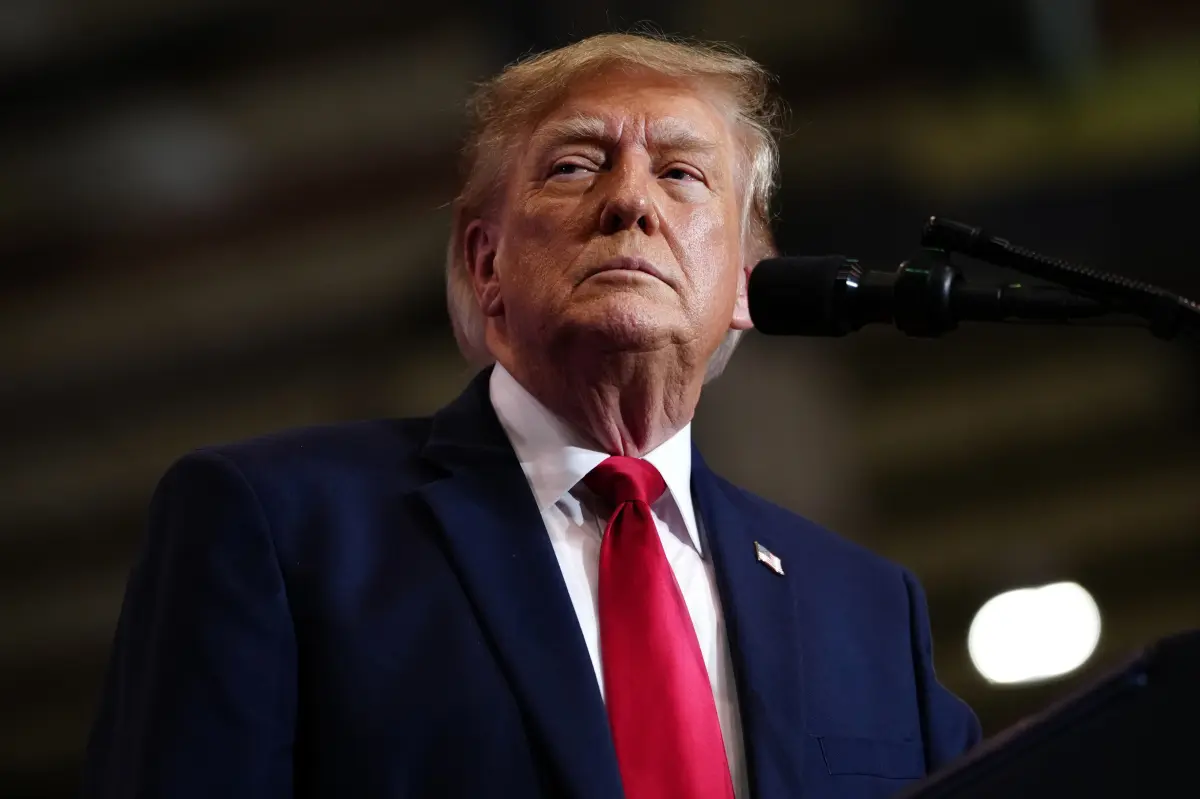

The Trump administration on Wednesday abandoned its effort to reshape the widely used Public Service Loan Forgiveness program, ending a legal battle over the future of student debt relief for public workers.
The Justice Department had appealed June rulings that sided with advocates who argued the proposed changes could turn student loan forgiveness into an instrument of political retaliation. On Wednesday, however, the department withdrew both appeals through brief joint agreements stating that each party would cover its own legal expenses.
Federal officials did not say why they were dropping the cases. Advocates who challenged the administration’s policy welcomed the decision.
“The Trump administration’s attempt to weaponize public service loan forgiveness against organizations it disagrees with was anti-democratic and unlawful from the start,” Dan Zibel, an attorney with Student Defense, said in a written statement. “This is a significant victory for millions of Americans who have dedicated their careers to public service.”
The PSLF program was created to encourage careers in public service, including jobs with government agencies, public schools, police and fire departments, public hospitals and nonprofit organizations. Eligible borrowers can have their remaining federal student loan balances forgiven after making qualifying payments for 10 years.
YOU MAY ALSO READ: Connecticut Grandfather Nelson Batista Killed by Convict Jorge Ortiz
Last fall, the Trump administration introduced a rule that would have given Education Secretary Linda McMahon authority to remove employers from the program if she determined that their work served a “substantial illegal purpose.”
Critics said the rule’s broad and unclear language appeared aimed at organizations that assist undocumented immigrants or transgender young people. The policy could have affected borrowers employed by schools, hospitals and legal aid organizations.

The proposed overhaul would have represented a sweeping change to a student loan forgiveness program that has already erased debt for more than 1 million Americans.
Before the rule was scheduled to take effect in July, U.S. District Judge Myong Joun in Massachusetts struck it down. He concluded that the Education Department had exceeded its authority and that the changes could infringe on First Amendment free-speech protections. The ruling followed lawsuits brought by more than 20 states, nonprofit organizations and cities.
That same day, U.S. District Judge Amir Ali in Washington reached a similar conclusion in a separate case filed by nonprofit groups.