Share this @internewscast.com
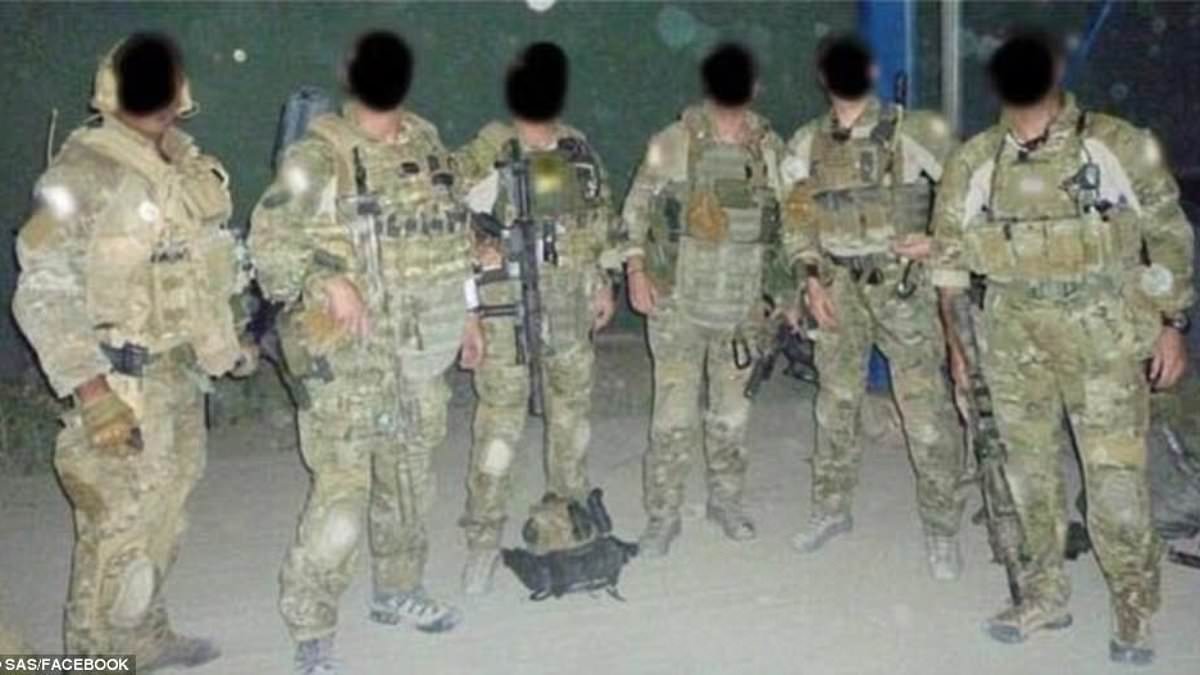
A remarkable total of 242 Special Forces members, which includes over 120 active-duty soldiers, are under legal scrutiny as part of monthly human rights investigations costing £1 million.
The startling statistics have been disclosed for the first time in a communication sent to the associations of the Special Air Service and the Special Reconnaissance Regiment.
Highly confidential missions conducted in regions like Northern Ireland, Afghanistan, and Syria are now under the microscope of legal professionals—incurring significant taxpayer expenses—and the involved troops might face legal consequences if they do not cooperate.
The document indicates that some soldiers have chosen to resign in defiance of these investigations, which arise at a time when British forces might be needed to confront threats from nations like Iran or Russia.
The Mail has advocated for protecting UK troops from legacy legal challenges stemming from retroactive enforcement of the Human Rights Act, as part of its Betrayal of the Brave initiative.
Additionally, SAS veterans have reported that two fellow soldiers have attempted suicide due to the intense pressure of being involved in these legal proceedings.
Now, a former SAS officer who is among those being hounded, has said: ‘The mood is vociferous, everyone has had enough. For these endless legal probes to be being pursued at this time just sums up what Britain’s priorities are.
‘We are so subject to legal interventions it would be impossible to take out our enemies. The American Special Forces guys sympathise and but they’re also dismayed.

The legal probe into the SAS is causing soldiers to quit the elite regiment, according to the memo

SAS operations have also been subjected to BBC Panorama documentaries labelled ‘one-sided and misleading’ by veterans
‘They can’t believe we are being put through this. And everything takes so long. It is an endless gravy train for lawyers. Only they benefit.
‘From a moral perspective this is very damaging, particular as 55 per cent of the 242 are serving, so could literally be in the firing line in the months ahead.’
The memo references a brewing legal conflict between the SAS Regimental Association (SASRA) and the government over Labour’s replacement for the Conservatives’ Legacy Act.
The Troubles Bill does not include the same level of legal protections. The Legacy Act introduced a bar to prosecutions of troops which opponents argued were unlawful.
The memo reads: ‘There are currently 242 Special Forces group personnel who have been issued with Section 9s for NI/Afghan/Syria legacy investigations.
‘Not all are accused. It is a mixture of accused/witnesses. You can’t chin them off I’m afraid. If the Rule 9 is refused then a Section 21 is enacted. Serious stuff I’m afraid.
‘The MOD is paying for legal costs. It is costing MOD £1 million per month. So far we have had two suicide interventions.’
Referring specifically to Afghanistan, the memo refers to a public inquiry into claims the SAS committed war crimes in Afghanistan from 2010 to 2014.
SAS troops conducting night raids are alleged to have executed scores of Afghans who had surrendered and had been disarmed.
The memo indicates the inquiry could lead to a criminal investigation into the ‘murders’ and other offences. Veterans are furious, as the memo says:
‘The government is the key driver of this. Our colleagues are being hounded by our own government.
‘The 242 are being put through this process as if they are guilty. The impact is being felt now. Annually we have 20 badged and 30 support personnel leave the military. That is beginning to increase.’
The veterans are confirmed of defeating the legal action as the evidence of war crimes is ‘extremely weak’ they claim and should not meet the threshold for prosecutions.
The allegations have ‘come from within’ according to the veterans, with one coming from a civilian worker from the SAS camp in Hereford.
Already, the veterans have raised more than £1 million to pay for legal fees.
A Rule 9 request requires witnesses to provide relevant documents or written statements.
A Section 21 order compels individuals to give evidence and to attend hearings. It is a criminal offence to ignore such an order.
The Ministry of Defence said: ‘While it is a longstanding policy of successive Governments to not comment on UK Special Forces, we are immensely proud of all our Armed Forces and their extraordinary contribution to keeping the UK safe at home and abroad.
‘We are fully committed to supporting the Independent Inquiry relating to Afghanistan as its work continues and are grateful for everyone who has supported the Inquiry by giving evidence.
‘We promised our veterans who served with honour in Northern Ireland that we would put proper protections in place, and the Northern Ireland Troubles Bill delivers on that commitment. After the false promises of the last government, we are putting in place six real, workable protections for veterans that the failed Legacy Act never did.’