
Share this @internewscast.com
Australian travelers are being advised to exercise caution following the confirmation of two Nipah virus cases in India, which poses a serious health risk.
The National Centre for Disease Control in India announced on Tuesday that the virus was detected in two individuals in West Bengal since December.
Authorities have identified and tested 196 individuals who may have been in contact with these cases, all of whom tested negative and are symptom-free.
While the Nipah virus, known for its severe symptoms and high mortality rate, has not surfaced in Australia, precautions are being recommended.
The Australian Centre for Disease Control has provided guidance for travelers planning to visit areas where the virus is present.
An ACDC representative stated, “Since the virus can be transmitted from person to person, it is crucial to avoid close contact with anyone suspected of having Nipah, especially contact with their blood or bodily fluids.”
Travellers are also urged to practise good hygiene in areas where the virus may be present, including washing hands after contact with animals, visiting sick people, or spending time in crowded public places.
‘Nipah is a rare viral infection, but it can be deadly,’ the spokesperson said.

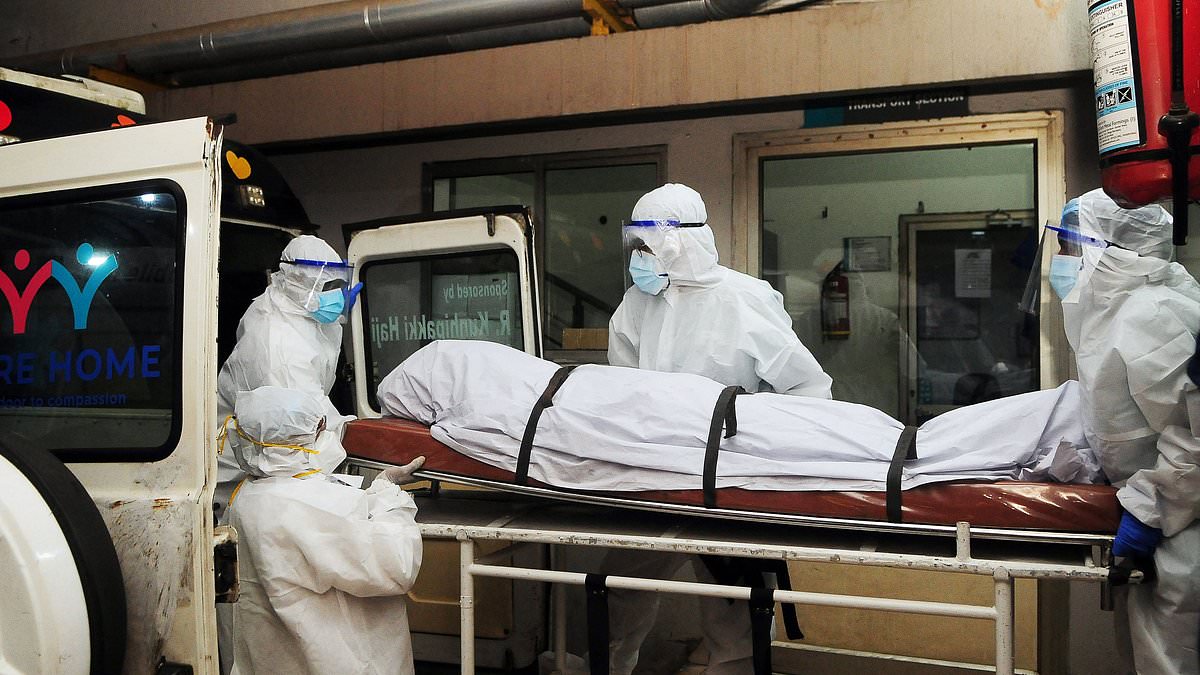
Two cases of the deadly Nipah virus have been detected in West Bengal, Inida (pictured, health workers shift the body of a person who died of Nipah virus in India’s Kerala state in 2023)

Australian tourists have been urged to take precautions if visiting the region (stock image)
Nipah typically begins with the sudden onset of flu-like symptoms, including fever, headache, muscle aches, vomiting and a sore throat.
In some cases, the virus can trigger encephalitis, inflammation of the brain, or meningitis, which usually develops between three and 21 days after symptoms first appear and can be fatal without intensive supportive care.
The incubation period is generally four to 14 days, but in rare cases can be as long as 45 days.
‘People are advised to check the Smartraveller website for the latest travel advice before travelling overseas,’ the ACDC spokesperson said.
‘Nipah virus can be transmitted from animals or contaminated food to humans, as well as directly from person to person.
‘Although there are no licensed human vaccines, there are simple steps people can take to reduce their risk.’
They also advised tourists to avoid eating fruit that appears to have been partially consumed by an animal. All fruit should be cleaned and peeled before eating.

Nipah virus causes severe disease and death in people (pictured, Thailand’s international disease control checkpoints in January 2026)
Human outbreaks of the virus have only been identified in South and South-East Asia.
The latest outbreak in India’s West Bengal region has prompted some countries to roll out Covid-era airport screenings to stop it spreading.
So far no cases have been reported outside of India, and a spokesperson from the World Health Organisation told Daily Mail they do not expect the disease to spread beyond India’s borders.
‘As per the available information, WHO considers risk of further spread of infection from these two cases is low,’ they said.
‘India has the capacity to contain such outbreaks, as demonstrated during the past outbreaks.
‘Recommended public health responses are jointly being rolled out by the national and state health teams. There is no evidence yet of increased human-human transmission.
‘However, the source of infection is not yet fully understood. It is possible that further exposure to Nipah virus could occur, given known reservoir of Nipah virus in bat population in some parts of India and Bangladesh, including West Bengal.
‘Community’s awareness of risk factors such as consumption of date palm sap needs to be strengthened.’
In response to the new cases, Thailand’s ministry of public health has implemented health screening for passengers at major airports arriving from West Bengal.
Travellers are being assessed for fever and other Nipah virus symptoms including headache, sore throat, vomiting and muscle pain, and are being issued health ‘beware’ cards advising what to do if they become ill.
Phuket International Airport is also reportedly undergoing increased cleaning due to its direct flight links and Nepal has raised alert levels.