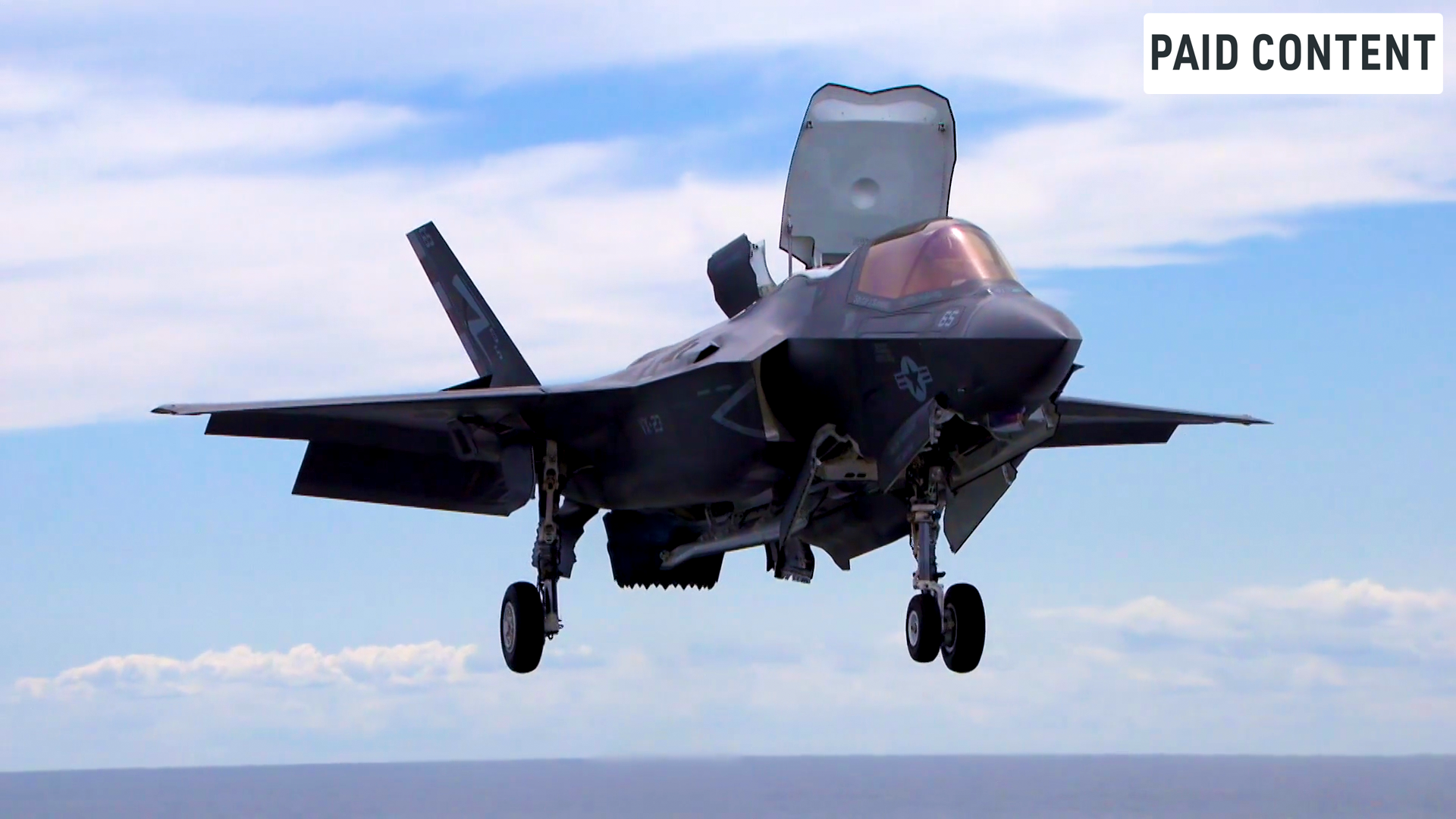


The next chapter of autonomy will not be shaped by one aircraft, platform, or standalone system. It will depend on how connected technologies work in concert to give warfighters faster, clearer, and more useful information when it matters most. In the video, Lockheed Martin experts discuss how AI, the F-35, Lockheed Martin Vectis™, Matrix Autonomy, and the U-Hawk are being brought together to help pilots and operators act with greater confidence in real time.
Rather than presenting autonomy as a distant concept, the video focuses on its practical role in today’s missions. These technologies are designed to ease the burden on crews, expand operational reach, and help reduce risk to personnel. At the center of that approach is a commitment to human-focused systems that support safer, more efficient, and more effective mission outcomes.
From the Moon to Mars: Engineering the Future of Human Exploration
Lockheed Martin is also playing a major role in the next phase of deep space exploration, supporting efforts that stretch from returning humans to the Moon to preparing for eventual missions to Mars. In a separate video, company experts reflect on Lockheed Martin’s long history with NASA, including milestones such as Viking 1 on Mars, as well as its work on Orion and Artemis, and explain how that experience is helping advance the systems needed to send astronauts farther into space and bring them home safely.
MORE STORY: Unmasking the Church: Hugh Jackman's Faith and Emily Watson's Chilling Accusations
The discussion looks at the building blocks of future exploration, including robotic missions, the use of lunar resources, nuclear power, and next-generation spacecraft technologies. It also underscores the level of vision, collaboration, and engineering discipline required to transform ambitious goals into working capabilities as Lockheed Martin supports NASA’s progression from lunar exploration toward the long-term challenge of Mars.
Next-Generation Missile Defense at Mission Speed
On Earth, missile threats are advancing at a rapid pace, placing new demands on defense systems that must detect, assess, and respond with speed and precision. In another video, Lockheed Martin experts outline how missile defense is being influenced by next-generation integrated systems, AI-supported decision tools, and open architecture designed to link capabilities across land, sea, air, and space.
With the global security environment growing more complex, Lockheed Martin says its focus remains on developing defense technologies capable of keeping up with emerging threats. Modern missile defense increasingly depends on integration, bringing sensors, platforms, data, and decision-making tools together inside a more connected and responsive digital ecosystem.