
Tennessee prison chief resigns, executions halted after failed Christa Pike execution
A series of failed lethal injection attempts left Tennessee death row prisoner Christa Pike in critical condition and led to the resignation of the state’s prison commissioner. Gov. Bill Lee has put all executions on hold through 2026 while an independent investigation proceeds. Meanwhile, UC Berkeley Law professor John Yoo examines the legal dispute and previews major cases expected as the U.S. Supreme Court begins its new term.
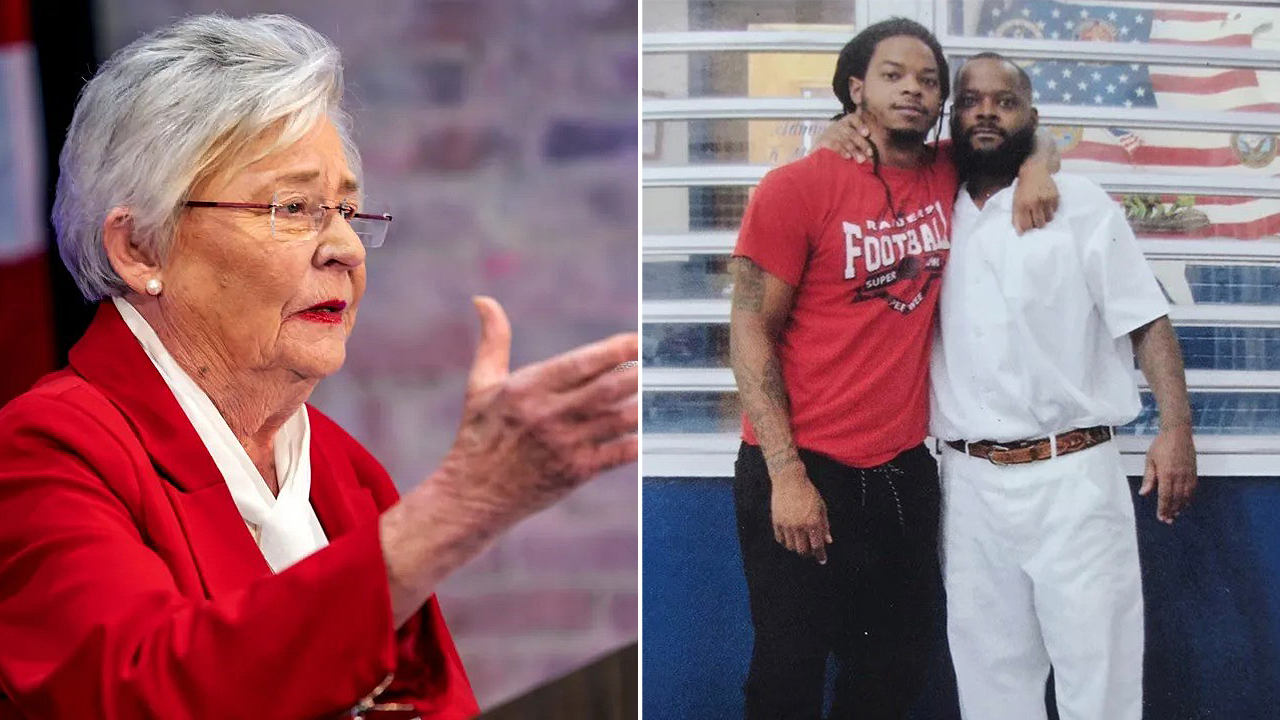
Alabama Gov. Kay Ivey, a Republican, has reduced the death sentence of an Alabama inmate after the sitting Jefferson County district attorney, along with former judges and prosecutors, questioned the reliability of his conviction.
Ivey announced Tuesday that Toforest Johnson’s punishment would be changed to life in prison without the possibility of parole. Johnson has consistently declared that he did not commit the 1995 killing of Jefferson County Deputy Sheriff William Hardy and remains imprisoned at Holman Correctional Facility.
“After reviewing Mr. Johnson’s case, I was not convinced that the direct evidence was sufficient to impose the ultimate punishment of death,” Ivey said. “This commutation does not establish that he is innocent. It reflects my conclusion that the circumstances warrant a sentence of life without parole rather than execution.”
Since taking office in 2017, Ivey has commuted three death sentences and presided over 27 executions. Her time as governor will conclude in January because she is barred by term limits from seeking another term.
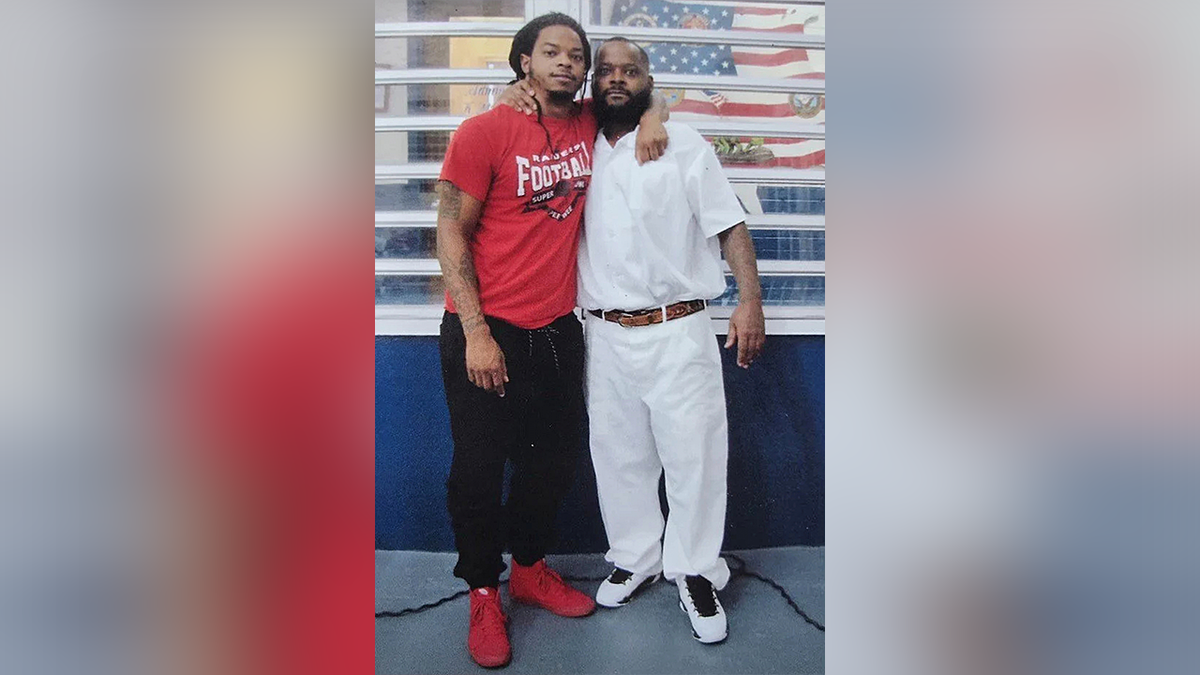
Toforest Johnson (right) is pictured with his son, Robby Foster. (Johnson Family via AP)
The decision came despite Alabama Attorney General Steve Marshall’s appeal to Ivey last week. Marshall urged her to deny clemency and uphold both the jury’s verdict and the decisions issued by courts that have reviewed the case.
Hardy was working an off-duty security assignment outside a Birmingham hotel on July 19, 1995, when he was shot twice in the head. Johnson has said he was across town at the time of the attack.
Ty Alper, one of Johnson’s attorneys, thanked Ivey for conducting what he called a careful review and for taking steps to prevent an innocent man from being executed. Still, Alper said the defense will continue seeking to have Johnson’s conviction overturned.
“Toforest Johnson is innocent,” Alper said. “The courts must now overturn his conviction and order a new trial. We will continue pursuing the case until he can return home to his family.”
IN CASE YOU MISSED IT: Polymarket Removes Bet on Cornell Rape Allegations After Backlash
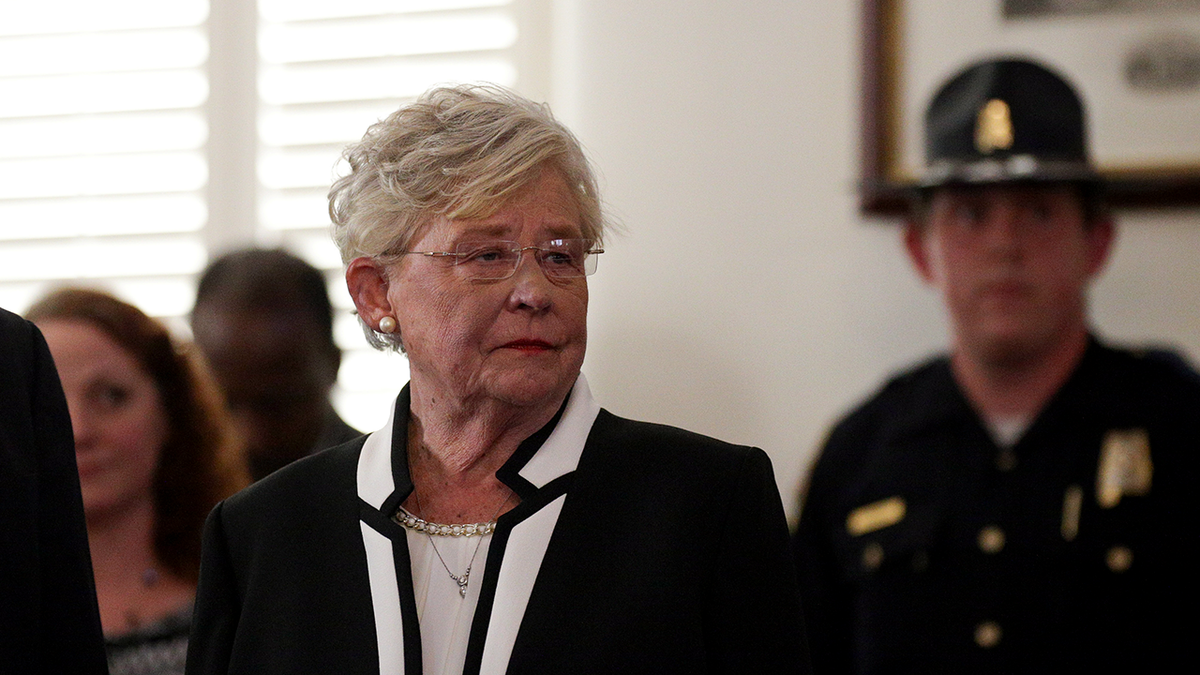
The governor is commuting Toforest Johnson’s death sentence to life without parole. (REUTERS/Marvin Gentry)
Johnson’s legal team has spent years seeking a new trial, a campaign that has drawn national attention and support from high-profile figures. Those backing the effort include the original prosecutor in the case and celebrities such as Kim Kardashian.
A number of former Alabama judges and prosecutors have also questioned the conviction. Among them are former Alabama Attorney General Bill Baxley, former state Supreme Court Chief Justices Sonny Hornsby and Drayton Nabers, and other legal officials who have filed briefs or publicly argued that Johnson deserves a new trial.
Jefferson County District Attorney Danny Carr, elected in 2018, is another prominent supporter of Johnson’s request. In a 2024 court filing, Carr wrote that “the evidence in this case has unraveled over 20 years.”
Carr said reliable alibi witnesses put Johnson somewhere else when Hardy was killed. He also cited several concerns involving the prosecution’s central witness, who claimed she overheard Johnson confess during a three-way phone call while secretly listening in.
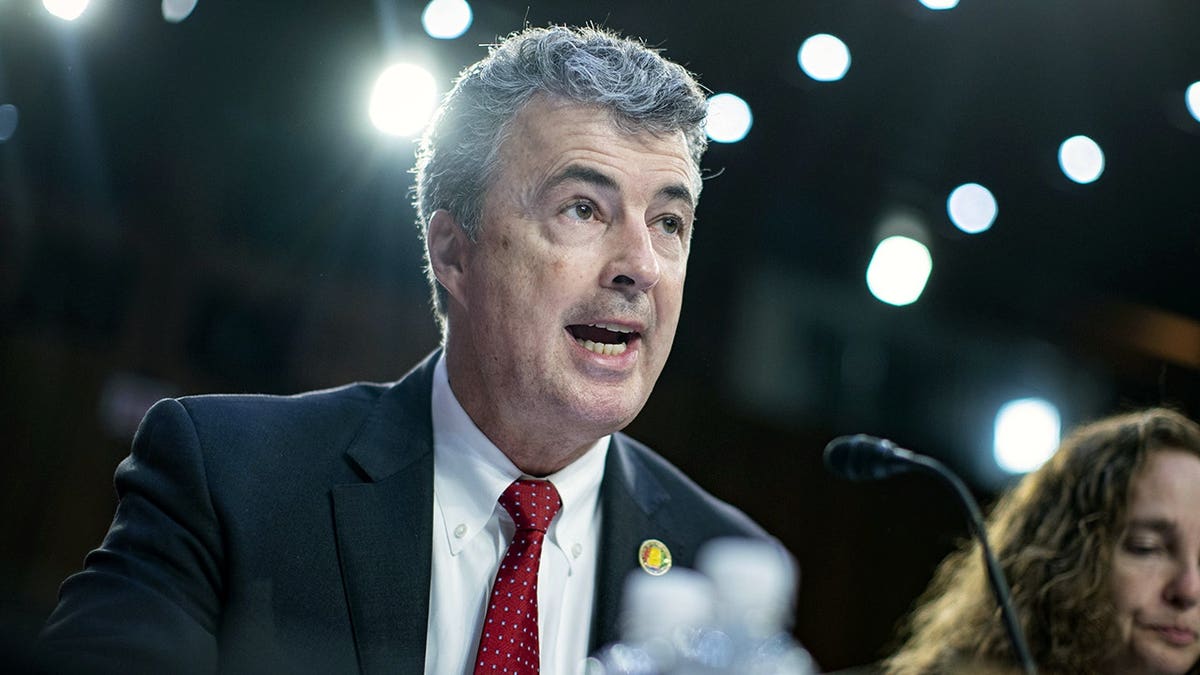
Alabama Attorney General Steve Marshall asked the governor to deny clemency and honor “the jury’s decision” along with the rulings of the courts. (Al Drago/Getty Images)
At Johnson’s 1998 trial, the woman testified that she had been listening to a phone conversation when she heard a man she believed to be Johnson acknowledge responsibility for the shooting.
In 2001, she received a $5,000 reward for information connected to the investigation.
Johnson’s attorneys contend that prosecutors failed to disclose evidence showing the witness had a financial incentive to testify.


